
Property and inheritance: how to handle the transaction properly?

When a person who owns a property dies, they bequeath their property to their heir(s); this is known as a property inheritance. The whole process is generally supervised by a notaire, whose role is to identify the heirs and carry out an inventory of the assets
Understanding the property inheritance process
When a person who owns a property dies, they bequeath their property to their heir(s); this is known as a property inheritance. The whole process is generally supervised by a notaire, whose role is to identify the heirs and carry out an inventory of the assets.
Unlike a gift, an inheritance only takes place after a person's death and cannot be made during their lifetime.
What are the key stages in the inheritance of a property ?
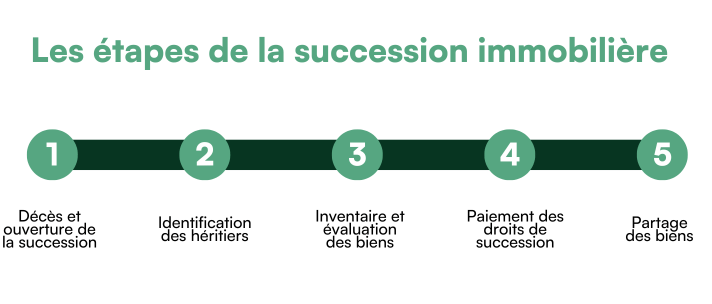
First of all, when a person dies, the succession opens automatically. Thus, an executor (or liquidator) will then have the role of protecting the heirs' interests and ensuring that the will is applied. In addition, a notaire is notified if necessary in order to carry out the administrative and legal formalities. Next, the heirs are identified and the notaire takes note of a will if one exists, or of a gift.
The inventory of the assets is carried out, including the properties, and a valuation is made in order to set their value in the succession. Following the settlement of the inheritance tax according to the family relationship and the settlement of any debts, it is now possible to carry out the division of the assets.
Finally, after completing the administrative steps and formalities, the succession is closed.
How is a property divided between heirs?
As regards the division of assets during a property inheritance, several scenarios are possible. This can be done amicably, in the form of an agreement between the heirs, or through the courts in the event of a disagreement.
If the heirs get along and reach an agreement concerning the distribution of the properties, it is then possible to carry out either:
- an allocation in kind : where the property is allocated to one or more heirs,
- a sale of the property : the proceeds of the sale being distributed among the heirs according to their shares.

In the event of a disagreement, it is up to a court to decide and to distribute the assets.
Furthermore, it is important to point out that it is entirely possible to refuse a property inheritance. This is called a renunciation of inheritance. There are several reasons that may lead heirs to refuse an inheritance, such as the deceased's debts, the excessive charges on the property, or a lack of interest in the property.
But be careful, renouncing is not partial ! During a succession, the heir can accept everything or refuse everything, debts and assets included.
And what happens if the property is occupied or let at the time of the inheritance ?
In the scenario of an inheritance in which the property is let, the rents go to the heirs. Indeed, the owner's death does not cancel the rental contract.
If it is an heir who occupies the property at the time of death, it is possible to reach an agreement between the various heirs, such as: a right of occupation or the payment of an occupation indemnity.
The importance of valuing a property during an inheritance
Would you like to know more about the valuation of an inherited property ? Indeed, this step makes it possible to determine the value of the property and thus to calculate the inheritance tax, but also the shares that the heirs will receive.
It is important to call on a professional to support you in these steps, such as an estate agent, a property valuation expert, or a notaire. In order to value the property at its fair value, several criteria will be taken into account, such as: the location, the general condition, the surface area and the current market prices.
The sale of a property by an heir and the importance of property diagnostics
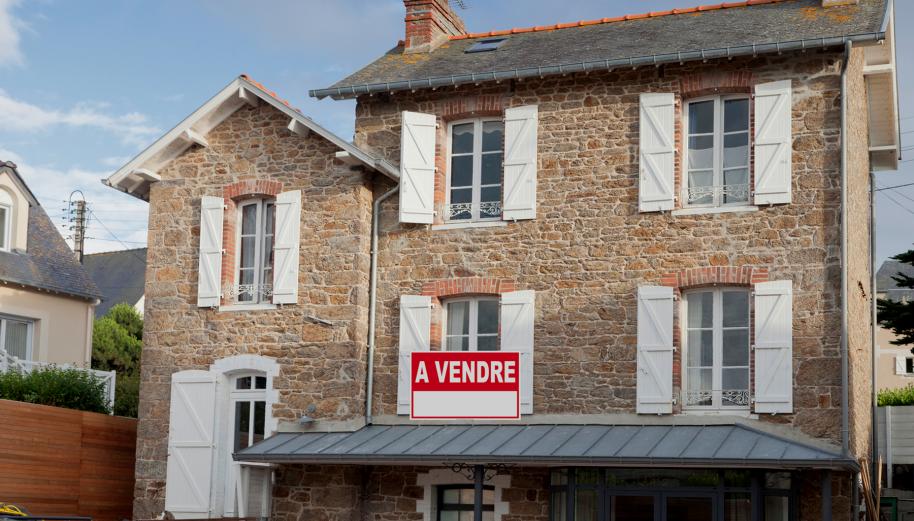
As heirs, if you choose to sell the property, there are a few rules to follow, in particular the carrying out of mandatory property diagnostics ! You will indeed need to provide the buyer with a Technical Diagnostic File (DDT).
What are the mandatory, required or recommended diagnostics ?
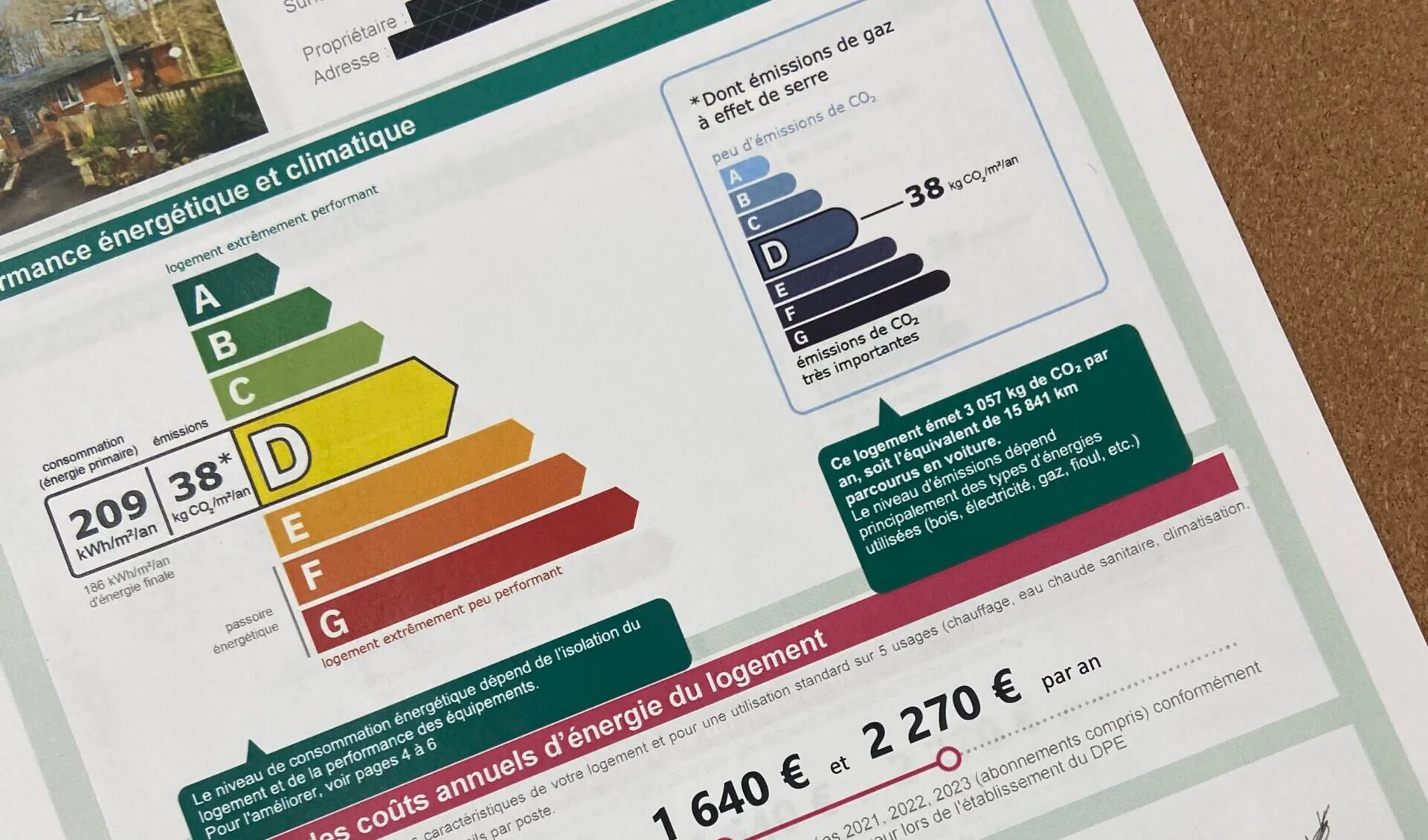
- Energy performance certificate
This diagnostic is mandatory whatever the year of construction of the property. It makes it possible to assess the property's energy consumption and greenhouse gas emissions and can be valid for 10 years without the carrying out of works that would modify the energy performance. - Regulatory audit
In the case of an F- or G-rated EPC
- Asbestos diagnostic
It is mandatory for properties with a building permit issued BEFORE 1st July 1997. In the absence of asbestos, it can be valid indefinitely. - Lead diagnostic (CREP – Lead Exposure Risk Assessment)
This is a mandatory diagnostic for dwellings built before 1st January 1949. Its validity is one year in the event of a sale, and unlimited in the absence of lead.
This step aims to inform the buyer of natural, mining, technological or seismic risks, for example. It is valid for 6 months.
- Electricity and gas diagnostic
If the property's electrical installation is more than 15 years old, they are mandatory and have a validity of 3 years.
It indicates the private floor area within a co-ownership and the areas with a ceiling height of at least 1.80 m.
- Noise Diagnostic
In the case where the property is located in an airport noise exposure zone.
This is a mandatory step if the dwelling is located in an area delimited by a prefectoral order, in particular regarding the presence of termites.
Are you looking for a trusted company to carry out the diagnostics for your property ? Contact RITMODiag now
For all your requests relating to property diagnostics services following a property inheritance, do not hesitate to contact us by telephone on 02 31 15 64 88 or by email at contact@ritmodiag.com.
We operate across several areas in Normandy and we would be delighted to offer you our services. Put your trust in the professionalism of our teams !
Related diagnostic
EPC (Energy Performance Certificate)
A property project? Get a quote for your diagnostics.
Related articles
Inheritance: everything you need to know about mandatory property surveys
When you inherit a property through a succession, many questions arise. Among them, those concerning property surveys often come up.
Read more →
Property, EPC, energy renovation: where do we stand?
Should you buy a property to renovate in 2026?
Read more →
The ERP: the survey you're bound to forget before your sale
Do you think you've planned everything for your property sale? The EPC has been approved, the asbestos survey is in the bag, the electrical survey too… And yet, chances are you're still missing an essential survey in your DDT (Technical Survey File).
Read more →