
The top 5 essential property diagnostics to secure your property purchase
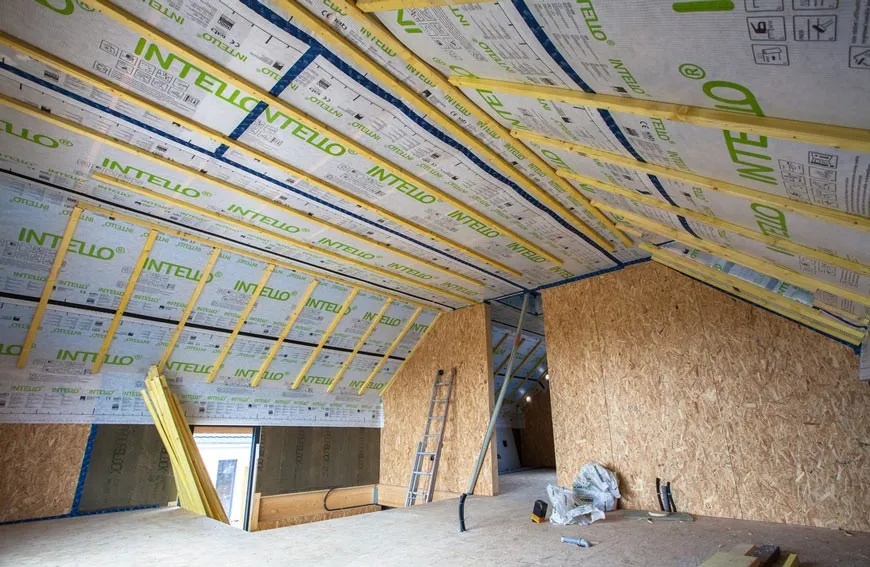
When it comes to investing in property, caution is essential. Property diagnostics are not merely a legal formality; they are essential when buying a property.
This article explores five crucial diagnostics that every buyer should consider in order to secure their property investment.
1. Energy Performance Certificate (EPC)
The Energy Performance Certificate (EPC) is crucial for understanding a property’s energy efficiency. This diagnostic measures the building’s energy consumption and environmental impact, providing an overview of the amount of energy used and greenhouse gas emissions. With scores ranging from A (very efficient) to G (very inefficient), the EPC helps buyers to anticipate future energy expenses and to assess any renovation investments needed to improve energy efficiency. Against a backdrop of global ecological awareness, this diagnostic has become a key decision-making criterion for many buyers who are mindful of their environmental impact.
2. Asbestos diagnostic
Asbestos, used extensively in construction until it was banned in 1997, can pose serious health risks if the materials containing it deteriorate. The asbestos diagnostic is therefore mandatory for all properties built before that date. It aims to identify the presence of asbestos-containing materials in order to ensure the safety of occupants. If detected, specific measures must be taken, ranging from simple monitoring to complete decontamination of the building. This diagnostic is crucial for avoiding dangerous exposure and protecting everyone’s health.
3. Electrical diagnostic
The electrical diagnostic assesses the condition and safety of the existing electrical installations in any property over 15 years old. A faulty installation can present major risks of accidents, particularly fires or electric shocks. This diagnostic makes it possible to detect anomalies that may require prompt intervention to ensure residents’ safety. It also informs the buyer about the general condition of the electrical installation, which is often costly to renovate.
4. Lead diagnostic
Lead in paint, used before 1949, is a major source of contamination and health risks, particularly for children. The lead diagnostic, or CREP (Constat de Risque d’Exposition au Plomb), is indispensable for detecting the presence of lead in paint and taking the necessary steps to make the environment safe. This diagnostic is essential for preventing the risk of lead poisoning, a serious form of poisoning caused by ingesting or inhaling lead dust.
5. Termite and other wood-boring insect diagnostic
Termites and other wood-boring insects can seriously compromise a property’s structural integrity by degrading wood and other cellulose-based materials. This diagnostic is particularly important in geographical areas likely to be infested. Identifying an infestation early can save a structure from irreversible damage and avoid extremely costly repairs.
Conclusion
Property diagnostics are a crucial step in the process of buying a property. They not only ensure compliance with the regulations in force, but also provide peace of mind by revealing any potential problem that could affect both the value of the investment and the occupants’ quality of life. Choosing qualified and certified professionals to carry out these diagnostics is therefore essential.
Related diagnostic
EPC (Energy Performance Certificate)
A property project? Get a quote for your diagnostics.
Related articles

Property, EPC, energy renovation: where do we stand?
Should you buy a property to renovate in 2026?
Read more →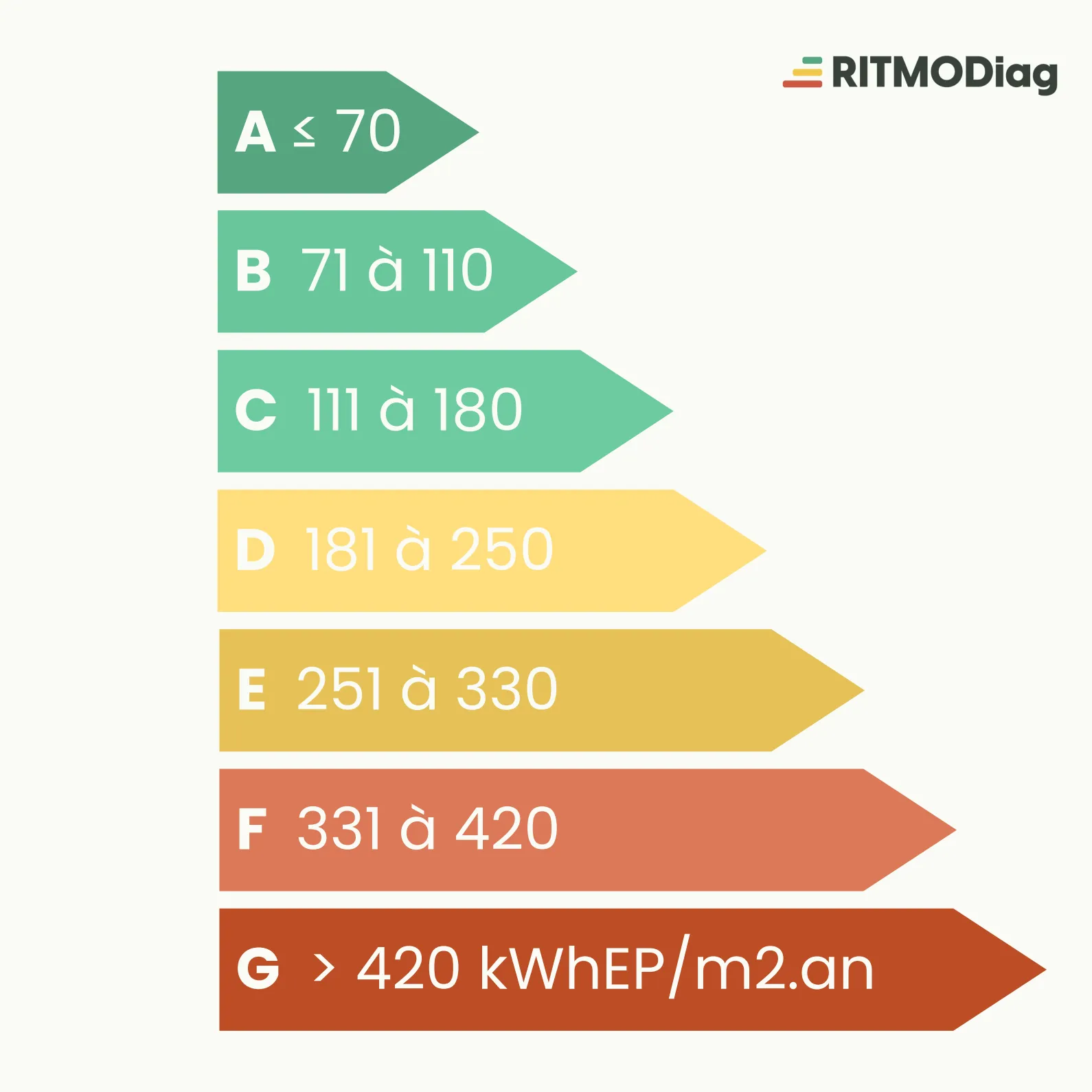
What should I look at on the EPC when buying a property?
Are you sure you haven’t overlooked a detail that could turn your fantastic property opportunity into a financial quagmire? Let’s go over together the key points you shouldn’t miss on an EPC.
Read more →
Property diagnostics in co-ownership: What owners need to know in 2024
Do you own a property managed under co-ownership? We break down the new 2024 regulations with you.
Read more →