
What should I look at on the EPC when buying a property?
Are you sure you haven’t overlooked a detail that could turn your fantastic property opportunity into a financial quagmire? Let’s go over together the key points you shouldn’t miss on an EPC.
This document provides crucial information about the property’s energy efficiency, which can affect not only your comfort but also your long-term energy bills and the environmental impact of your future home. In this article, we will explain how to read an EPC, which elements to pay particular attention to and how to interpret the information it contains. Find out more about EPCs by visiting our dedicated page.
First of all, what is the EPC?
The Energy Performance Certificate (EPC) is an indicator that assesses the energy performance of a building or home.
It is mandatory for any sale or letting of property in France and must be provided by the seller or the landlord.
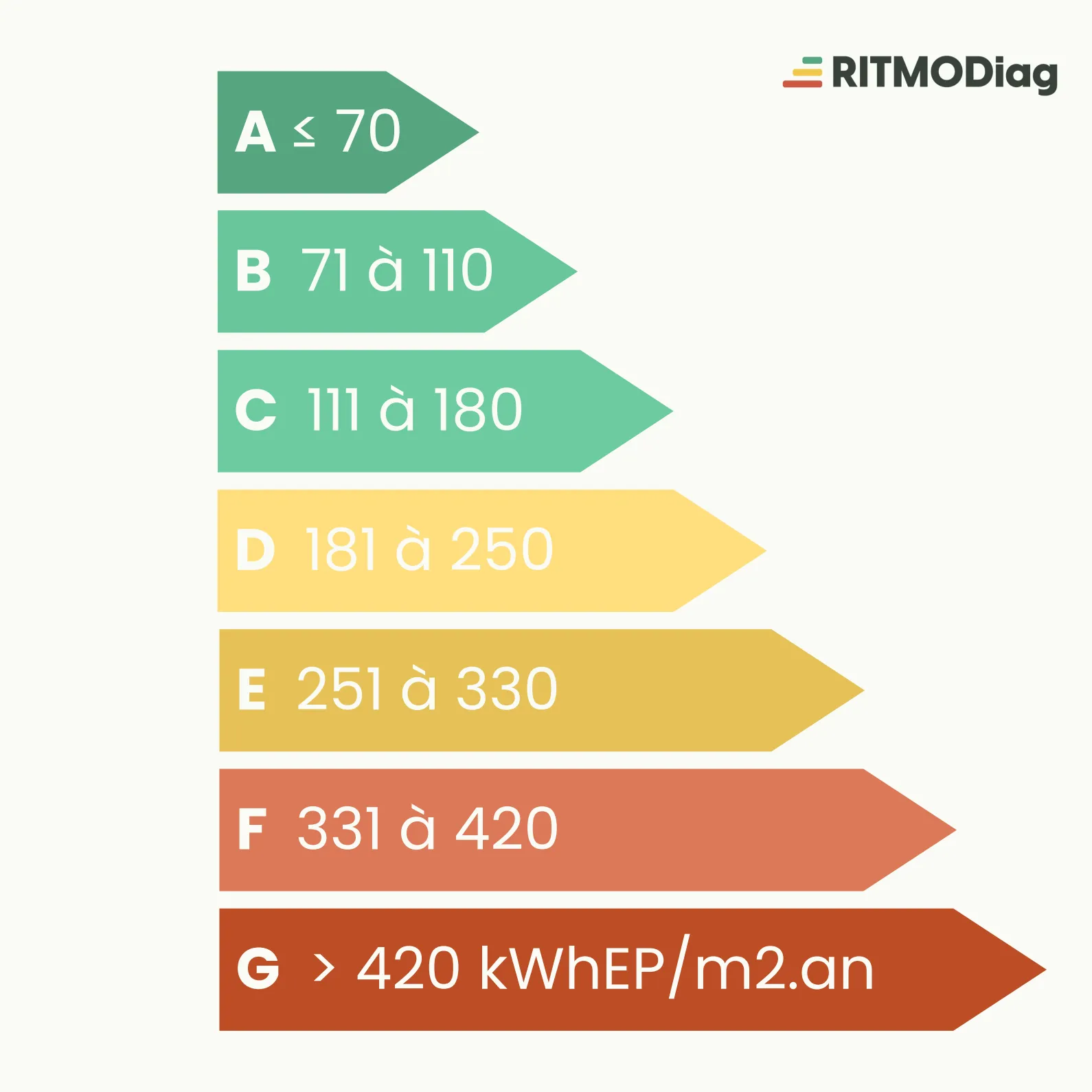
The EPC includes information on energy consumption and greenhouse gas emissions, classifying the property in categories ranging from A (very efficient) to G (poorly performing).
How to read the EPC?
1. The energy and climate labels
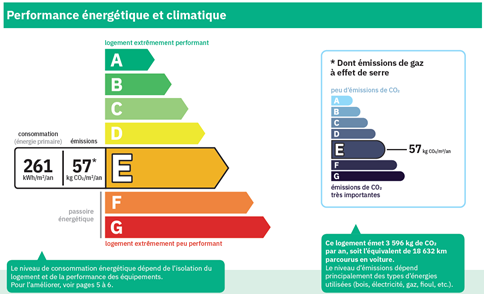
The EPC features two labels: the energy label, which measures the property’s energy consumption in kilowatt-hours per square metre per year (kWh/m².year), and the climate label, which indicates the amount of greenhouse gases emitted per square metre per year (kg CO2/m².year).
A property rated A on the energy label is very energy-efficient, whereas a property rated G is very energy-hungry. Want to become an expert on labels and what they hide? We have an article dedicated to reading Energy Performance Certificate labels!
2. The equipment assessed
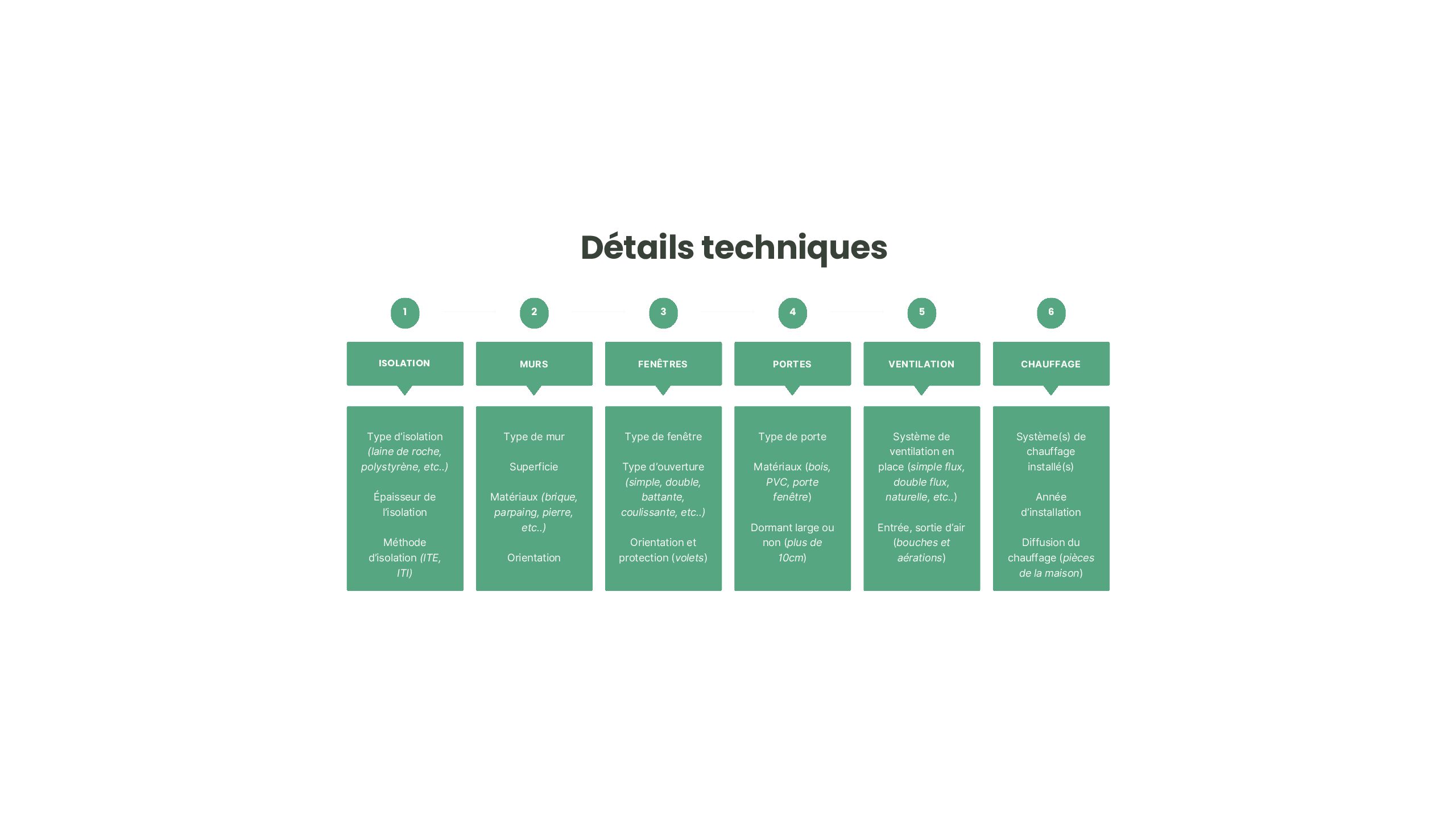
The EPC takes into account various features of the home such as the heating system, insulation, the presence of double glazing, etc. These elements are essential to understanding why a home performs better or worse.
3. Energy consumption
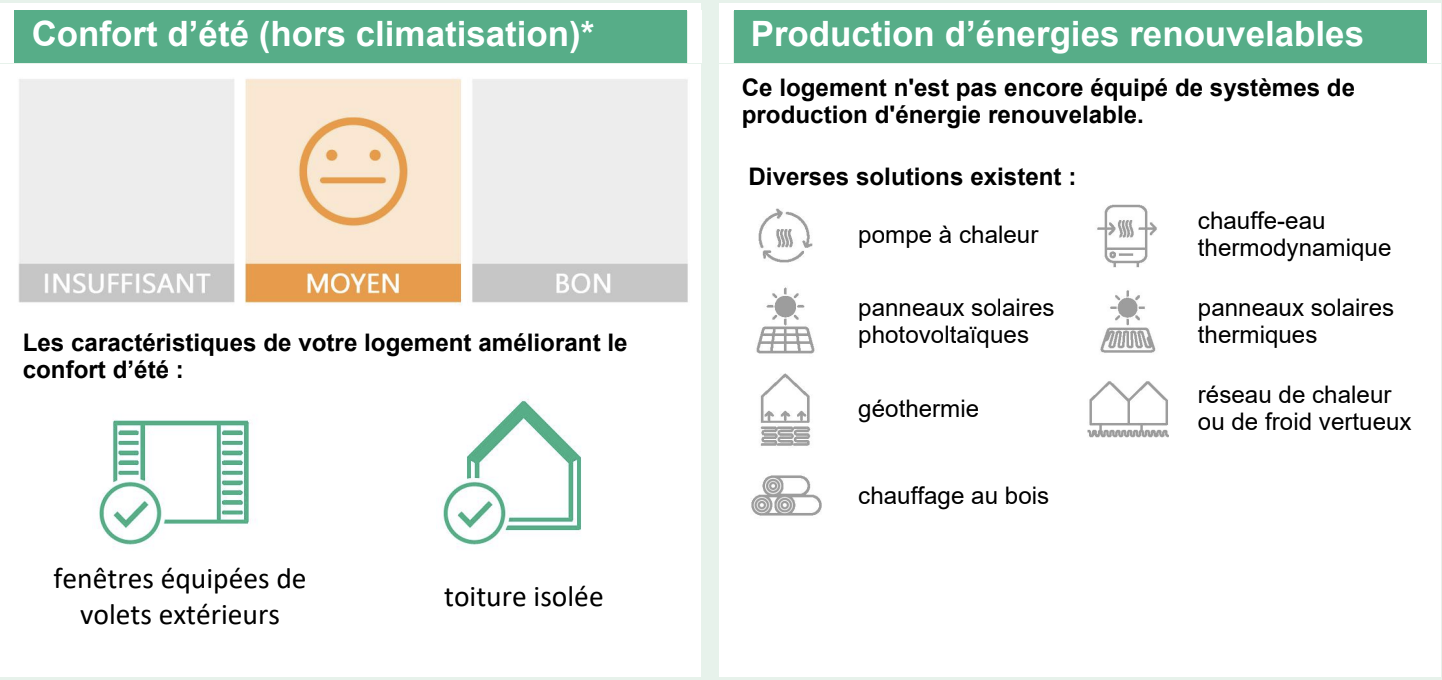
An important section of the EPC is the one that summarises overall energy consumption. It is presented as a graph or a table and indicates the expected annual consumption for heating, domestic hot water and sometimes cooling. Understanding these figures can help you anticipate the running costs of the home.
The importance of the year of construction
The building’s year of construction can also influence its energy rating. Construction standards have evolved, notably with the thermal regulations (RT).
What to do if the EPC is unfavourable?
If the EPC reveals that the property is poorly rated (F or G), this can be an opportunity to negotiate the purchase price. However, it also means that an energy audit is required in order to sell the property. Any questions about the energy audit? You can book an appointment directly with Thomas.
Conclusion
The EPC is an essential tool for assessing a property’s energy efficiency. By taking the time to understand and analyse this document, you can make more informed choices when buying a property, which will allow you to reduce your future costs and increase your quality of life. For any further information or detailed assistance, our team of experts is at your disposal on our website.
By informing yourself properly and using resources like those available on our website, you can make well-informed decisions that will contribute to your long-term satisfaction.
Related diagnostic
EPC (Energy Performance Certificate)
A property project? Get a quote for your diagnostics.
Related articles

Property, EPC, energy renovation: where do we stand?
Should you buy a property to renovate in 2026?
Read more →
Understanding the importance of the EPC when buying a property
Buying a property often represents one of the most significant investments for individuals.
Read more →
The ERP: the survey you're bound to forget before your sale
Do you think you've planned everything for your property sale? The EPC has been approved, the asbestos survey is in the bag, the electrical survey too… And yet, chances are you're still missing an essential survey in your DDT (Technical Survey File).
Read more →