
EPC reform: the new fair assessment for small properties
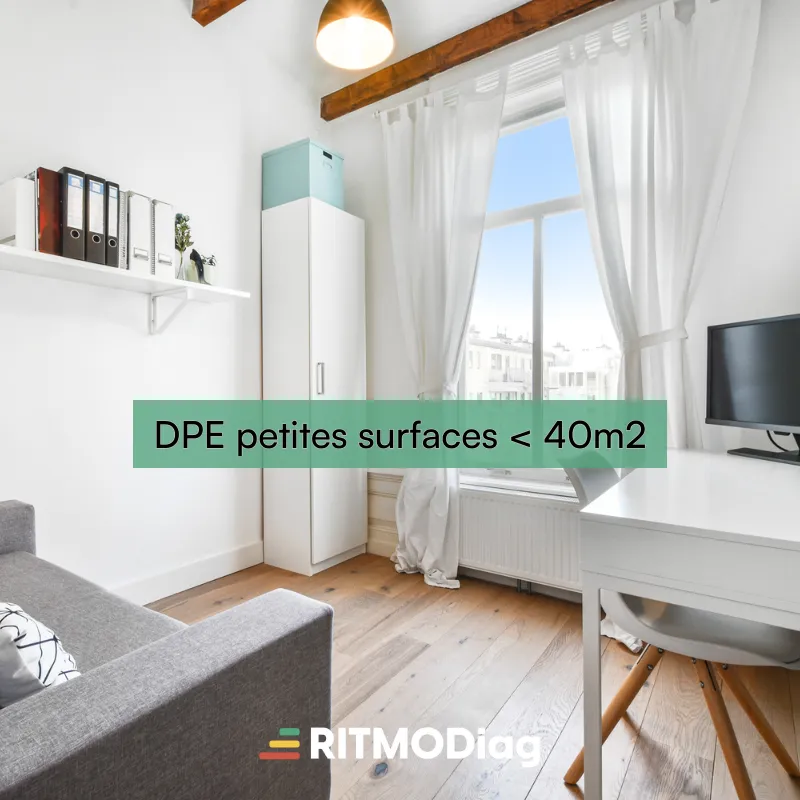
The Energy Performance Certificate (EPC) is a crucial tool for assessing the energy consumption and environmental impact of homes in France.
The Energy Performance Certificate (EPC) is a crucial tool for assessing the energy consumption and environmental impact of homes in France. Since its introduction in 2006, the EPC has become an essential indicator for owners, tenants and prospective buyers. However, a notable gap in this system has emerged regarding small properties, namely homes of less than 40 m². In response to this issue, the Ministry for Ecological Transition and Territorial Cohesion has announced a reform aimed at making EPC ratings fairer for these homes.
The importance of the EPC and the challenges for small properties
The EPC assesses the energy performance of a home by awarding a rating ranging from A (very efficient) to G (poorly performing). This assessment is crucial because it influences the decisions of buyers and tenants, while encouraging owners to improve the energy efficiency of their properties. Since 2021, displaying the EPC has been mandatory for all homes offered for sale or rent.
However, small properties have often been penalised by this system. Energy consumption is expressed per unit of surface area (m²), which means that small properties, having domestic hot water needs similar to those of larger properties, often end up with higher energy consumption per m². This leads to less favourable EPCs, negatively affecting the owners of these homes, who sometimes face difficulties in renting or selling their property.
The reform for a fair assessment
To address this unfairness, the ministry launched a consultation on a draft order aimed at adjusting the EPC thresholds for small properties. This reform came into force on 1 July 2024 and aims to guarantee a fairer and more equitable assessment of the energy performance of small homes. It affects around 11% of mainland France's housing stock.
The reform provides for several adjustments, in particular:
- Revision of EPC thresholds: The energy consumption thresholds for small properties are recalibrated to more accurately reflect their actual energy use, taking into account the specific features of these homes.
- New methodology: A new calculation method is introduced to better assess the energy consumption of small properties, thereby reducing unfair penalties linked to floor area.
- Revised energy ratings: From July 2024, owners of small properties will be able to obtain a certificate for a new energy rating, available here.
Impact and benefits of the reform
This reform offers several significant benefits for owners and tenants of small properties:
- Fairness: The new energy ratings more faithfully reflect the reality of energy consumption in small properties, ensuring a fairer assessment.
- Easier transactions: With revised EPCs, owners of small properties will have fewer difficulties renting or selling their properties, thereby stimulating the property market.
- Incentives to renovate: A fairer assessment will encourage owners to carry out an energy audit in order to undertake energy renovation work, contributing to the overall improvement of the housing stock.
The steps to follow
For owners affected by this reform, several steps should be followed:
- Familiarising yourself with the new criteria: It is essential to become familiar with the new EPC thresholds and the calculation methodology.
- Obtaining the revised certificate: From 1 July 2024, owners will be able to download their new energy rating via the ADEME EPC-Audit Observatory using the number of their current EPC.
- Communicating with tenants and buyers: Inform prospective tenants and buyers of the new EPC assessments to ensure transparency and trust.
Conclusion
The EPC reform for small properties marks a significant step towards a fairer energy assessment. By adjusting the criteria to better reflect the specific features of small homes, the Ministry for Ecological Transition and Territorial Cohesion aims to correct the current disadvantages and promote better energy efficiency across the entire French housing stock. This long-awaited initiative will benefit both owners and tenants, while contributing to the overall objective of reducing energy consumption and greenhouse gas emissions.
For more information, you can consult the official page of the announcement on the website of the Ministry for Ecological Transition and Territorial Cohesion.
Related diagnostic
EPC (Energy Performance Certificate)
A property project? Get a quote for your diagnostics.
Related articles
Electricity coefficient in the EPC: what the shift from 1.9 to 1.7 will change in 2027
The electricity coefficient used in the French energy performance certificate (EPC) will drop from 1.9 to 1.7 on 1 January 2027. Here is an overview of the homes affected, the possible impact on the EPC rating and the steps to anticipate.
Read more →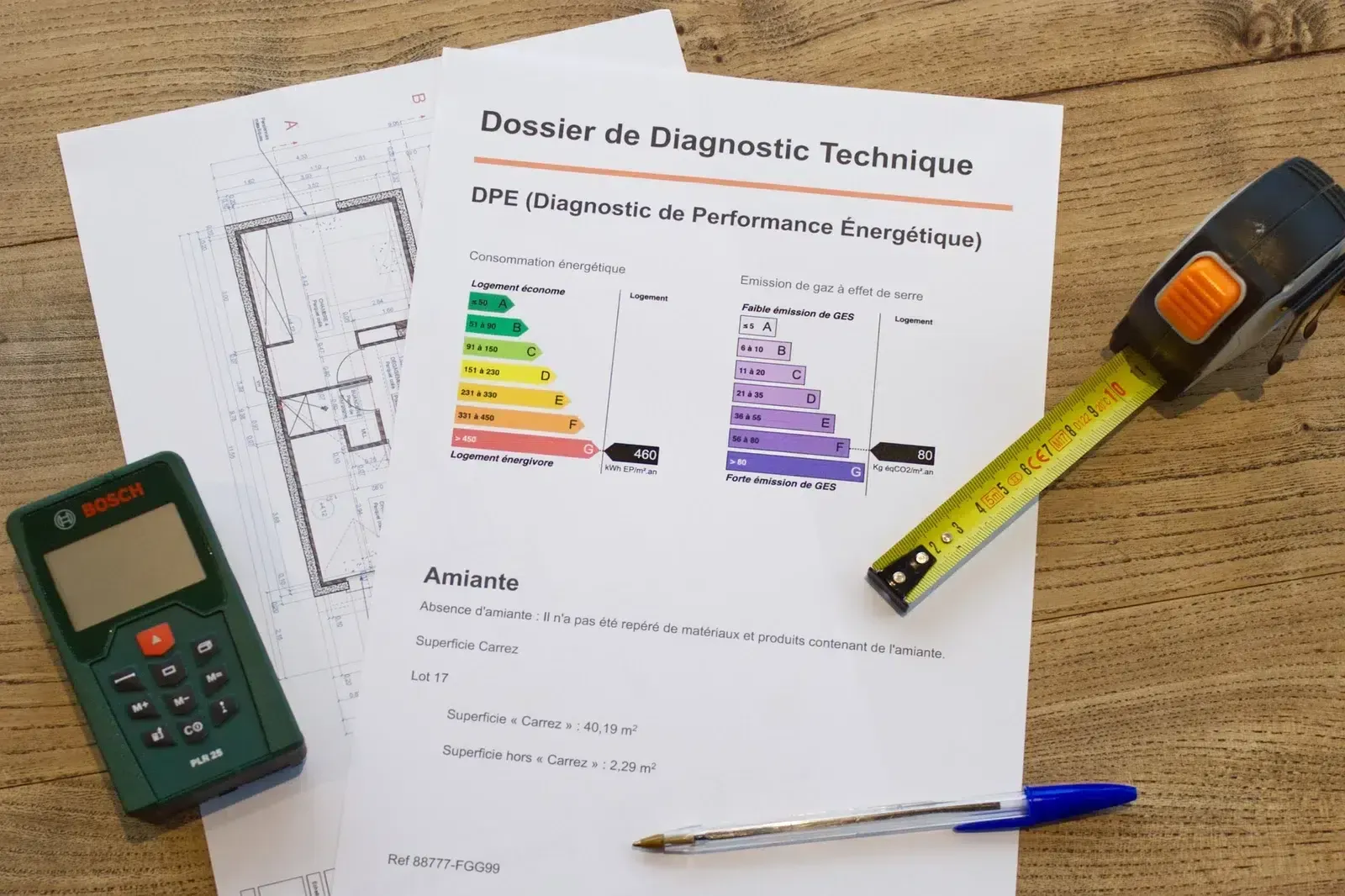
I use little energy but have a poor EPC – how is that possible?
Unfortunately, you are not the only ones facing this situation. To better understand this paradox between consumption and EPC rating, RITMODiag explains everything!
Read more →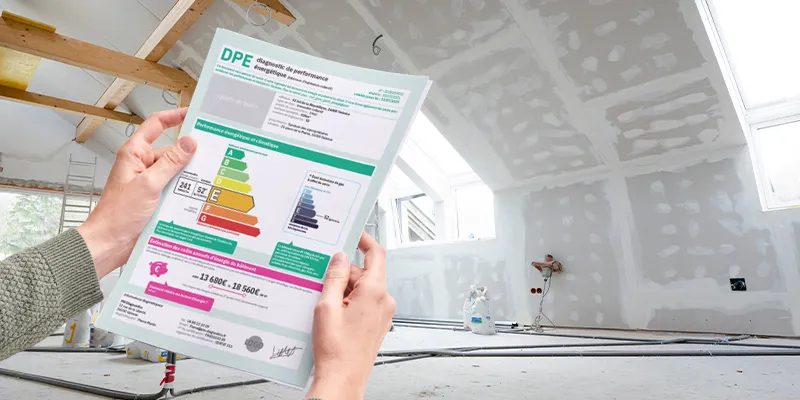
Change in 2026: the EPC electricity coefficient is evolving!
And this change begins with the revision of the electricity coefficient through a new reform coming into effect from 1 January 2026.
Read more →