
I use little energy but have a poor EPC – how is that possible?
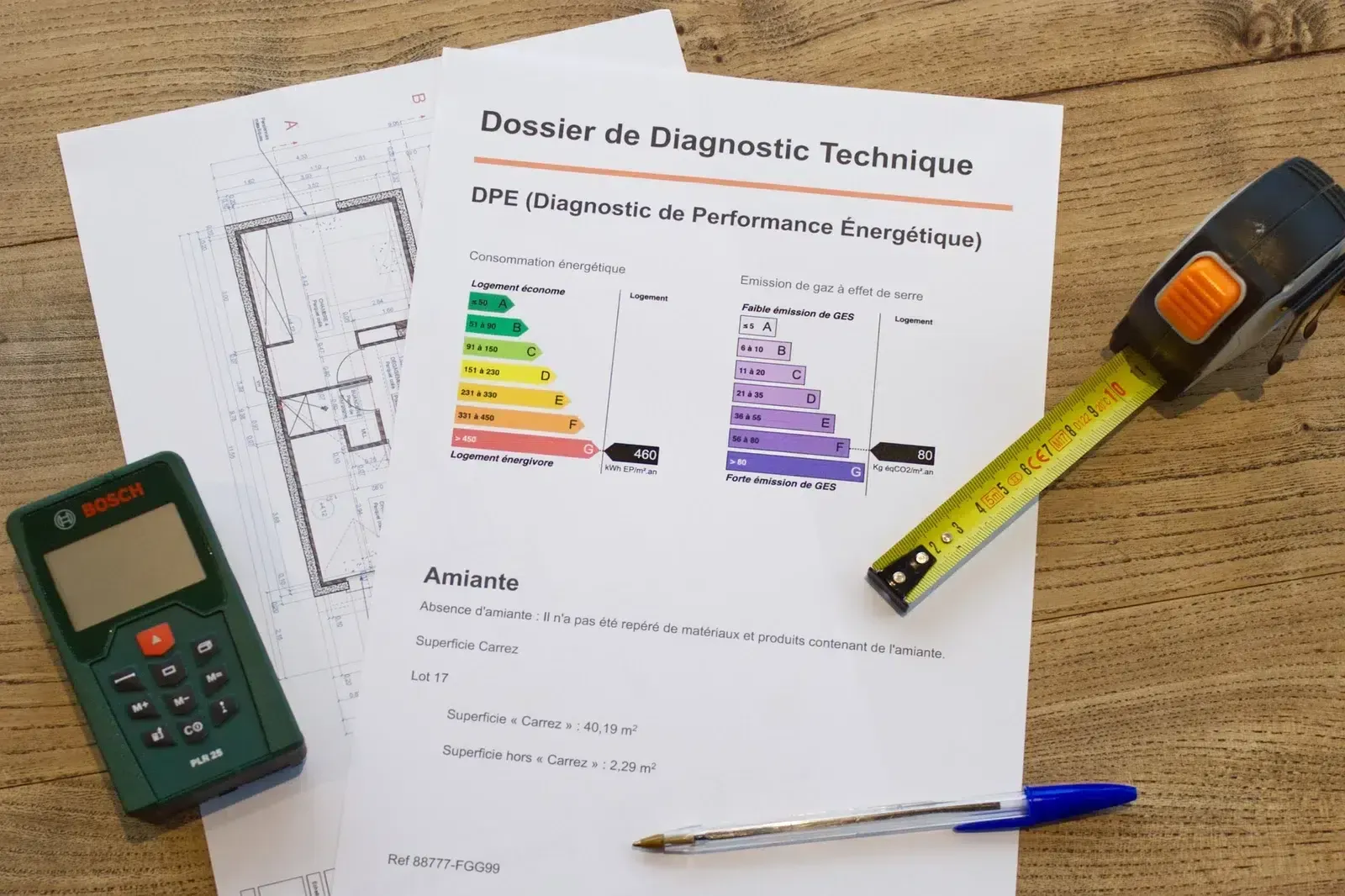
Unfortunately, you are not the only ones facing this situation. To better understand this paradox between consumption and EPC rating, RITMODiag explains everything!
There it is, you have received the result of your Energy Performance Certificate and the result is not what you expected: your home has an F or G label!
It comes as a complete surprise, all the more so since your energy bills are not very high.
Don’t confuse the EPC with actual consumption
To understand it all, you first need to know the very nature of the energy survey. We are not talking here about a record of bills, but rather an assessment of your property’s energy potential according to specific criteria.
Everything you need to know to understand the EPC
The Energy Performance Certificate is perhaps the best-known property survey. It is a mandatory document for any property transaction (sale or letting). This survey classifies homes on a scale from A, for the best-performing buildings in energy terms, to G for energy sieves.
The rating is assigned based on the results of two labels reflecting the energy performance and greenhouse gas emissions of the home.
⚠️ Did you think the EPC measured your personal energy consumption? This is one of the most widespread misconceptions.
The EPC is not based on your energy bills
Since a major reform dating from 1st July 2021, the calculation method based on energy bills has been abandoned. This method was changed because it relied heavily on the consumption and lifestyle habits of the occupants, rather than on the actual performance of the building.
The new EPC is now based on the physical and technical characteristics of the home.
As a result, the energy performance rating is assessed more objectively.
A standardised calculation method
The method now used is called the 3CL method (Conventional Calculation of Housing Consumption). To learn all about it, you can read our article “What is the 3CL method that determines the EPC rating? ”.
In short, it is a method that simulates the home’s theoretical consumption under “standardised” conditions of use. The surveyor will visit your property, collect data on the building and use certified calculation software to help accurately determine the building’s performance.
The various factors that influence the EPC
The Energy Performance Certificate calculation takes several elements into account:
- Insulation (wall, roof, floor, loft insulation, etc.),
- The type of heating and/or energy used: oil-fired, gas, heat pump installations, etc.,
- The joinery and glazing of your home: single or double glazing, old joinery, etc.,
- The ventilation system: for example, whether or not there is a heat-recovery (double-flow) mechanical ventilation unit
- The building’s year of construction,
All these elements put together make it possible to better determine your home’s energy performance and thus set a rating.
The possible limitations of the EPC
However, bear in mind that the EPC also has its limitations. Some of the data used for the calculation may be missing, thereby penalising the result. This is sometimes the case for older buildings.
In addition, the absence of works invoices or technical documents can also be detrimental! Always remember to keep the documents relating to the renovation works carried out on your property.
By having a certified professional surveyor carry out the work, you benefit from a genuine on-site assessment, knowledge of the regulations and technical specifics, and above all sound advice! You will therefore have a property survey that faithfully reflects the reality of the property.
The regulatory changes to the EPC
The regulatory framework of the EPC changes very regularly in order to best meet energy transition targets. The 2021 Climate and Resilience Act sets very clear foundations and brings into force measures to improve the housing stock in France in terms of energy performance.
The aim of the Climate and Resilience Act? To remove energy sieves from the property market!
The timetable of obligations concerning lettings is taking shape:
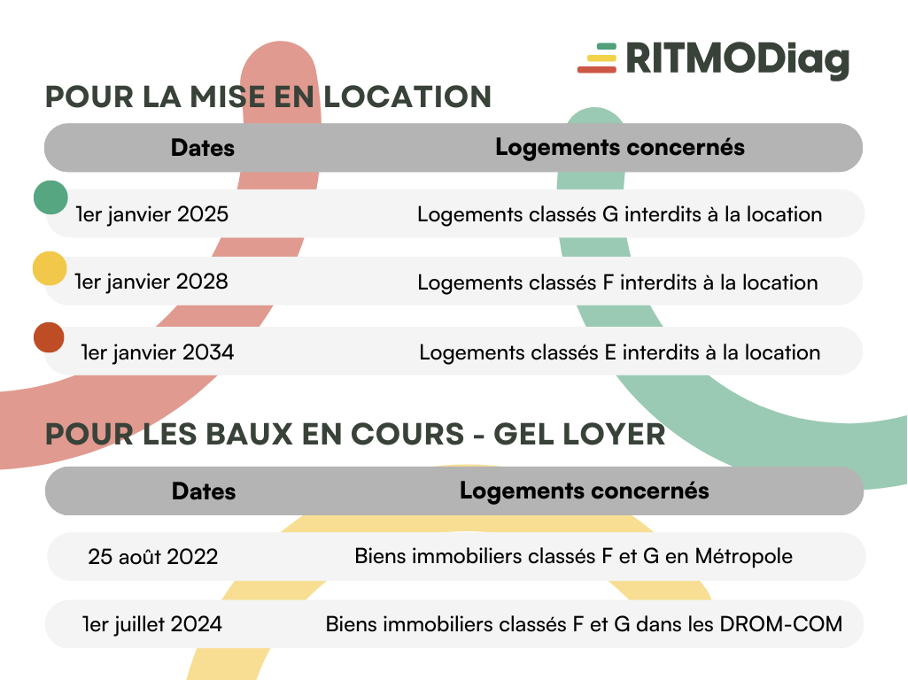
For sales, a supplementary energy audit has been mandatory since April 2023 for all detached houses rated F or G. This obligation will extend to homes rated E and then D in the years to come.
💡In 2024, a reform emerged concerning small properties of under 40m² to make the EPC assessment fairer for these homes. They were generally penalised by the calculation method used.
Why can a home that uses little energy have a poor EPC?
How can we explain this paradoxical situation faced by some consumers: low energy consumption but an EPC with a poor rating.
Poor insulation: perhaps the key to the problem
Insulation is the key factor that can explain it all. Let us explain!
🏠A home with poor insulation will require a greater amount of energy to be heated to a comfortable temperature. However, some occupants heat little or live in the property at a temperature below the EPC calculation standards. Actual consumption remains modest, but the insulation remains inadequate.
Note that poor insulation combined with a gas or oil-fired heating system can significantly lower your Energy Performance Certificate rating, as it takes greenhouse gas emissions into account.
The importance of the EPC and how to improve it
The Energy Performance Certificate is above all a tool to help you make decisions. It identifies your home’s strengths and weaknesses and suggests prioritised and costed energy renovation works.
Moreover, with the new reforms and regulations in force, it also helps to anticipate letting bans and to enhance the value of your property assets.
The works that really change the rating
Not all energy renovation works have the same impact on your EPC. It is essential to prioritise the work in order to make the most of your investment.
Misconception: changing your windows will give you a better EPC rating. That’s FALSE! We explain all of this in our article on this not-so-miraculous miracle solution.
Thermal insulation really is the most cost-effective action to carry out on your property. Loft insulation, roof insulation, wall insulation, and so on. As it happens, insulation is the subject of our next article!
Once you have dealt with the insulation issue, it is much easier to introduce other changes to your building: replacing the heating system, changing the joinery and glazing, and so on.
The recommendations included in your EPC will help guide your choices by suggesting works scenarios.
Understanding your EPC to better enhance your home’s value
The impact of the EPC on sale and letting
The Energy Performance Certificate directly influences a property’s market value. Today, energy performance is a key criterion in the sale or letting of a home. Buyers and tenants are increasingly aware of the importance of an energy-efficient home.
Beyond the role it plays for your property assets, carrying out an EPC also means getting ahead of the legislation that is just around the corner! With all the gradual bans we mentioned above, it is sometimes necessary to carry out energy renovation works to stay on the property market!
Remember to update your EPC after carrying out works
Don’t forget to carry out a new EPC after completing energy renovation works! It is essential to have your property re-rated, and you may well gain a few energy classes.
The new survey will be valid for 10 years and will allow you to showcase your property’s energy performance to future buyers or future tenants.
As we mentioned, don’t forget to carefully keep all the invoices and documents relating to your works in order to prove the changes made to your home. All these supporting documents will also allow the surveyor who visits your property to properly take into account all the improvements, even those that are not visible!
Take stock of your EPC with our certified surveyors!
Are you considering renovation works in your home? Do you want to carry out an EPC to find out your property’s energy class following the works?
RITMODiag provides you with experienced surveyors to support you in all your property survey needs.
Don’t wait for the deadlines to take action – anticipate and get ahead! Contact our advisers today if you have any questions at all.
Related diagnostic
EPC (Energy Performance Certificate)
A property project? Get a quote for your diagnostics.
Related articles
Electricity coefficient in the EPC: what the shift from 1.9 to 1.7 will change in 2027
The electricity coefficient used in the French energy performance certificate (EPC) will drop from 1.9 to 1.7 on 1 January 2027. Here is an overview of the homes affected, the possible impact on the EPC rating and the steps to anticipate.
Read more →
Change in 2026: the EPC electricity coefficient is evolving!
And this change begins with the revision of the electricity coefficient through a new reform coming into effect from 1 January 2026.
Read more →
Co-ownerships: the collective EPC mandatory since 2025
Since 1 January 2025, co-ownerships are required to have an up-to-date collective energy performance certificate (EPC). In this article, we help you fully understand what the collective EPC is and what is at stake with this new regulation.
Read more →