
Better understanding how property diagnostics are carried out
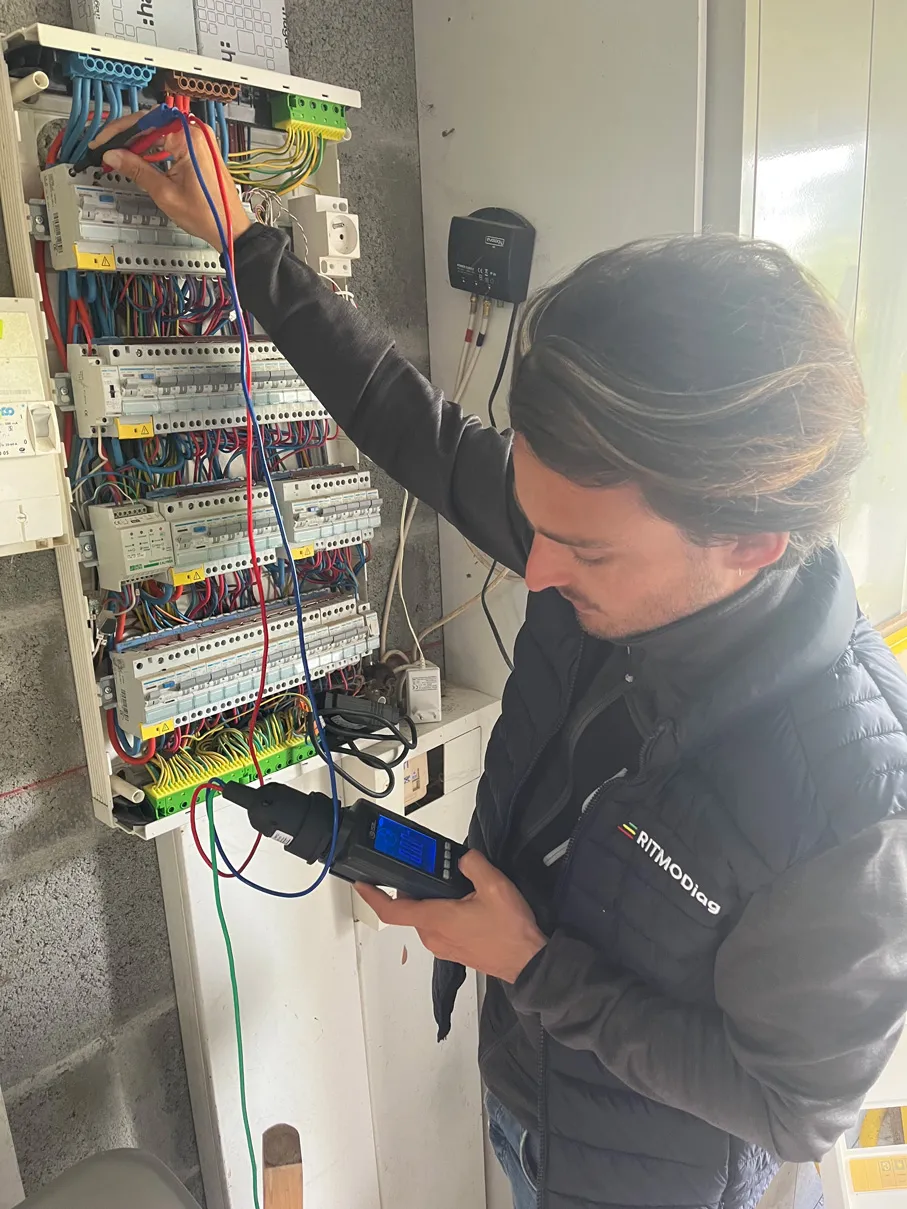
Here is an overview of the main techniques used by property diagnosticians to carry out these diagnostics.
Property diagnostics are crucial assessments carried out before the sale or rental of a property in France. They provide the buyer or tenant with information on the general condition of the property and help prevent risks to the health or safety of occupants. Here is an overview of the main techniques used by property diagnosticians to carry out these diagnostics.
1. Energy Performance Certificate (EPC)
The Energy Performance Certificate (EPC) assesses a home's energy consumption as well as its impact in terms of greenhouse gas emissions. Diagnosticians use several methods:
- Theoretical calculation: Based on the building's characteristics (type of construction, insulation, heating system, etc.), diagnosticians calculate theoretical energy consumption in kWh/m²/year.
- Use of specialised software: Certified calculation software makes it possible to model the property's energy performance. It takes into account the data collected on site and provides an energy rating (A to G) and a climate rating.
2. Asbestos diagnostic
The asbestos diagnostic consists of searching for the presence of asbestos in building materials. The techniques used include:
- Visual inspection: Diagnosticians visually inspect materials likely to contain asbestos.
- Sample collection: If suspect materials are identified, samples are taken and sent to a laboratory for analysis.
- Laboratory analysis: Transmission electron microscopy (TEM) or polarised light optical microscopy (PLM) techniques are used to detect the presence of asbestos fibres.
3. Lead diagnostic (CREP)
The Lead Exposure Risk Assessment (CREP) is mandatory for homes built before 1949. Diagnosticians use:
- XRF (X-Ray Fluorescence): A portable device emitting X-rays is used to detect the presence of lead in paints. This non-destructive technique provides immediate results.
- Sample collection and laboratory analysis: In some cases, paint samples are taken and analysed in a laboratory to confirm the presence of lead.
4. Gas diagnostic
The gas diagnostic concerns gas installations more than 15 years old. The main techniques are:
- Visual inspection: Inspection of installations and appliances to detect visible anomalies.
- Leak testing: Use of gas leak detectors to check the tightness of pipework and connections.
- Checking appliance operation: Verification of the proper functioning of gas appliances and the ventilation of the premises.
5. Electricity diagnostic
The electricity diagnostic concerns installations more than 15 years old. The techniques include:
- Visual inspection: Checking of electrical panels, sockets, switches and electrical equipment.
- Continuity and earth testing: Use of multimeters and testers to check the continuity of circuits and the earthing of installations.
- Checking of safety devices: Verification of the proper functioning of protective devices, such as residual current circuit breakers.
Conclusion
Property diagnosticians use a combination of visual techniques, sample collection, on-site testing and laboratory analysis to assess the condition of properties. These diagnostics are essential to guarantee the safety of occupants and the transparency of property transactions. By using specialised tools and rigorous methods, diagnosticians provide detailed reports that help owners, buyers and tenants make informed decisions.
Related diagnostic
EPC (Energy Performance Certificate)
A property project? Get a quote for your diagnostics.
Related articles
Electricity coefficient in the EPC: what the shift from 1.9 to 1.7 will change in 2027
The electricity coefficient used in the French energy performance certificate (EPC) will drop from 1.9 to 1.7 on 1 January 2027. Here is an overview of the homes affected, the possible impact on the EPC rating and the steps to anticipate.
Read more →
Heatwave: Immediate and lasting tips to keep your home cool
The thermometer is going haywire, the blazing sun beats down on the rooftops and the air becomes oppressive… The heatwave is well and truly here! Faced with heatwaves that are increasingly frequent and intense, turning your home into a haven of coolness has become more than an absolute priority.
Read more →
Asbestos survey: obligations, health risks and the cost of asbestos removal in 2026
Mandatory asbestos survey: who is concerned, what price, what risks? Regulations, cost of asbestos removal and expert advice in Normandy. A complete guide.
Read more →