
 By Tristan TORNATORE
Heatwave: Immediate and lasting tips to keep your home cool

The thermometer is going haywire, the blazing sun beats down on the rooftops and the air becomes oppressive… The heatwave is well and truly here! Faced with heatwaves that are increasingly frequent and intense, turning your home into a haven of coolness has become more than an absolute priority.
Don’t panic: to get through this summer with peace of mind, there are immediate habits to adopt starting today, as well as long-term solutions to make your thermal comfort last. Here is an overview of good practices for a cool summer.
Immediate reflexes: block the heat in its tracks!
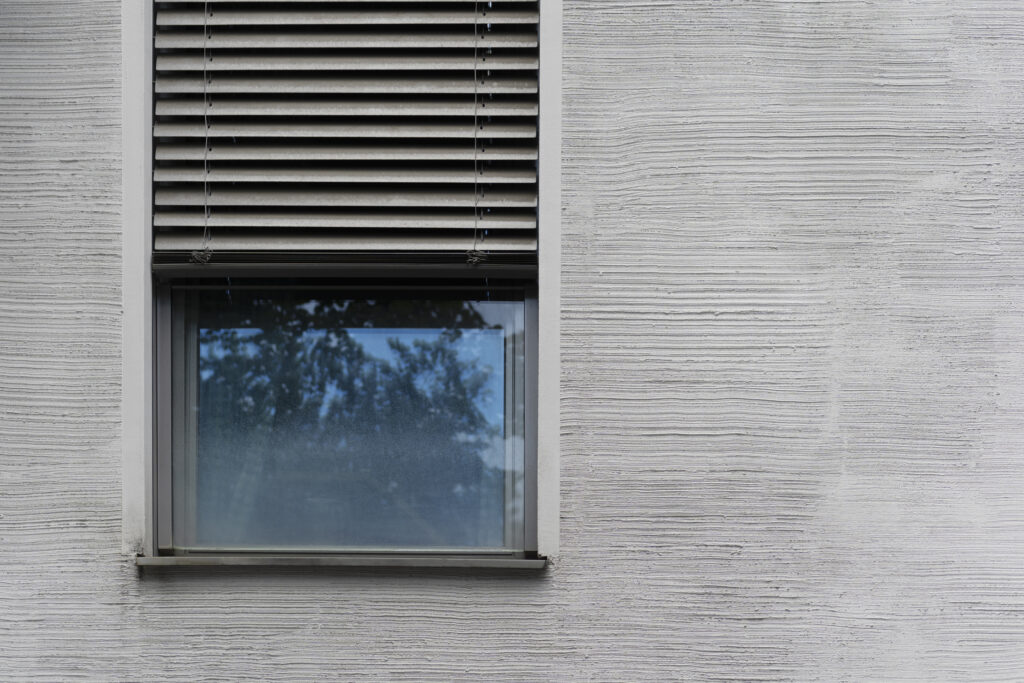
Manage your windows and shutters strategically
Your first line of defence against overheating is your openings. The watchword is simple: anticipate! Don’t wait until you’re sweltering to act. From mid-morning onwards, the outdoor heat rises sharply. Close your windows and shutters tightly before the sun starts to beat down directly on your panes.
Only reopen the windows once the outdoor thermometer drops back below the indoor temperature: during the night and in the very early morning, to create pleasant draughts.
No shutters? Get resourceful
If you live in a co-ownership and your façade is not fitted with exterior protections, install interior blinds. Although less effective than shutters (since the radiation already passes through the glazing), they still curb overheating.
- The choice of colours: Always go for light shades (white, yellow, pale orange) for your blinds, curtains or shutters. They reflect the sunlight instead of absorbing its heat.
- Emergency solution: During an extreme peak, fixing aluminium foil or a survival blanket to your windows (silver side facing outwards) will effectively block solar radiation.
💡 The express cooling tip: the wet sheet Hang a damp sheet or a large towel in front of your windows or right next to a fan (but never draped over it). As it evaporates, the water absorbs the heat from the air, instantly lowering the perceived temperature.
Maximise the efficiency of your equipment (without breaking the bank)
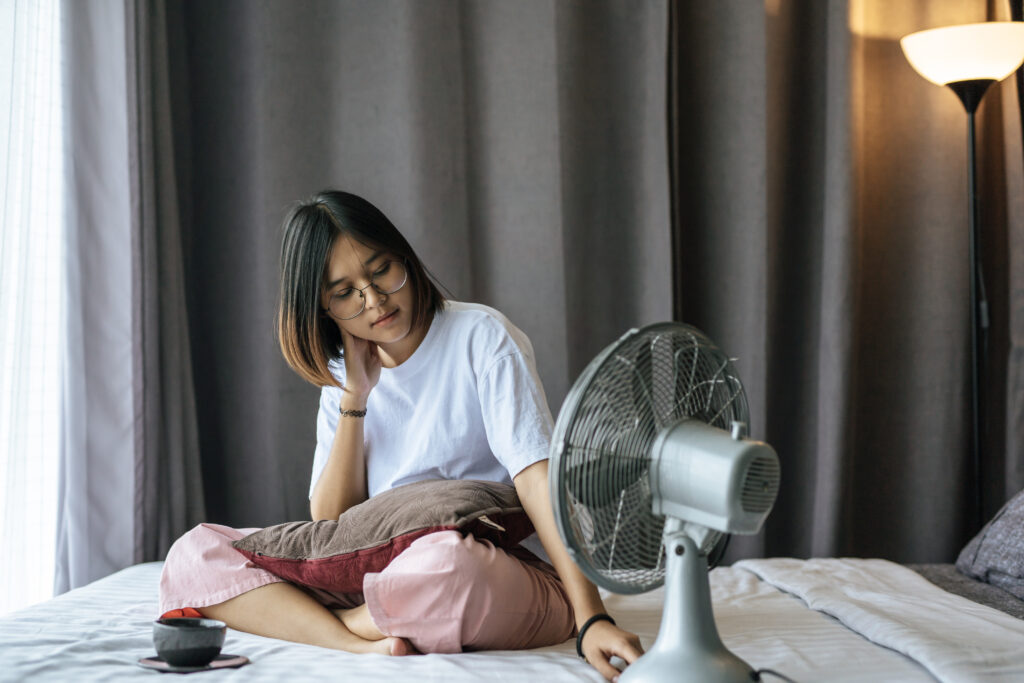
The fan: stir the air intelligently
A fan does not cool the surrounding air, it moves it. There is therefore no point leaving it running in an empty room: that would be a pure waste of energy! On the other hand, the airflow on your skin stimulates the evaporation of perspiration, providing an immediate sensation of coolness equivalent to a drop of 2 to 3 °C.
A ceiling fan, for its part, is even more pleasant and even than a portable model. Be careful before investing, however: to guarantee its effectiveness, it must be installed right in the centre of the room, and your ceiling height must be compatible with the appliance.
Beware of buying air conditioning in a hurry!
Faced with stifling heat, giving in to the impulse purchase of a portable air conditioner is often a false good idea. These appliances require leaving a window ajar to run the exhaust hose through, which lets hot air in continuously!
Very power-hungry and not very effective, a portable air conditioner is expensive: around €140 a year in electricity, compared with only €8 a year for a fan (source: CONSER survey, EDF R&D 2022). If you use air conditioning (ideally rated A+++ on the energy label), make sure all doors and windows are strictly closed to limit the impact on your bill and avoid noise nuisance for your neighbours.
Fittings and medium-term solutions

Harness the cooling power of plants
Nature is our best thermal ally thanks to the phenomenon of evapotranspiration: plants draw water from the soil and release it through their leaves as vapour, which captures the heat from the air and creates natural coolness.
- Outdoors: On your balcony or in your garden, plant deciduous vegetation in front of your exposed windows. It will provide you with precious shade all summer long without depriving you of sunlight in winter. Planting a hedge to the west also makes an excellent screen against the low afternoon rays.
- Indoors: Place decorative green plants in your most exposed living areas to create a naturally more breathable atmosphere.
Rethink your interior colours and materials
Light colours have the ability to reflect light. For your walls, favour soft, soothing shades (off-white, beige, pastels) and furniture with light finishes. Is your sofa keeping you too warm? Simply cover it with a light white cotton or linen sheet. Remember, too, to adapt your textiles as the seasons change: light cotton or linen in summer, velvet or wool in winter! In the long term, this logic of light shades also applies wonderfully to roof coverings (cool roofing).
The ultimate solution: insulation and thermal performance
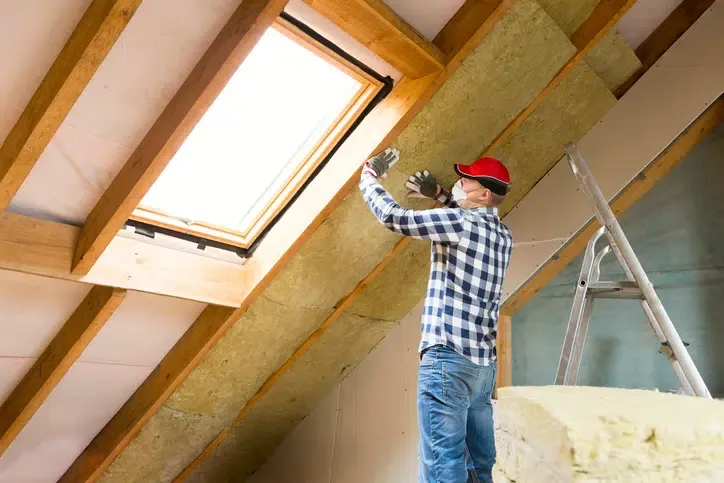
If your home turns into a real oven despite all these tips, the problem runs deeper. It is too often forgotten, but good insulation does not only serve to retain heat in winter: it also prevents heat from getting in during the summer! By drastically reducing thermal exchanges between the outside and the inside, insulation (of the loft and walls, combined with high-performance glazing) remains the only lasting solution in the face of climate change.
And your home, how does it handle summer comfort?
Since its latest overhaul, the EPC (Energy Performance Certificate) is no longer content with tracking your heating consumption in winter. It now includes a specific rating dedicated to summer comfort. This criterion assesses your home’s ability to withstand extreme heat without needing to resort to energy-hungry air conditioning.
Before investing in costly equipment or undertaking major works, take stock of the overall performance, insulation and thermal inertia of your property.
Carry out your EPC and assess your home’s summer comfort right now
Related diagnostic
Lead (CREP)
A property project? Get a quote for your diagnostics.
Related articles
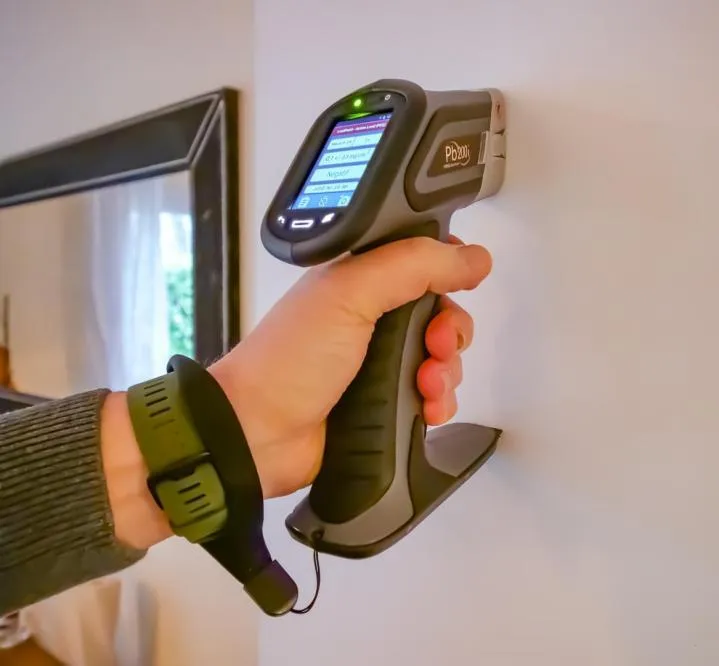
The dangers of lead in older homes despite regulatory developments
Although regulations on lead in property have evolved considerably in recent years, it remains essential to have a lead diagnostic carried out to prevent health risks and take care of the health of occupants and building professionals.
Read more →
Electricity coefficient in the EPC: what the shift from 1.9 to 1.7 will change in 2027
The electricity coefficient used in the French energy performance certificate (EPC) will drop from 1.9 to 1.7 on 1 January 2027. Here is an overview of the homes affected, the possible impact on the EPC rating and the steps to anticipate.
Read more →
Asbestos survey: obligations, health risks and the cost of asbestos removal in 2026
Mandatory asbestos survey: who is concerned, what price, what risks? Regulations, cost of asbestos removal and expert advice in Normandy. A complete guide.
Read more →