
Top 5 measures for improving your energy performance certificate
Welcome to our top 5 essential measures for optimising your energy performance certificate (EPC).
Welcome to our top 5 essential measures for optimising your energy performance certificate (EPC). As an essential tool in the transition towards more sustainable energy consumption, the EPC provides a precise analysis of a building's energy performance. However, to maximise its effectiveness, it is imperative to implement specific measures. In this top 5, we explain concrete strategies for improving your home's performance
1. Roofing and thermal insulation
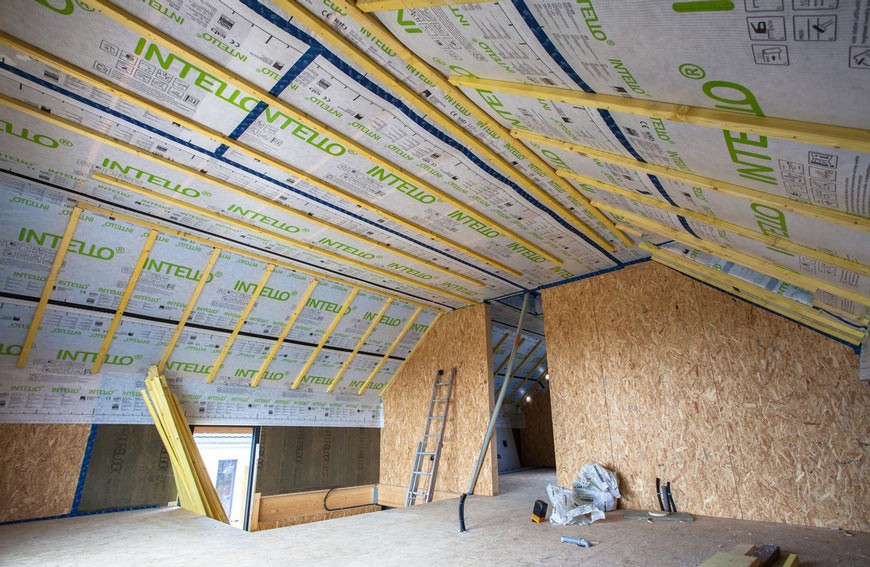
When it comes to measures for improving your energy performance certificate, the roof comes in first place. The condition of the roof is not limited to its primary function of protecting against the weather, but also extends to its role in conserving energy. A meticulous assessment is therefore necessary to identify potential weaknesses that could compromise its role as a thermal barrier.
This involves a thorough examination of the materials that make it up, whether tiles, slates, shingles or other coverings. Obvious signs of deterioration, such as cracks, missing tiles, or areas of water accumulation, must be identified. First of all, it is essential to check for potential leaks and infiltrations, as these problems can not only affect indoor comfort but also lead to significant energy losses.
Once the roof has been assessed, the next step is to identify possible improvements. Structural improvements, such as adding extra layers of insulation, are often the first to be considered. Owners can opt for a variety of insulating materials, each with its specific advantages.
Rock wool, for example, offers excellent thermal resistance while being non-combustible, which enhances fire safety. Cellulose wadding, made from recycled materials, is an environmentally friendly option while providing effective thermal insulation.
2. Heating sources
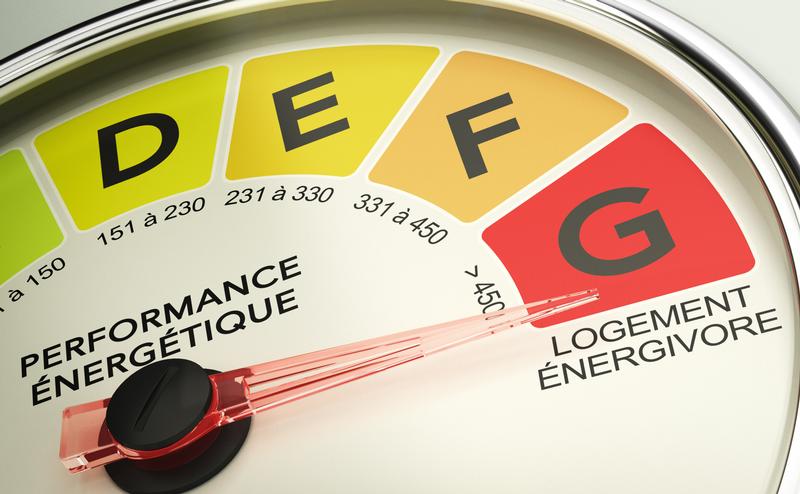
The second essential measure for perfecting the energy performance certificate focuses on heating sources.
Assessing the performance of existing heating systems must take several factors into account. The coefficient of performance (COP) for heat pumps, the seasonal efficiency for boilers, and the accuracy of thermostats are key indicators. It is crucial to analyse energy consumption in relation to heat production, as improving their efficiency allows a direct reduction in energy costs and carbon emissions.
The next step in improving the assessment is to explore more efficient and environmentally friendly alternatives. Heat pumps, for example, harness the energy present in the air, ground or water, offering a solution that is both economical and eco-friendly. By moving heat rather than producing it, they achieve remarkable levels of energy efficiency.
Condensing boilers represent another significant advance. By recovering the heat generated during combustion, these systems maximise the use of available energy, thereby reducing heat losses. Underfloor heating systems, less common but highly efficient, ensure a uniform distribution of heat, eliminating temperature variations between rooms.
3. Ventilation
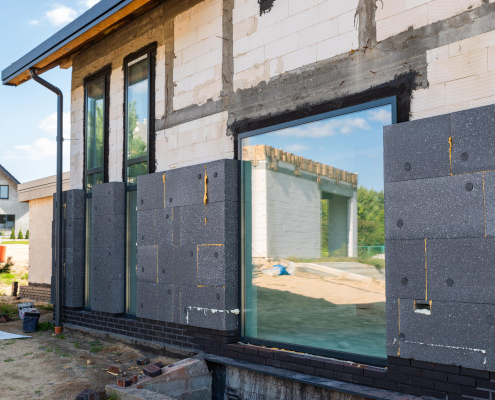
The third fundamental measure for improving the energy performance certificate focuses on ventilation. The study of existing ventilation goes beyond simply checking the devices in place; it assesses their effectiveness and their impact on indoor air quality. Ventilation, although often overlooked, plays an essential role in maintaining a healthy indoor environment by removing pollutants and renewing the air.
Ineffective ventilation can lead to a build-up of pollutants and compromise indoor air quality. As a result, poor ventilation can have direct repercussions on the health of occupants, causing respiratory problems, allergies, or even headaches.
It is also essential to consider the impact of ventilation on energy consumption. Poorly designed ventilation can lead to unnecessary heat losses, thereby increasing the building's energy load. Consequently, assessing the impact of existing ventilation on indoor air quality and energy consumption represents a key aspect of the assessment.
Dual-flow mechanical ventilation (VMC), for example, extracts air from damp areas such as the kitchen and bathroom, while introducing fresh air from outside. The heat recovery in this process makes it possible to preheat the incoming air, thereby reducing the load on heating systems. Intelligent ventilation systems, capable of adjusting according to real-time actual needs, can also be recommended to optimise the balance between indoor air quality and energy savings.
By highlighting the importance of ventilation and proposing suitable solutions, the energy performance certificate educates owners on the impact of ventilation on their comfort and well-being. It thus encourages the adoption of modern and efficient systems, transforming ventilation from a mere necessity into a key element of the overall strategy for energy optimisation and quality of life inside the home.
4. Joinery (windows and doors)
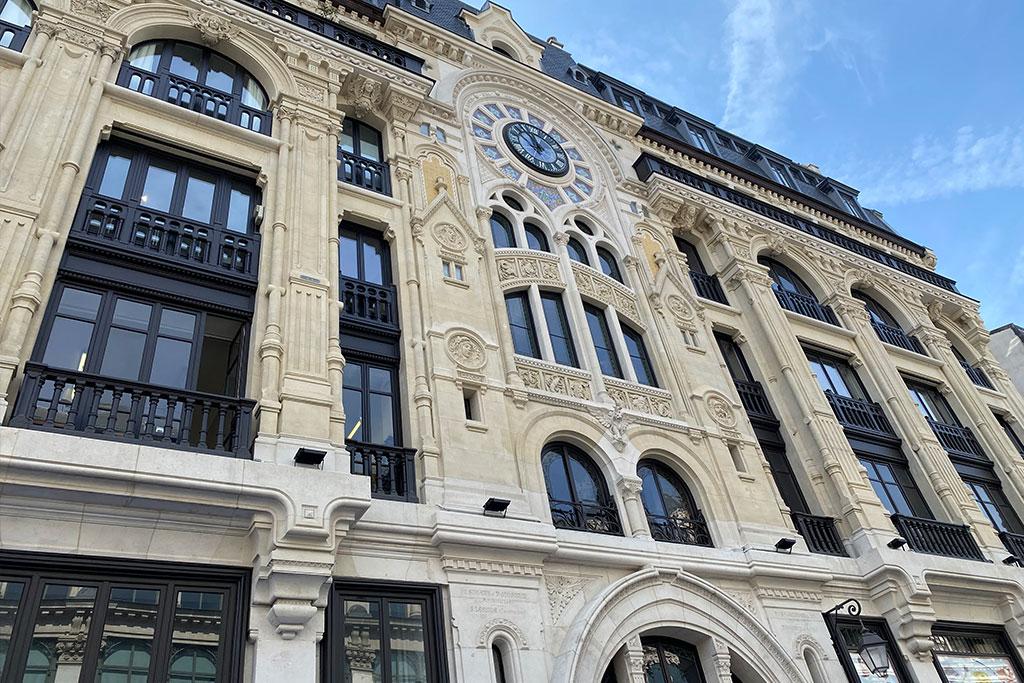
The fourth key measure for improving your energy performance certificate highlights the importance of joinery, namely the home's windows and doors. The inspection of current windows and doors aims above all to assess their performance in terms of thermal insulation. These openings, often considered sensitive points in the thermal envelope, are decisive elements for indoor comfort and energy conservation.
The examination of windows and doors focuses on several aspects. The quality of the frames, the presence of airtight seals, the performance of the glazing and resistance to air infiltration. The thermal insulation properties of the materials used in manufacturing the joinery are also studied, as they play a major role in the building's thermal regulation.
Among the suggested improvements is the installation of double-glazed windows, a solution for enhancing thermal insulation. These windows have two layers of glazing separated by a space of air or inert gas, thereby limiting heat transfer between the inside and outside.
The installation of enhanced-insulation windows or joinery made from high-performance materials, such as PVC, insulated wood, or thermal-break aluminium, is often recommended for better thermal resistance.
In short, the proposal of improvements for joinery is part of a proactive approach aimed at transforming these often overlooked elements into key components of the home's energy efficiency. By encouraging the adoption of more energy-efficient solutions, the assessment aims to create a robust thermal envelope, thereby reducing dependence on heating and air-conditioning systems.
5. Domestic hot water
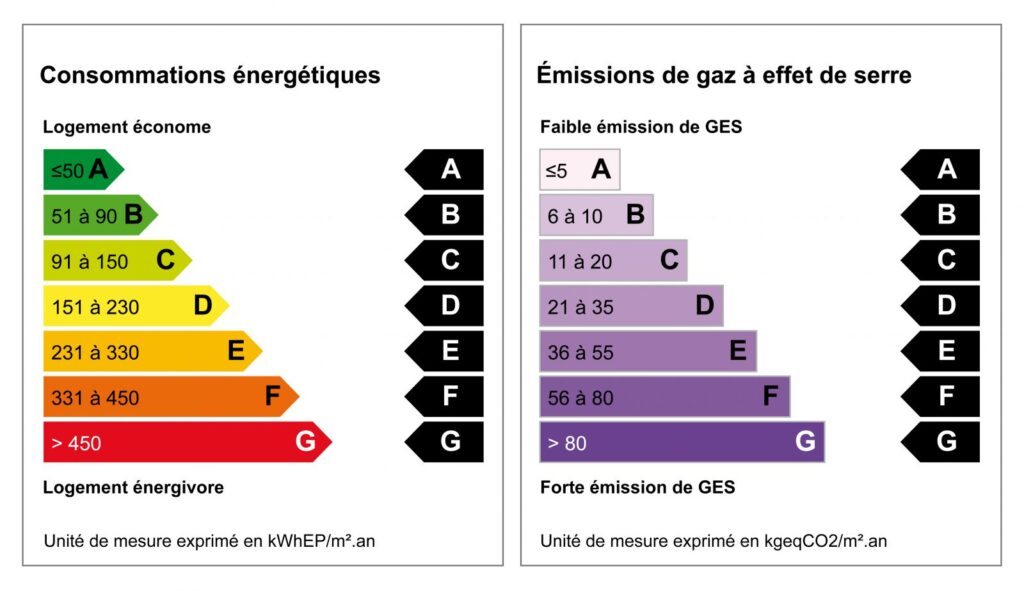
The fifth measure for perfecting the energy performance certificate focuses on domestic hot water production systems. An in-depth assessment of these systems is essential to understand their efficiency and their contribution to the home's overall energy consumption. Domestic hot water, often overlooked in the energy context, nevertheless plays a significant role in the occupants' daily comfort.
The examination of hot water production systems encompasses various technologies, from traditional water heaters to more innovative solutions. Parameters such as specific energy consumption, heating time, and the ability to meet peaks in demand are closely scrutinised. The assessment also takes into account any heat losses along the hot water distribution network, as these can considerably affect the system's efficiency.
Following the assessment, the energy performance certificate proposes targeted recommendations aimed at making domestic hot water production more energy-efficient.
Solar water heaters represent one of the most environmentally friendly options. These systems capture free solar energy to heat water, offering a sustainable and renewable solution. Their efficiency is particularly notable in regions that enjoy abundant sunshine.
Heat recovery systems are another interesting proposal. These devices capture the residual heat generated by other processes, such as mechanical ventilation or household appliances, to heat water. This minimises energy losses and contributes to a more efficient use of the heat produced in the home.
Thermodynamic water heaters are also worth considering. These systems work in a similar way to heat pumps, but are specifically designed for hot water production.
By integrating these innovative solutions, the energy performance certificate encourages owners to rethink domestic hot water production as an opportunity for energy savings. By highlighting more energy-efficient technologies, it contributes not only to reducing the energy bill but also to reducing the home's carbon footprint.
By adopting these recommendations, owners can not only improve their home's energy rating but also actively contribute to the transition towards a more sustainable use of energy.
Conclusion
By investing in these five measures, owners are not simply optimising their home's energy rating, but also actively contributing to reducing greenhouse gas emissions, thereby playing a part in the fight against climate change.
Ultimately, the Energy Performance Certificate, when it incorporates these measures, becomes far more than a simple report; it is a guide towards informed and sustainable energy management.
Related diagnostic
EPC (Energy Performance Certificate)
A property project? Get a quote for your diagnostics.
Related articles
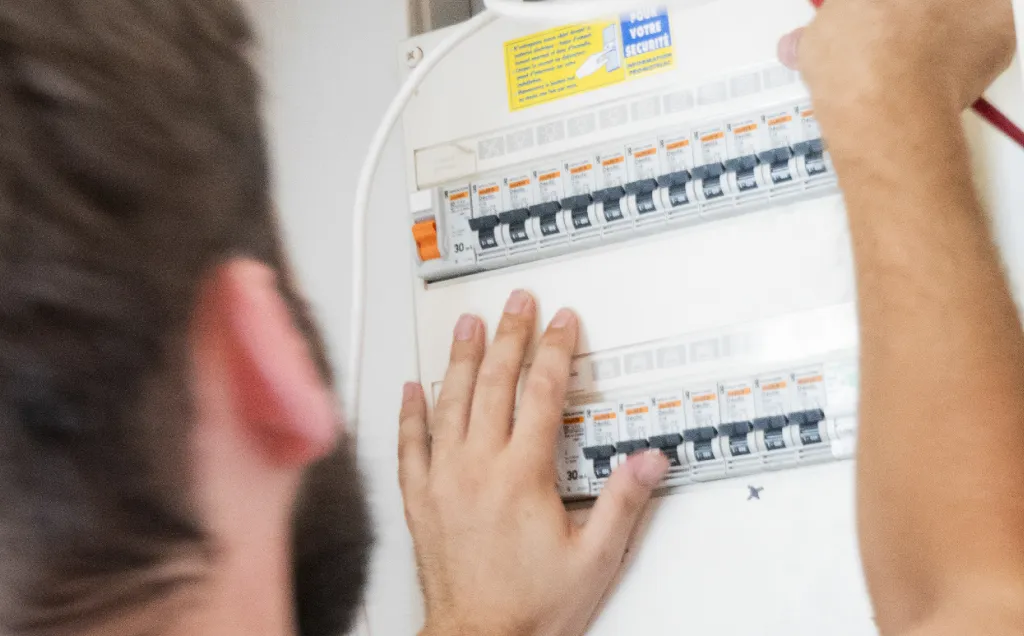
Electricity coefficient in the EPC: what the shift from 1.9 to 1.7 will change in 2027
The electricity coefficient used in the French energy performance certificate (EPC) will drop from 1.9 to 1.7 on 1 January 2027. Here is an overview of the homes affected, the possible impact on the EPC rating and the steps to anticipate.
Read more →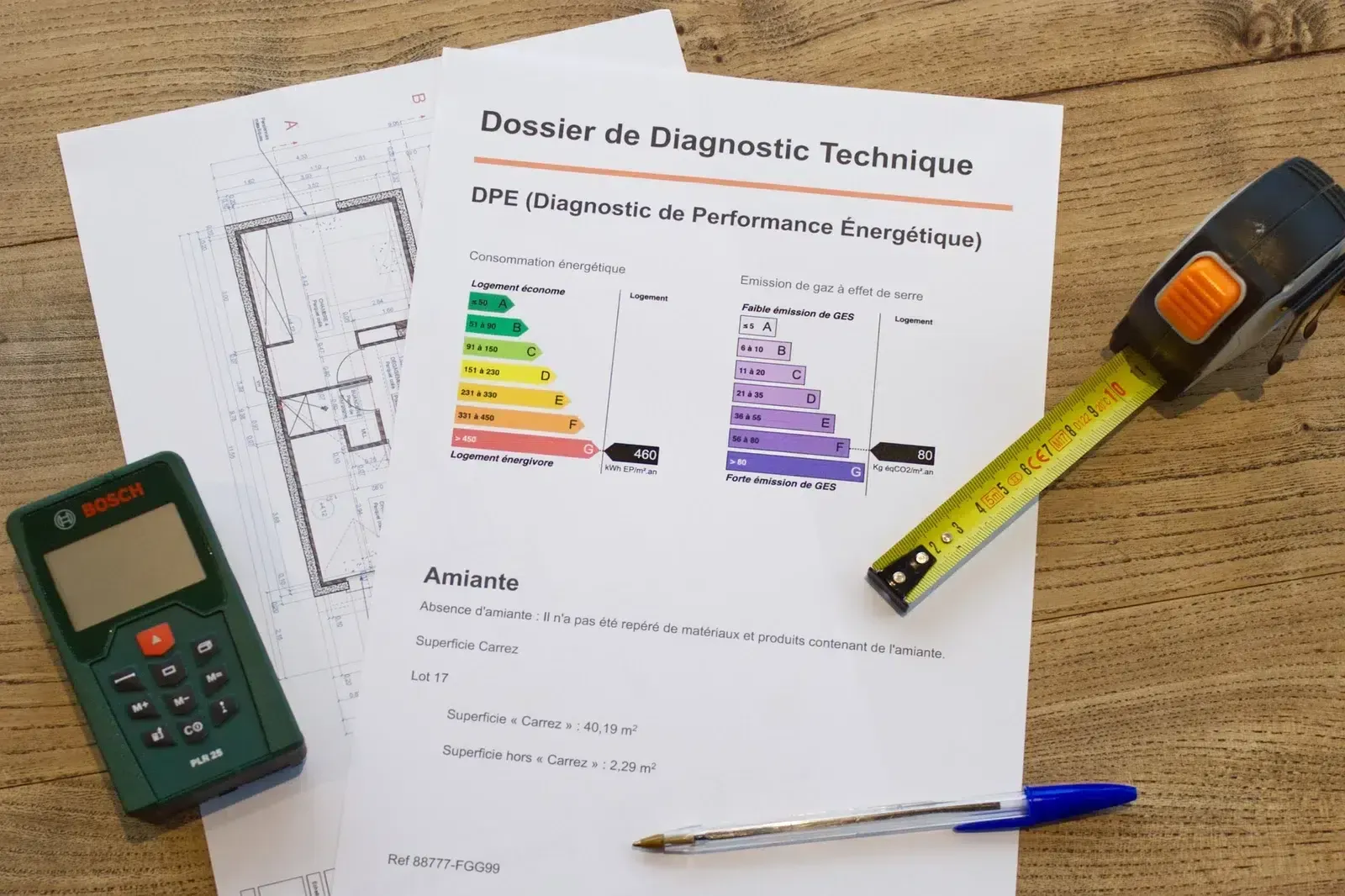
I use little energy but have a poor EPC – how is that possible?
Unfortunately, you are not the only ones facing this situation. To better understand this paradox between consumption and EPC rating, RITMODiag explains everything!
Read more →
Change in 2026: the EPC electricity coefficient is evolving!
And this change begins with the revision of the electricity coefficient through a new reform coming into effect from 1 January 2026.
Read more →