
The era of smart property diagnostics: How AI and drones could revolutionise the sector
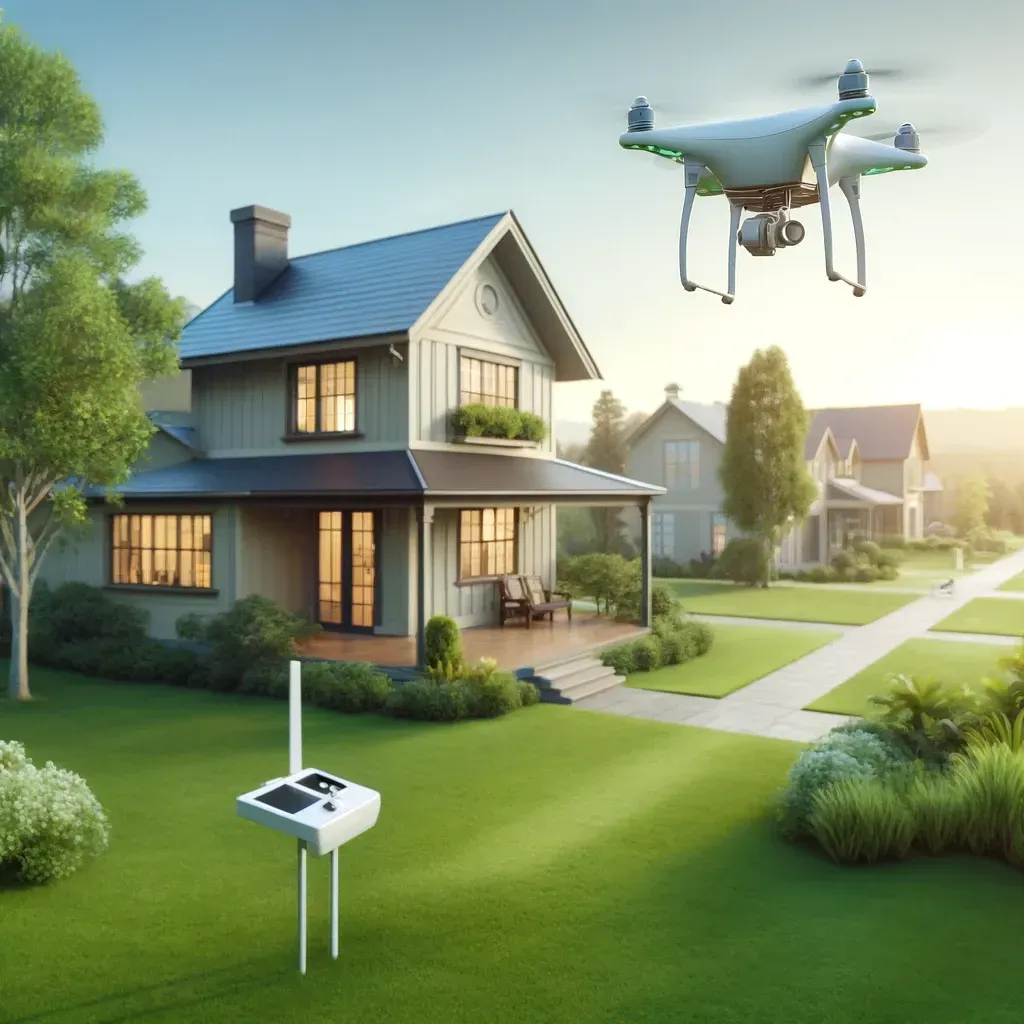
Technological advances continue to reshape the landscape of many industries, and the property diagnostics sector is no exception
Technological advances continue to reshape the landscape of many industries, and the property diagnostics sector is no exception. On the horizon, the potential integration of artificial intelligence (AI) and drones promises to revolutionise traditional methods of inspecting and assessing properties. These technologies could not only make diagnostics faster and more accurate, but also completely transform the way diagnosticians interact with buildings and process the data collected.
Envisaging a future where AI would instantly analyse immense volumes of data and where autonomous drones would inspect structures in a matter of minutes, this article explores how these innovations could improve efficiency and precision in property diagnostics, paving the way for a new era of smart and connected property services.
Through this exploration, we will discover the promising benefits that these technologies could bring to the sector.
Drones: towards a new dimension of property inspections
Technical capabilities of drones
Drones, these remotely controlled flying devices equipped with cutting-edge technologies, are revolutionising the property diagnostics sector through their exceptional capabilities. Fitted with high-resolution cameras and various sensors, whether thermal or infrared, drones make it possible to obtain detailed and precise views of properties. They are particularly useful for inspecting areas such as roofs, the facades of large buildings, or structures located in hard-to-reach places. The use of drones in property diagnostics can offer unrivalled precision, making it possible to detect problems such as construction defects, water damage or heat loss, which might otherwise go unnoticed.
Practical applications
The practical application of drones in property diagnostics is vast. For example, during a roof inspection, a drone can quickly and safely fly over the area and collect visual data such as a thermal audit of the roof, thus eliminating the need for inspectors to climb onto the roof themselves, which reduces the risk of accidents. This method has the merit not only of being safer but also much faster than traditional inspection techniques. In addition, in the context of the sale of a property, the high-quality images and videos taken by drones can be used to reassure potential buyers about the condition of the building before purchase.
Impact on the safety and cost of inspections
The introduction of drones into property inspections has a significant impact on safety and costs. From a safety point of view, reducing the need to physically access high or unstable areas decreases the risk of accidents in the workplace. From an economic point of view, the use of drones can reduce the time needed for a complete inspection, which translates into lower costs for diagnosticians and their clients. By reducing the time spent on each site, diagnosticians can increase the number of inspections they carry out each day, thus maximising their efficiency and their revenue.
Potential for integration with AI
Envisaging the integration of artificial intelligence with the flight capabilities of drones opens up new perspectives for property diagnostics. AI can be used to automatically analyse the images and videos captured by drones, quickly identifying potential problems thanks to advanced algorithms. This integration would make it possible not only to increase the precision of diagnostics by identifying anomalies that the human eye might miss, but also to predict future renovation needs thanks to the analysis of trends observed in the data collected.
Artificial Intelligence: Turning data into decisions
Data processing and analysis
Artificial intelligence (AI) has become an invaluable tool in the processing and analysis of large volumes of data, a common reality in the field of property diagnostics. AI systems are capable of quickly managing and analysing thousands of data points collected by visual inspections, drones, and other measurement tools. These systems can identify patterns and anomalies with a precision that traditional methods cannot match. For example, AI can detect microscopic cracks on facade images or thermal anomalies on infrared images, which could indicate insulation problems or air leaks.
Predictions and modelling
One of the most significant advantages of AI in property diagnostics is its ability to make predictions based on the accumulated data. Using predictive models, AI can help anticipate future problems, such as the deterioration of materials or the increased risk of structural failures. This enables owners and property managers to make proactive decisions regarding maintenance and repairs, potentially reducing long-term costs and improving building safety.
Integration of AI into diagnostic tools
The adoption of AI in property diagnostic tools translates into improved precision and efficiency of inspection reports. Modern software equipped with AI can generate detailed reports that not only highlight current problems but also offer recommendations based on the analysis of trends and historical data. These enriched reports could help diagnosticians to provide a more complete and personalised service, thus increasing their added value for clients.
Augmented reality: Advanced visualisation of diagnostics
Improving clients' understanding
Augmented reality (VR) offers a revolutionary means of improving clients' understanding of property diagnostics. Thanks to VR, clients can see in real time the problems detected in a property superimposed on the actual image of their building using tablets or smartphones. This visualisation can include everything from indications of heat-loss areas, visualised through colours on the screen, to lines highlighting structural cracks or other defects. By providing a visual representation of the data, VR helps clients to visualise problems that are not immediately apparent, making technical reports more accessible and understandable.
Interactive reports
The ability to transform static reports into interactive experiences is another major advance offered by augmented reality. Diagnosticians could use VR to create dynamic reports where clients would have the possibility to click on different parts of their property to obtain detailed information and specific recommendations. This interactivity can greatly improve client engagement, allowing them not only to better understand the issues but also to explore different options for repairing or improving their property in an intuitive and educational way.
Future prospects
Looking to the future, augmented reality has the potential to become even more integrated into property diagnostic processes. Developers are already exploring ways to increase integration with other technologies such as AI and drones to create even more complete and automated diagnostic systems. For example, the images captured by a drone could be immediately processed by AI to identify problems, and the results could then be visualised via VR on site. This type of integration could transform property inspections into fully immersive and interactive experiences, increasing efficiency and precision while improving the user experience.
Technological issues and challenges
Issues of data confidentiality and security
The integration of advanced technologies such as AI, drones, and augmented reality into property diagnostics raises important issues of data confidentiality and security. The data collected during inspections, often highly detailed and sensitive, must be protected against unauthorised access and misuse. Companies must therefore implement rigorous security protocols and comply with data protection legislation, such as the GDPR in Europe, to ensure the security of client information. In addition, transparency with clients about the use of data is crucial to maintaining trust and respecting ethical standards.
Barriers to adoption
Although the benefits of these technologies are considerable, several barriers can slow their adoption in the property diagnostics sector. The initial cost of investment in equipment and technology, such as high-quality drones and AI software, can be a harsh obstacle for small companies or self-employed professionals. In addition, regulations regarding the use of drones for safety or privacy reasons can also limit their use in certain contexts or regions. It is essential that players in the sector work with regulators to develop standards that allow the safe and respectful use of these technologies.
Required training and skills
The emergence of these innovative technologies in property diagnostics would also require an upgrading of skills for professionals. Diagnosticians must be trained not only in the effective use of the technologies, but also in the interpretation of the data collected by AI and the presentations in augmented reality. This often involves specialised and ongoing training, which can represent a logistical and financial challenge for individuals and companies in the sector.
Conclusion: Envisaging future possibilities in property diagnostics
The exploration of artificial intelligence, drones, and augmented reality offers fascinating prospects for the evolution of property diagnostics. These technologies, although not yet universally adopted, present promising opportunities to improve efficiency, precision and client engagement in property inspections. However, they raise important questions relating to confidentiality, implementation costs, regulation, and the need for appropriate training. For more information on the dangers of technology: « Phishing, malware and online pop-ups: eight major technological security risks for your business »
Property diagnostics professionals who are curious and open to these innovations could well be at the forefront of a significant transformation in the industry. However, the transition towards more widespread use of these technologies must be approached with caution, carefully weighing the advantages against the challenges and ensuring strict regulatory compliance.
Recommendations
We encourage property diagnosticians and stakeholders in the sector to consider these technologies as potential tools for improving their services and not as universal solutions. Investing in research, taking part in training on new technologies, and engaging in discussions on best practices will allow everyone to navigate confidently towards the future of property diagnostics. Start by assessing how these innovations can fit into your current operations and thoughtfully consider their future integration to remain competitive in a changing market.
Related diagnostic
Energy audit
A property project? Get a quote for your diagnostics.
Related articles
Electricity coefficient in the EPC: what the shift from 1.9 to 1.7 will change in 2027
The electricity coefficient used in the French energy performance certificate (EPC) will drop from 1.9 to 1.7 on 1 January 2027. Here is an overview of the homes affected, the possible impact on the EPC rating and the steps to anticipate.
Read more →
Heatwave: Immediate and lasting tips to keep your home cool
The thermometer is going haywire, the blazing sun beats down on the rooftops and the air becomes oppressive… The heatwave is well and truly here! Faced with heatwaves that are increasingly frequent and intense, turning your home into a haven of coolness has become more than an absolute priority.
Read more →
Asbestos survey: obligations, health risks and the cost of asbestos removal in 2026
Mandatory asbestos survey: who is concerned, what price, what risks? Regulations, cost of asbestos removal and expert advice in Normandy. A complete guide.
Read more →