The Energy Audit: the essential diagnostic for optimal renovation

The energy audit is the essential diagnostic for preparing your renovation project. Mandatory in certain cases, it can also help you unlock significant grants to optimise your property’s energy capabilities while driving up its value!
The energy audit, a starting point for your renovation project
What is an energy audit?
Let’s start at the beginning and establish exactly what we mean when we talk about the energy audit. This property diagnostic is the cornerstone of a successful and effective renovation.
You want to do right by your home, and as exciting as that is, you don’t want to have to start all over again in a year’s time because you missed some essential work, do you? That’s where the energy audit comes in. It covers the essential key points of a renovation.
The energy audit is an in-depth analysis of a building’s energy consumption. It aims to identify sources of energy waste and to propose solutions to improve energy efficiency. The audit may include:
- An examination of the insulation,
- A check of the heating, ventilation and air-conditioning systems,
- An audit of the electrical and electronic equipment.
The importance of the energy audit
An energy audit is essential for understanding how energy is used in a building. It makes it possible to highlight inefficiencies and to recommend improvements.
For businesses, this can lead to substantial savings and better compliance with environmental regulations.
For private individuals, this translates into lower energy bills and increased quality of life.
The different types of energy audit
Energy audits for private individuals
Residential energy audits focus on houses and flats.
They assess the efficiency of the heating, cooling, lighting and insulation systems. The aim is to help owners reduce their energy costs and improve their thermal comfort.
Energy audits for businesses
For businesses, the energy audit involves a more complex analysis due to the size and diversity of the equipment used.
The emphasis is on optimising industrial processes, the efficiency of HVAC systems (heating, ventilation and air-conditioning), and energy management in offices and commercial spaces.
Benefits of carrying out your Energy Audit
Reducing energy costs
One of the main benefits of the energy audit is the reduction of energy costs. By identifying inefficiencies and implementing specific recommendations, private individuals and businesses can make substantial savings on their energy bills.
Improving thermal comfort
An energy audit also makes it possible to improve a building’s thermal comfort. By optimising the insulation and adjusting the heating and cooling systems, occupants can enjoy a more comfortable and consistent indoor environment.
Reducing the carbon footprint
By making a building more energy-efficient, the energy audit contributes to reducing the carbon footprint. This is particularly important in the current context of the fight against climate change. Businesses can also enhance their brand image by demonstrating their commitment to sustainability.
The key stages of an Energy Audit
Preparing for the audit
The first stage of an energy audit is preparation. This includes gathering information on current energy consumption, the building’s characteristics and the equipment in place. The energy auditors then plan the necessary visits and inspections.
Data collection
During the audit, the energy auditors collect detailed data on the building’s energy performance. This may include the use of measuring devices, visual inspections and interviews with the occupants or building managers.
Analysis and recommendations
Once the data has been collected, it is analysed to identify inefficiencies and opportunities for improvement. The energy auditors then provide a detailed report with specific recommendations to optimise energy consumption. This may include improvements to the insulation, the replacement of obsolete equipment or the adoption of new energy technologies.

How to Finance an Energy Audit with MaPrimeRénov
An overview of MaPrimeRénov
MaPrimeRénov is a financial aid scheme set up by the French government to encourage energy renovations. It is available to owner-occupiers, landlords and co-ownerships.
The amount of the MaPrimeRénov aid for carrying out an energy audit varies between 300 and 500 euros. The amount is determined by your eligibility criteria. Bear in mind that, whatever the amount of the aid, an eligible expenditure ceiling of €800 must be respected.
Eligibility criteria
To benefit from MaPrimeRénov, you must meet certain eligibility criteria, such as the applicant’s main residence, specific income conditions and the completion of eligible works by RGE-certified professionals (Reconnu Garant de l’Environnement).
The application process
The MaPrimeRénov application process begins with creating an account on the official website and submitting an application online. Once the application has been approved, the work can begin and the grant is paid after the work has been completed and the supporting documents submitted.
We can answer your questions about your audit needs; don’t hesitate to contact us
Obtaining a Quote for an Energy Audit
Choosing the right provider
It is crucial to choose a qualified and experienced provider to carry out an energy audit. Look for RGE-certified professionals and ask for references or customer reviews to make sure of the quality of their services.
Comparing quotes
Obtain several quotes to compare the services and costs. Make sure each quote includes a detailed description of the services offered, the total cost and the completion times.
Want to estimate the price of your audit? Follow the steps of our online energy audit price simulator free of charge in less than 2 minutes.
Factors to consider in a quote
When comparing quotes, take into account the provider’s reputation, the scope of the audit, the technologies used and the guarantees offered. A cheaper quote may not include certain essential services, so examine each proposal carefully.
At RITMO-Diag we offer you professional, efficient and reliable property diagnosticians. With 100% customer satisfaction on this type of energy audit.
Do you need a mandatory Energy Audit?
Wondering whether you are required to have an energy audit in order to sell or let your property? To find out, you need to go through the EPC (Energy Performance Certificate) stage.
For certain homes considered to be energy sieves, the energy audit is a mandatory step. It will help you determine the essential work needed to reduce losses in your property.
It can also enable you to obtain grants, if you meet the eligibility criteria and depending on the nature of the work to be carried out.
The Impact of the Energy Audit on Renovation Projects
Integrating the recommendations
The energy audit provides valuable recommendations that can be incorporated into renovation projects. These recommendations may include improvements to the insulation, upgrading the heating and cooling systems, and adopting energy-efficient technologies.
Post-audit follow-up
After the recommendations have been implemented, it is important to monitor the energy performance to assess the impact of the improvements. Periodic audits may be necessary to ensure continued efficiency and to identify new optimisation opportunities.
FAQ on the Energy Audit
What is an energy audit?
An energy audit is a detailed assessment of a building’s energy consumption, aimed at identifying sources of waste and recommending improvements to optimise energy efficiency.
What are the associated costs?
The costs of an energy audit vary depending on the size of the building, the complexity of the audit and the provider chosen. In general, the costs can range from a few hundred to several thousand euros.
What grants are available?
MaPrimeRénov is a grant available in France to finance energy audits and renovation work. Other grants may be available depending on the region and the specific project.
How long does an audit take?
The duration of an energy audit depends on the size and complexity of the building. In general, an audit can take from a few hours to several days, including data collection and analysis.
What results can be expected?
The expected results of an energy audit include reduced energy costs, improved thermal comfort and a reduction in the building’s carbon footprint.
The final word on the energy audit
The energy audit is a fundamental step towards improving buildings’ energy efficiency, reducing costs and helping to protect the environment.
Whether you are a private individual or a business, carrying out an energy audit can bring considerable benefits.
Don’t wait any longer to schedule your audit and start saving today!
Related diagnostic
Energy audit
A property project? Get a quote for your diagnostics.
Related articles
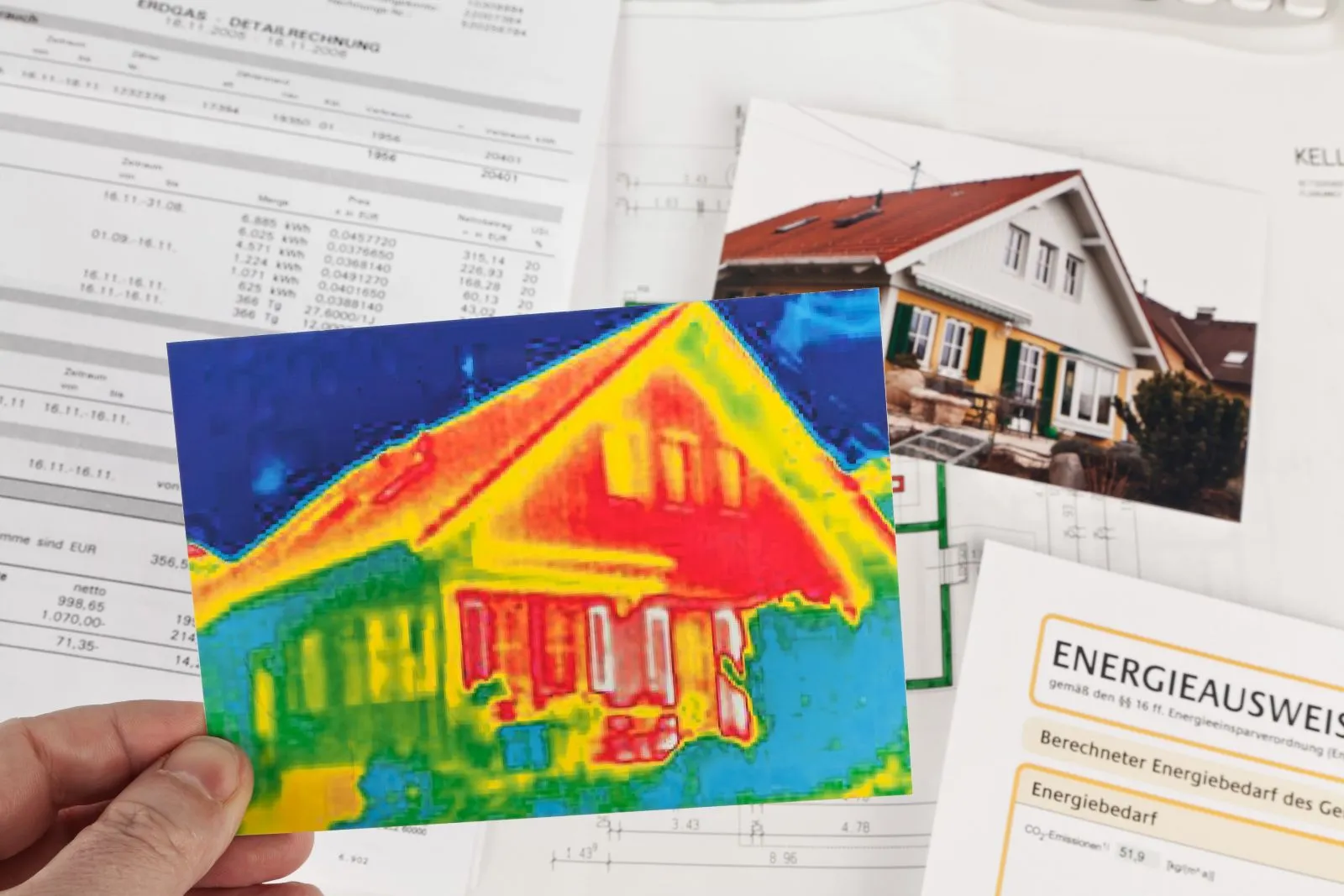
Building or renovating? Why a thermal study goes beyond simply meeting RE2020
When you decide to embark on a property project, one question inevitably arises: should you build new or renovate an existing home?
Read more →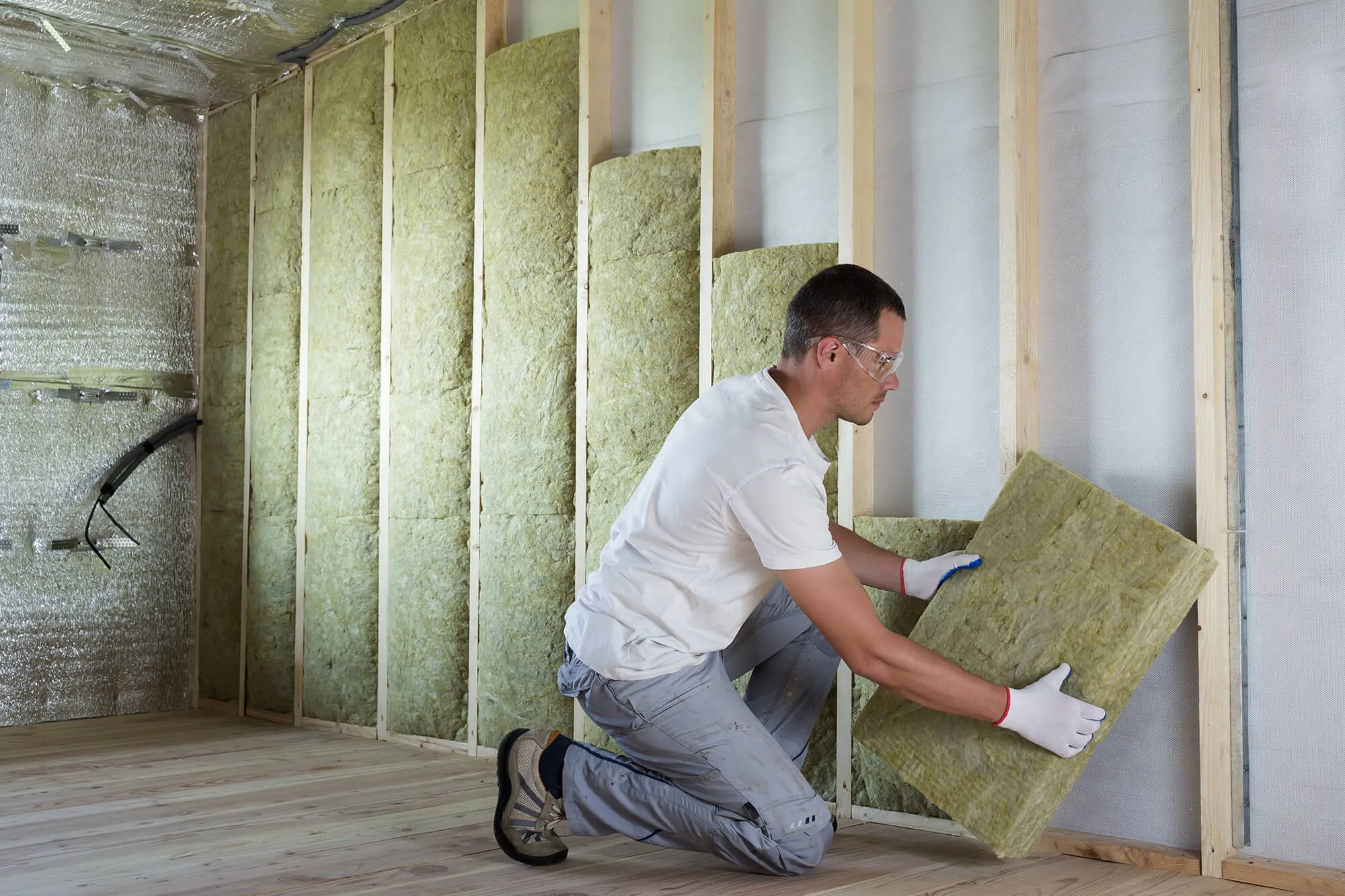
Insulation: the cornerstone of your energy renovation
In the face of rising energy prices, as well as the tightening of regulations concerning the energy transition, insulation is becoming the centrepiece of every energy renovation project.
Read more →
PPPT and energy audit in co-ownership: a collective challenge for lasting savings
Co-owners, seize the opportunity now to turn a legal obligation into a clear roadmap for improving the comfort of your buildings!
Read more →