
Building or renovating? Why a thermal study goes beyond simply meeting RE2020
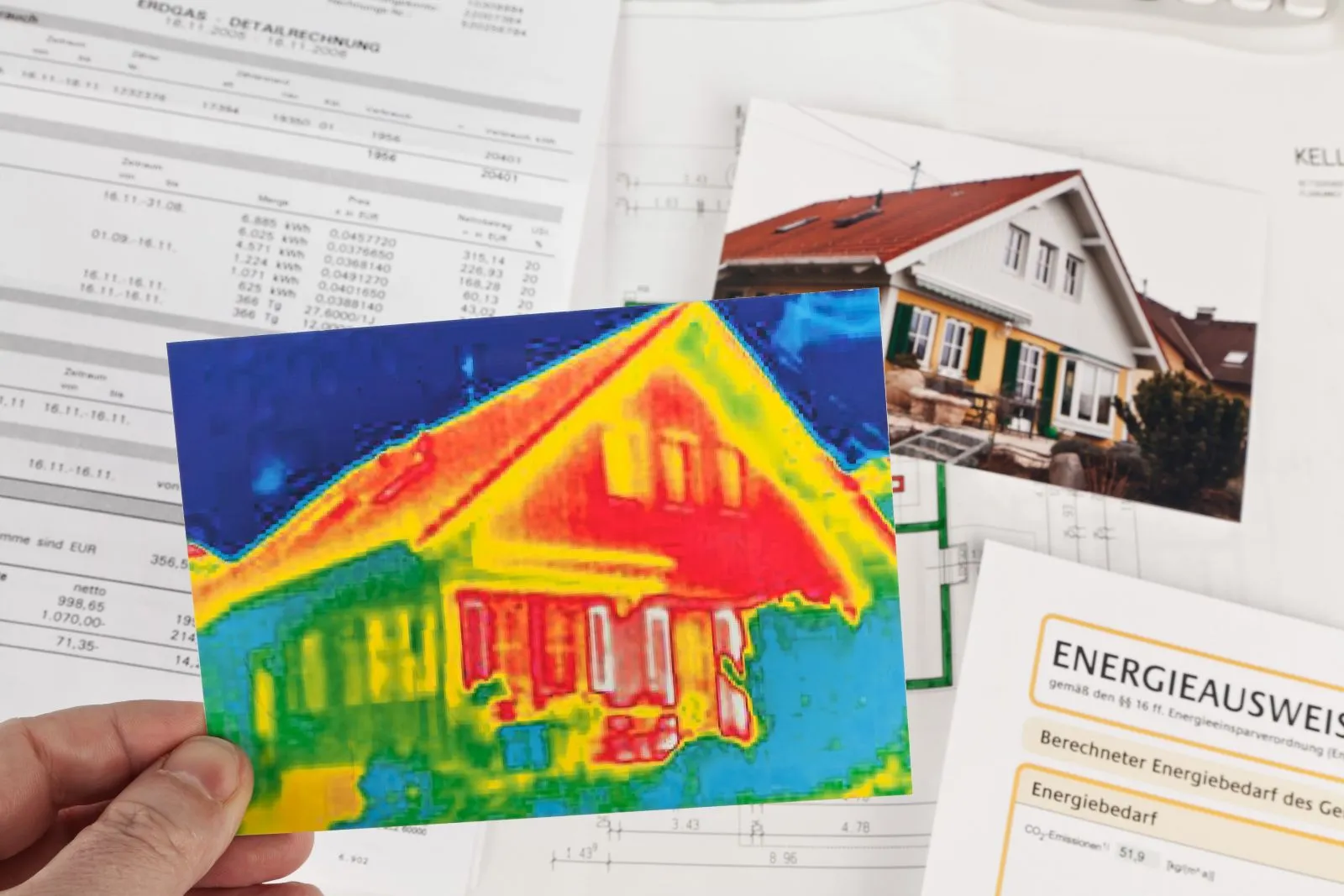
When you decide to embark on a property project, one question inevitably arises: should you build new or renovate an existing home?
Beyond the financial aspect, the question also concerns energy and environmental issues, as well as comfort. All of this falls within the scope of the RE2020.
But first of all, what exactly is the RE2020 ? RITMO will try to untangle this subject with you and go further to answer your questions.
The RE2020: a regulatory framework that has become essential
What is the RE2020? Let's go over it again for you!
The RE2020, or 2020 Environmental Regulation, has replaced the RT2012 (2012 Thermal Regulation) since January 2022. As the change of name suggests, we are moving from a thermal regulation to an environmental regulation.
Whereas the RT2012 focused mainly on energy performance, this new regulation goes further and incorporates a comprehensive vision of the building and its life cycle. It now assesses the carbon impact right from the construction phase, taking into account the materials used, their manufacture, their transport and their “end of life”.
The RE2020 is based on three main pillars:
- Energy efficiency: the emphasis is placed on high-performance insulation and the use of renewable energy. In practical terms? A 30% reduction in primary energy consumption compared with the RT2012.
- Decarbonisation: limiting the carbon footprint over 50 years through the use of bio-based materials. The aim is to reduce CO2 emissions by 40% compared with previous practices.
- Summer comfort: achieving thermal comfort without resorting to air conditioning, thanks to solar shading or natural ventilation, for example.
With the RE2020, beyond constructing energy-efficient buildings, the goal is to prepare the property stock for the climate challenges of the years to come!
In what context does the RE2020 apply?
The RE2020 is a regulation that progresses over time and evolves in stages.
With various thresholds becoming stricter over the years, the aim is to support the construction and building sector with these new rules now in force.
Projects concerned
Since January 2022, the RE2020 has applied mandatorily to new builds. That is to say:
- Detached houses,
- Collective housing,
- Building extensions of more than 150m²
Since July 2022, this has extended to other types of building:
- Offices,
- Primary and secondary education buildings
Finally, in 2023, this was broadened to certain specific tertiary buildings such as:
- Hotels,
- Shops,
- Gymnasiums,
- Healthcare establishments,
- Certain industrial buildings,
By progressively extending to different types of building, this regulation allows the entire sector to adapt to the new thresholds gradually.
Projects partially concerned and projects not subject to the regulation
The RE2020 regulation does not apply:
- To energy renovation projects covered by the PREB (Building Energy Renovation Plan),
- To buildings rehabilitated with a change of use,
- To buildings located in the overseas departments and territories (they follow the RTAA DOM2016, the Thermal, Acoustic and Air Regulation),
- To building permits filed before the RE2020 came into force.
The RE2020 is one of the first regulations in the world, and the first French regulation, to take into account the life cycle of materials when discussing environmental performance.
The RE2020 is evolving, and the latest version dates from 9 May 2025, published on 16 May 2025. This updated version takes into account various orders and decrees, in particular the feedback from the first years of the RE2020's application.
You can find the RE2020 guide on the government website.
You now have the main information on the RE2020, but what about your project?
Now, let's take a look at the thermal study. What is it, and above all, what is its role in distinguishing between new construction and renovation.
The thermal study: a strategic tool before being a regulatory obligation
What is a thermal study?
A thermal study is a comprehensive analysis of a building's energy behaviour according to several parameters. It is carried out by a specialist design office.
Beyond a simple regulatory calculation, it is a decision-support tool during a property project! The thermal study includes:
- A simulation of energy consumption (heating, domestic hot water, lighting, etc.),
- An analysis of heat loss through walls, the roof or the joinery,
- An assessment of thermal bridges,
- A comparison of the various solution scenarios,
When the thermal study becomes a design tool
It is important to bear in mind that the thermal study should not come at the end of the project, but right from the outset in order to optimise your property project.
Its aim is to ensure that the project, whether construction or renovation, complies with the standards and regulations in force, and to optimise various areas by choosing suitable solutions, identifying weak points and proposing appropriate solutions. This will avoid mistakes that can quickly become costly.
This study will notably guide you in the choice of insulation, joinery, materials and energy systems by comparing different options while taking into account cost, efficiency and carbon impact.
Choosing the best project: build or renovate?
Building new: requirements and project optimisation
Building new really means starting from a blank page. For many people, designing a home allows them to best meet their expectations and desires. But to carry out a new build, you also have to meet all the requirements of the RE2020, and the regulatory constraints can quickly become very strict.
Thermal requirements in new construction
Today, in order to comply with the RE2020 thresholds, every element of the building (insulation, materials, energy systems) must be designed in keeping with the whole. The aim is to ensure that the building envelope offers optimal performance.
The thermal study: the key to optimising your construction project
During the design phase, the thermal study will provide many indications to steer the property project. The aim is then to find the best cost/performance ratio while meeting the regulations in force and, ultimately, to enable a reduction in energy bills.
Enhancing the asset value of the property
A new home, compliant with the RE2020 and with a well-rated EPC (A or B), represents a strong increase in value on the property market. In particular, it means you don't have to worry about the timetable of bans on renting out energy sieves, since the emphasis is placed on the building's energy performance.
Renovation: the limits and key points of this type of project
Renovating a home is a project that allows you to fulfil your property ambitions at a lower cost, or at least with the possibility of spreading the costs over time.
Today, energy renovation is a major challenge for the French property stock, which is why numerous grants have been put in place to support those undertaking renovation projects.
A thermal study that is just as essential
Even though it is not subject to the RE2020 regulations, renovation also requires an in-depth analysis in order to identify priority works and areas of heat loss. The thermal study therefore remains a very useful tool!
A regulatory framework different from that of new construction
In renovation, the project does not fall under the RE2020, but rather under the PREB. Energy performance is assessed with the EPC and according to the energy gain.
Challenges that vary but are just as important
During the energy renovation of a building, one has to deal with various constraints. The aim is above all to optimise a building that is now outdated in the face of the regulations in force. You have to adapt to everything you may encounter: architectural constraints, the presence of lead or asbestos, etc.
Construction or renovation: the thermal study is a decision-support tool
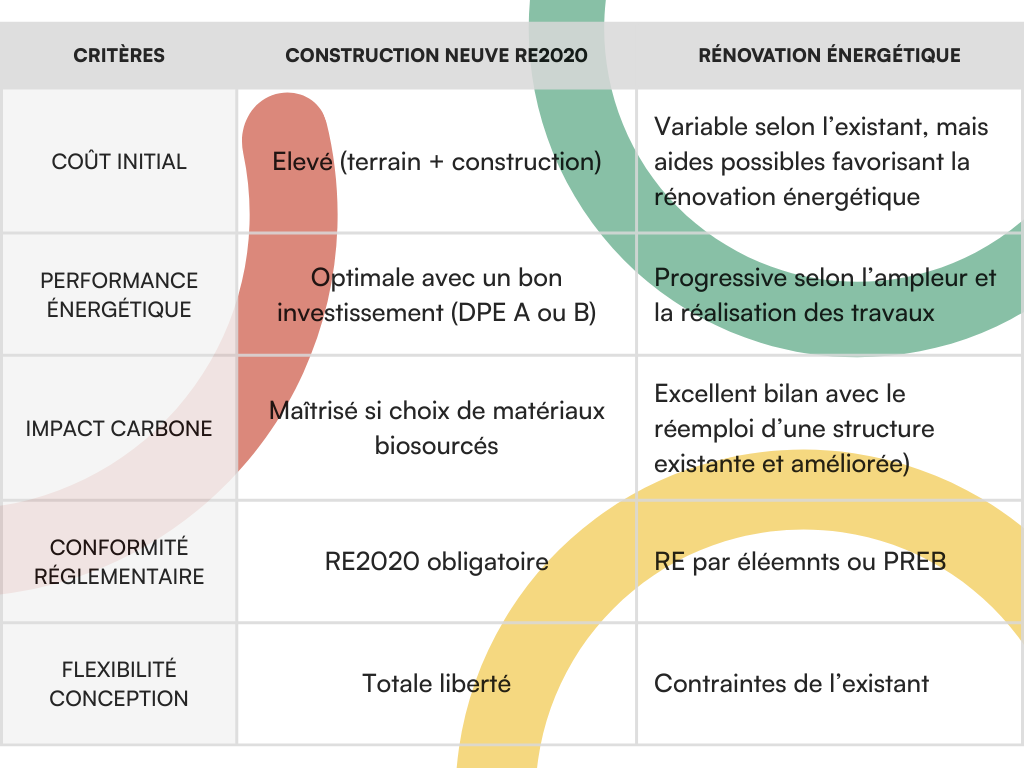
Building or renovating intelligently also means anticipating the constraints and regulations of tomorrow, controlling the use of materials over the long term and contributing to the energy transition.
The RE2020 is ambitious for the building sector, but it is important to turn these requirements into opportunities thanks to the thermal study.
The RITMO design office offers you tailored support
Are you looking to embark on a property project? Get support from professionals who will know how to advise and assist you. Our design office will be at your side throughout the various steps of your project.
Our team carries out RE2020 thermal studies for your new-build projects, but you can also call on us to carry out an energy audit for your renovation projects.
Together, let's make sure we build or renovate intelligently!
Related diagnostic
Energy audit
A property project? Get a quote for your diagnostics.
Related articles
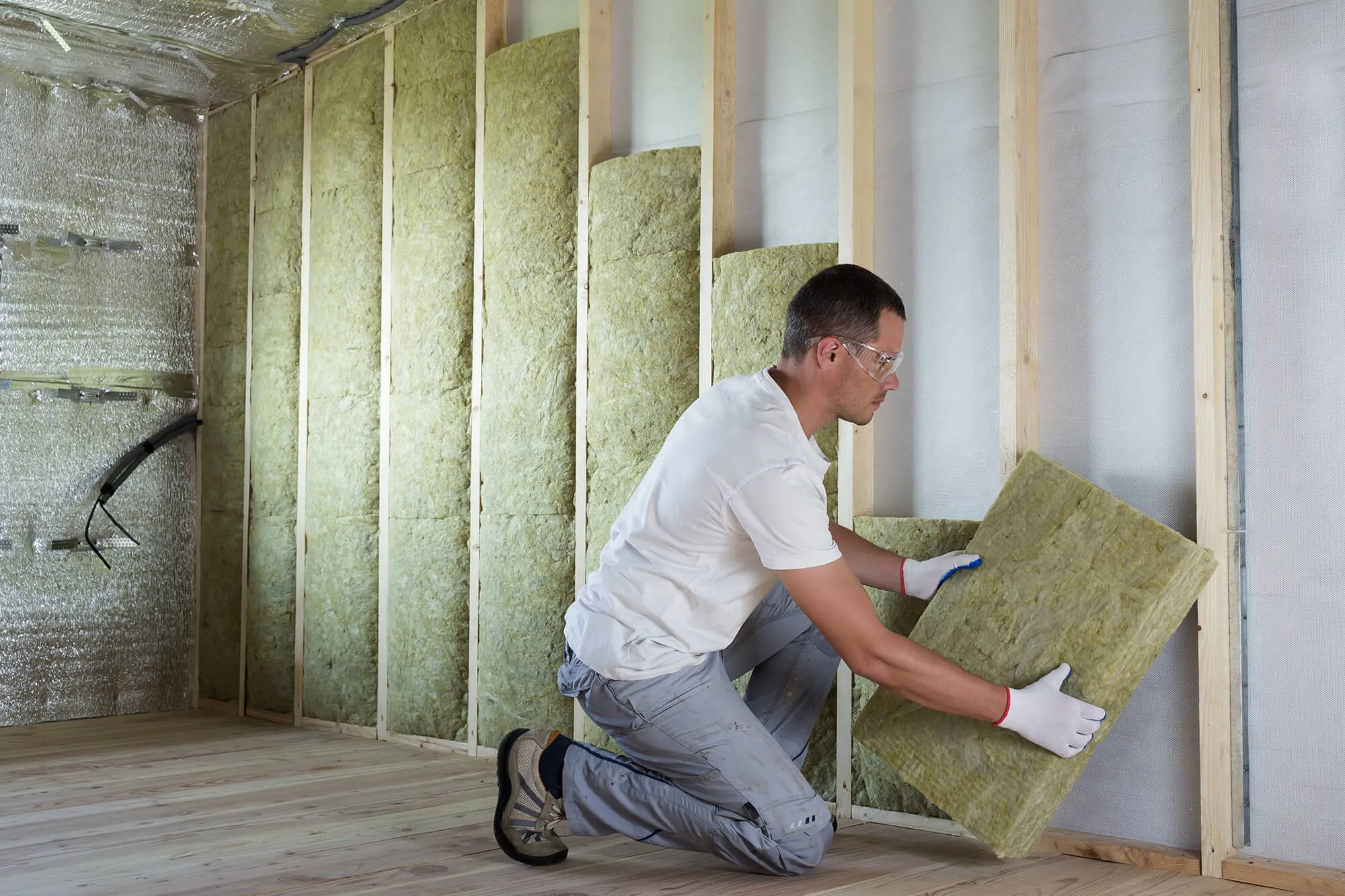
Insulation: the cornerstone of your energy renovation
In the face of rising energy prices, as well as the tightening of regulations concerning the energy transition, insulation is becoming the centrepiece of every energy renovation project.
Read more →
PPPT and energy audit in co-ownership: a collective challenge for lasting savings
Co-owners, seize the opportunity now to turn a legal obligation into a clear roadmap for improving the comfort of your buildings!
Read more →
Changing your windows to improve your EPC rating: a miracle solution?
Among the works most frequently considered to improve your EPC rating, replacing windows is an appealing solution. But, between received ideas and technical reality, is changing the joinery really the key to improving your home’s energy rating?
Read more →