
PPPT and energy audit in co-ownership: a collective challenge for lasting savings

Co-owners, seize the opportunity now to turn a legal obligation into a clear roadmap for improving the comfort of your buildings!
Today, we are facing a real surge in energy prices and, alongside it, a climate emergency. The Climate and Resilience Act, enacted in 2021, aims to encourage the energy renovation of the entire housing stock and thereby reduce the presence of energy sieves on the market.
The energy audit is no longer just an option, but a genuine strategy for keeping charges under control, adding real value to your property assets and, above all, complying with the regulations in force.
Multi-unit buildings account for a huge share of national energy consumption. In this context, carrying out a PPPT (Projet de Plan Pluriannuel de Travaux, or draft multi-year works plan) and an energy audit is the starting point for any renovation project.
Understanding what the energy audit in co-ownership is
We have already had the chance to tell you about both the PPPT and the energy audit.
Whereas the PPPT provides an assessment of the building envelope and the condition of the various components (boilers, ventilation, windows and doors), we can only recommend adding an energy audit. Much more than a property survey, it is a more thorough and methodical analysis of your building's overall energy performance and climate rating, carried out by certified auditors.
First of all, we want to explain the difference between the collective EPC and the energy audit in co-ownership.
The collective EPC gives you an instant snapshot of consumption by providing an energy rating. It is an assessment of the current state of your building.
The energy audit, on the other hand, goes much further! It is a genuine, detailed technical study with proposals for concrete, prioritised and costed works scenarios. It is a tool that will guide you in your future steps.
To help you understand better, we have listed the main objectives of the audit within your co-ownership:
- Identifying energy leaks and sources of heat loss within your building: poorly insulated roofing, old windows, outdated heating, unsuitable ventilation… It is a precise assessment of your co-ownership's weaknesses so you can move towards a genuinely effective renovation strategy,
- Planning with complete peace of mind: organising future work thanks to a clear, prioritised roadmap that sets the priorities,
- Complying with current legislation and meeting the regulatory obligations imposed on co-ownerships,
With an energy audit, you will be able to anticipate and comply with the energy transition laws.
In practice, what does an energy audit in co-ownership bring you?
As we mentioned, the energy audit serves several objectives.
In practice, it is a comprehensive report dedicated to energy performance. The auditor who works in your building will not simply note the sources of heat loss and the weak points of your structure; they bring you a genuine proposal.
They give you an overall picture by offering an assessment of all areas:
- Insulation (walls, roof, floors),
- Heating performance,
- Hot water production,
- Ventilation efficiency,
- Quality of external windows and doors,
- Loft insulation, etc.
In the final report, you will have access to several renovation scenarios.
The professional carrying out the work will present their conclusions with a scenario proposing renovation work in a single stage, including the cost. They will also offer you a step-by-step scenario, again costed, showing how your energy rating changes at each stage of the work. If you already have some renovation quotes, they can also offer you a third scenario taking your quote estimates into account.
The aim of the PPPT? To give you a choice among scenarios ranging from the most energy-efficient to a more economical option and a more structural proposal for the building that includes certain energy-related elements.
In addition to an assessment of all your building's components, the audit provides you with clear guidance and several pieces of data:
- Annual consumption in kWh/m²,
- Greenhouse gas emissions,
- Estimated energy costs,
- The level of thermal comfort
As co-owners, you will thus be able to measure the concrete impact of the renovation work being considered.
Is your co-ownership ready to take on the energy performance challenge?
Unfortunately still too often seen as a legal constraint, at RITMOAudit we aim above all to explain to co-owners that the real question about the energy audit is no longer 'Do we have to do it?' but rather 'When and how?'.
You can enjoy tangible benefits, financial or otherwise:
- Increased value of your assets: a properly maintained, well-insulated building with efficient systems is a sign of controlled charges,
- Increasing the value of your property: improving your building's energy rating following renovation work can increase the value of your property by between 5% and 15%,
- Lasting savings on charges: carrying out a renovation based on the audit can reduce collective energy expenditure by 30% to 60%.
Make the energy audit an essential tool for turning a legal constraint into an opportunity.
A stronger regulatory framework for a renovated property market
The property market is governed by legislation aimed at improving the energy performance of the entire housing stock. And co-ownerships are no exception!
For large co-ownerships, the legal framework is changing rapidly.
Since 2012 and the Grenelle II Act, the energy audit has been mandatory for co-ownerships of more than 50 units with collective heating or cooling. For its part, the Climate and Resilience Act has tightened the requirements for buildings that lose too much heat, with a ban on renting out energy sieves and the obligation to carry out a PPPT.
The aim? To create a context that encourages the renovation of the French housing stock.
Beyond the obligation: the true potential of the energy audit
As we mentioned, the legal framework is tightening and regulations are changing. But you need to look well beyond all this and take advantage of these obligations.
By carrying out a PPPT and an energy audit, you will understand how your building works and, above all, its overall condition, particularly in energy terms. This knowledge is the key to making the right decisions and investing wisely in your building.
Carrying out surveys and audits is also a real commercial asset with potential buyers. Some co-ownerships even choose to advertise it to stand out from the crowd!
Move on from an energy sieve and aim for energy renovation with genuine strategic planning! The scenarios proposed by the energy audit give you a medium- and long-term vision.
Have we piqued your curiosity? Then let's go through the key stages of your audit together.
The key stages of a successful energy audit!
The energy audit, carried out by a certified professional, is a well-established process:
- First step: hold a vote at the general meeting of the managing agent and the co-ownership council to present the project and select the service providers,
- Collect all the necessary data: an auditor visits your building, gathers all the documents (bills, plans, equipment specifications, works history, etc.) and draws up a precise assessment,
- On-site visit: the professional visits the building and examines the insulation, windows, heating and ventilation.
- Drawing up the scenarios: the auditor offers you 2 to 3 scenarios, as mentioned above: an overall single-stage scenario, a step-by-step scenario and potentially a scenario based on your renovation quotes,
- The presentation of the auditor's report at the general meeting. The professional who carried out the audit can attend this meeting to explain and answer questions,
- Finally, the co-owners vote on the work and launch the building's renovation!
The various parties involved in the audit
Above all, to ensure a result that meets your expectations, it is essential to call on certified professionals. At RITMOAudit, we make sure you work with a professional, transparent and available team!
As co-owners, you also have a role to play in this whole process. It is up to you to raise awareness among residents and the co-ownership council, in order to create genuine collective cohesion. Make the PPPT and the energy audit a shared project!
Energy audit: a roadmap for the next 10 years
The energy audit is a genuine improvement path for the energy transition over the next 10 years! The scenarios the auditor proposes will allow you to spread out the investments and avoid mistakes that can quickly become costly.
Yes, but how do you finance it?
Good news! There is plenty of financial support available, and it can cover a good part of the investment in your co-ownership's renovation.
A short, non-exhaustive list of the support you shouldn't miss:
- Éco-PTZ copropriétés (or collective interest-free eco-loan),
- Energy Savings Certificates (CEE),
- MaPrimeRénov' Copropriétés,
- Certain local grants and support from local authorities,
Recognising the tangible benefits
The renovation of your co-ownership, if guided by a PPPT and an energy audit, guarantees tangible benefits. We mentioned this earlier in our article, but here is a quick recap of the many advantages:
- Financial gains, with long-term reductions in charges that exceed the initial investment,
- Enhanced assets, with an efficient, comfortable and more attractive building,
- Collective cohesion around a shared project,
- Compliance with current regulations and anticipation of future changes,
Act today for better energy performance tomorrow with RITMODiag and RITMOAudit
Are you looking for reliable partners to carry out a PPPT and an energy audit within your co-ownership?
RITMODiag and RITMOAudit support many clients by providing a team of certified and experienced professionals.
Don't wait to be caught out by rising energy prices or regulations; take the initiative now!
Together, let's draw up your co-ownership's energy roadmap.
Related diagnostic
Energy audit
A property project? Get a quote for your diagnostics.
Related articles
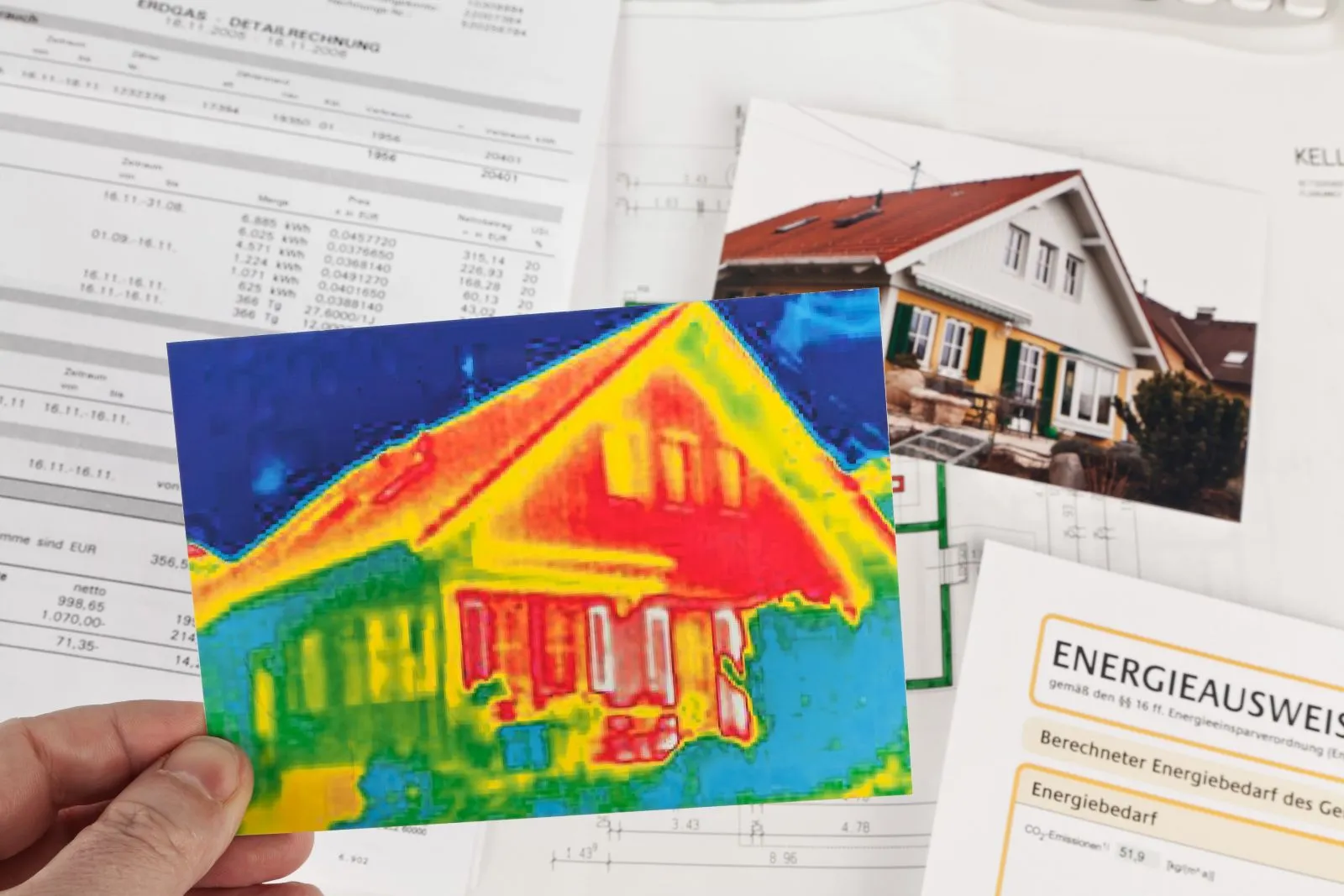
Building or renovating? Why a thermal study goes beyond simply meeting RE2020
When you decide to embark on a property project, one question inevitably arises: should you build new or renovate an existing home?
Read more →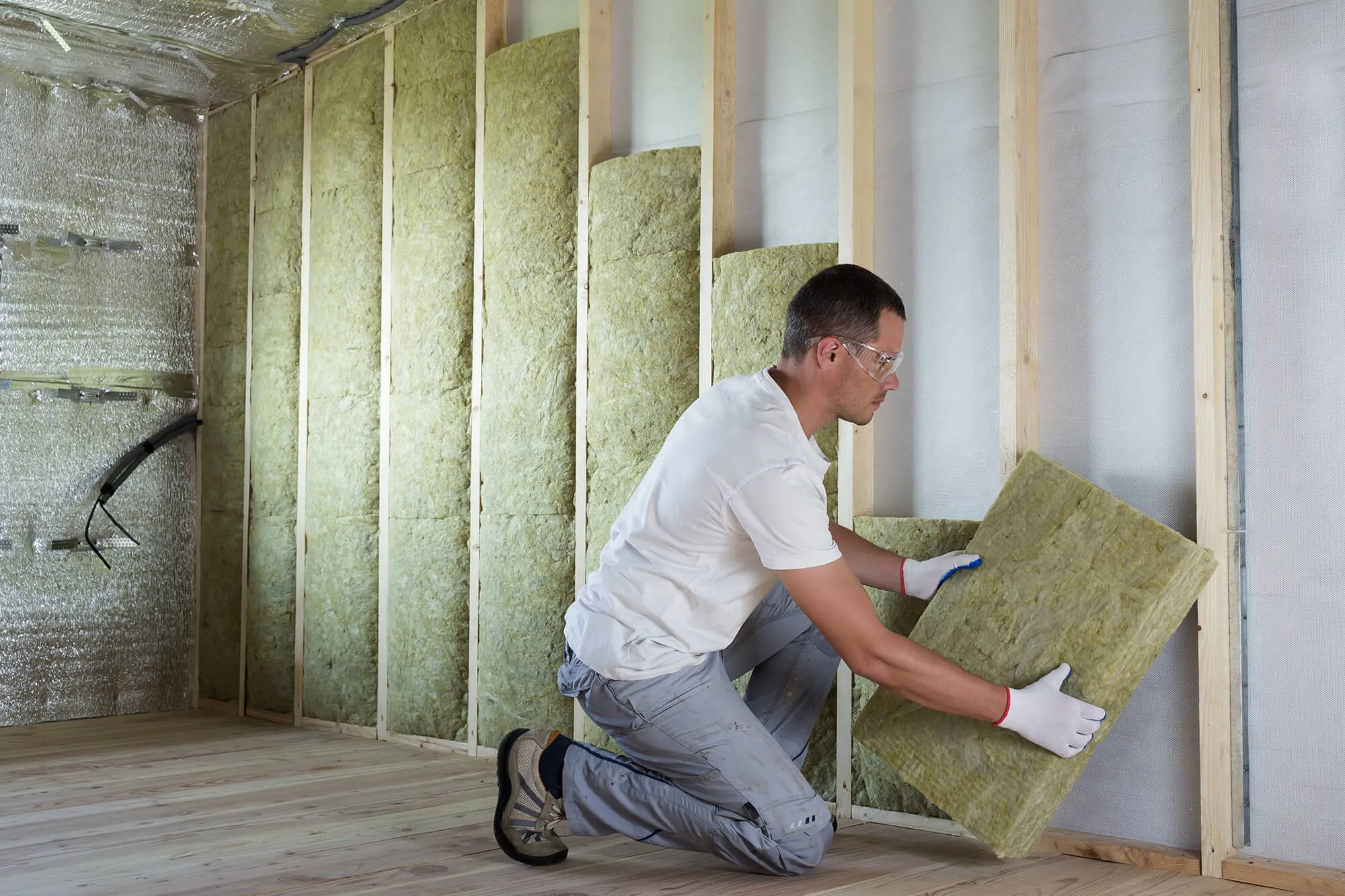
Insulation: the cornerstone of your energy renovation
In the face of rising energy prices, as well as the tightening of regulations concerning the energy transition, insulation is becoming the centrepiece of every energy renovation project.
Read more →
Changing your windows to improve your EPC rating: a miracle solution?
Among the works most frequently considered to improve your EPC rating, replacing windows is an appealing solution. But, between received ideas and technical reality, is changing the joinery really the key to improving your home’s energy rating?
Read more →