
Towards greener property: the fight against carbon sieves
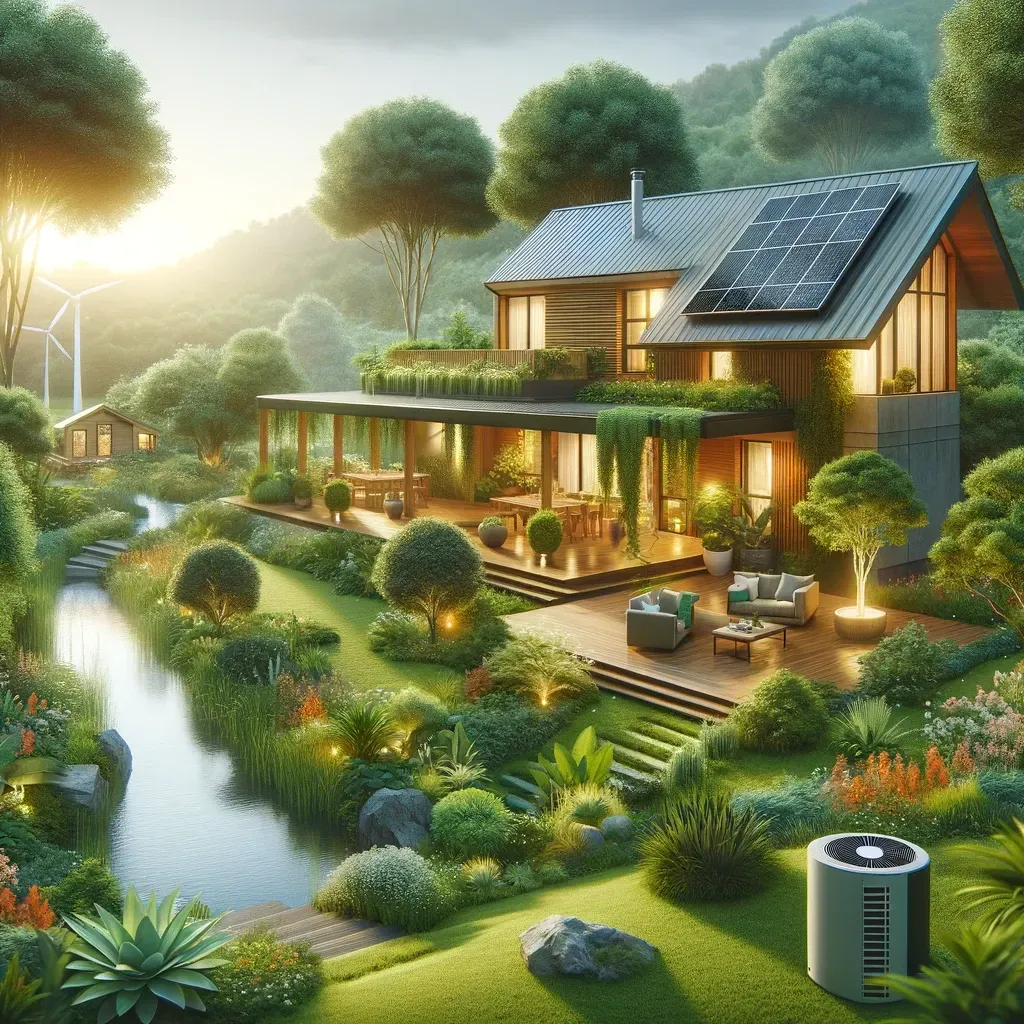
The climate challenges call for urgent and effective responses, and attention is now turning beyond energy sieves towards carbon sieves. These refer to homes that are very energy-hungry and CO2-emitting.
In a context where the climate challenges call for urgent and effective responses, attention is now turning beyond energy sieves towards carbon sieves. These refer to homes that are very energy-hungry and CO2-emitting.
The latter, major consumers of fossil fuels, represent a major challenge in the fight against global warming. The French Environment and Energy Management Agency (ADEME) recommends broadening energy renovation policies to include a carbon dimension, meaning a revision of priorities towards a more comprehensive approach.
Accelerating the energy transition in the property sector requires a comprehensive and coordinated approach, in line with the recommendations of ADEME. The fight against carbon sieves is an essential step towards achieving carbon-neutrality objectives, requiring a strong commitment in terms of energy renovation, the development of renewable energies and the deployment of efficient technologies such as heat pumps. Energy renovation is not limited to improving energy efficiency but also includes a decarbonisation dimension that is essential to meet current climate challenges.
The challenges of decarbonising the property sector
First of all, the energy and environmental context: residential buildings are responsible for a significant share of energy consumption and greenhouse gas (GHG) emissions. In France, for example, they account for around 25% of GHG emissions, mostly due to heating and hot water production.
The 2030 and 2050 objectives are as follows: European directives set ambitious targets for reducing GHG emissions, aiming for carbon neutrality by 2050. This implies a drastic reduction in emissions from the property sector over the coming decades.
Decarbonisation strategies
Replacing heating methods:
The transition towards more sustainable heating sources is essential for reducing the property sector's carbon footprint. The gradual abandonment of fossil fuels, such as gas and heating oil, in favour of renewable energies, is a central pivot of this strategy.
- Heat networks: These systems distribute heat produced from various sources, including renewable ones (biomass, geothermal, solar thermal) or recovered heat (heat from waste incineration, for example), to several buildings. They represent an effective solution, particularly in dense urban areas, by centralising energy production and optimising efficiency.
- Heat pumps (HP): HPs are a key technology, capable of drawing energy from the air, water or ground to heat or cool buildings. Their energy efficiency can be very high, particularly when they are powered by electricity from renewable sources. They are at the heart of the decarbonisation strategy, offering an effective alternative to fossil fuels. Their large-scale deployment nevertheless remains a challenge.
- Renewable gas: Biogas, produced from the methanisation of organic waste, can replace natural gas in existing infrastructure, offering a transition solution towards a circular economy.
Developing renewable energies:
The integration of renewable energies into energy networks is crucial for reducing dependence on fossil fuels and meeting decarbonisation objectives.
- Solar photovoltaic and thermal: The installation of solar panels on building roofs makes it possible to produce electricity or hot water locally, thereby reducing demand on the grid and the losses associated with energy transport.
- Wind power: Although better suited to open spaces, wind power can contribute to the production of renewable electricity for buildings via the grid, or sometimes, in specific cases, via local installations.
- Hydroelectricity and other sources: Hydroelectricity, geothermal energy and other renewable energy sources can also be integrated into regional energy strategies to supply clean electricity to buildings.
Thermal insulation as a priority:
Effective thermal insulation is fundamental for reducing the energy demand of buildings, by minimising heat losses in winter and heat gains in summer.
- Innovative materials: The use of high-performance and durable insulating materials (rock wool, wood fibre, expanded polystyrene, etc.) in walls, roofs, and floors is an essential practice.
- Modern techniques: External insulation techniques make it possible to renovate the envelope of buildings without reducing the interior living space, while improving the building's appearance and value.
- Comprehensive energy renovation: Insulation is part of a broader energy renovation project that also includes replacing windows, improving ventilation systems, and installing more efficient heating and cooling solutions.
These decarbonisation strategies require a strong commitment from stakeholders in the property sector, as well as political and financial support from public authorities. Together, they can significantly transform the environmental impact of the property stock, making it more resilient in the face of future energy and climate challenges.
Towards a ban on gas? Prospects and alternatives
The current situation and prospects
The debate on banning gas in new constructions and, ultimately, throughout the property stock, is gaining momentum in the face of the climate emergency. This discussion rests on the need to significantly reduce greenhouse gas emissions, for which the construction sector plays a leading role. Natural gas, although less polluting than other fossil fuels, remains a significant source of CO2 and atmospheric pollution. In this context, several countries and regions are considering, or have already begun, to limit or even ban the installation of gas heating systems in new constructions.
This move towards a ban raises the question of possible and viable alternatives for heating and hot water production. The technologies exist, such as heat pumps, which offer superior energy efficiency and the possibility of using decarbonised electricity. Other solutions, such as biomass heating, urban heat networks powered by renewable sources or solar thermal, are also developing. The transition towards these alternatives nevertheless requires significant investment, both in terms of infrastructure and the training of professionals.
Adapting to climate change
Adapting buildings to climate change has become an essential component of energy renovation. More frequent and more intense heatwaves make it necessary to rethink the insulation and ventilation of homes to guarantee the comfort of occupants without resorting excessively to air conditioning, which is itself energy-hungry and a contributor to global warming. Advanced thermal insulation solutions, coupled with natural or controlled mechanical ventilation systems, can significantly improve the resilience of buildings in the face of high temperatures.
Furthermore, the integration of passive cooling solutions, such as green roofs, green façades, or even the use of reflective materials, helps to reduce the need for air conditioning. These strategies, in addition to improving thermal comfort, contribute to the fight against urban heat islands, a phenomenon exacerbated by the massive use of heat-absorbing materials and the low presence of vegetation in urban environments.
Conclusion
Technological advances, combined with suitable support policies and a collective awareness, offer unprecedented opportunities to transform the property sector. The benefits go well beyond the reduction of greenhouse gas emissions, including substantial energy savings for households, an improvement in quality of life and the enhancement of property assets.
The implementation of these strategies calls for concerted efforts on the part of public authorities, construction professionals, energy suppliers, and crucially, the occupants themselves. Financial aid and tax incentives play a key role in facilitating this transition, but the commitment and innovation of the private sector are also indispensable for developing ever more efficient and accessible solutions.
The prospect of a gradual ban on gas, although a source of debate, underlines the urgency of rethinking our methods of heating and hot water production. Alternatives such as heat pumps, biomass boiler plants, and geothermal or solar heat networks, are part of a sustainable vision of housing, compatible with the imperatives of adapting to climate change.
In conclusion, the fight against carbon sieves is an essential component of the strategy for greener property. It requires a general mobilisation and continuous innovation to meet the technical, financial and social challenges. The objective of carbon neutrality is not only a constraint but an opportunity to build a sustainable, resilient and inclusive future for all.
Related diagnostic
Energy audit
A property project? Get a quote for your diagnostics.
Related articles
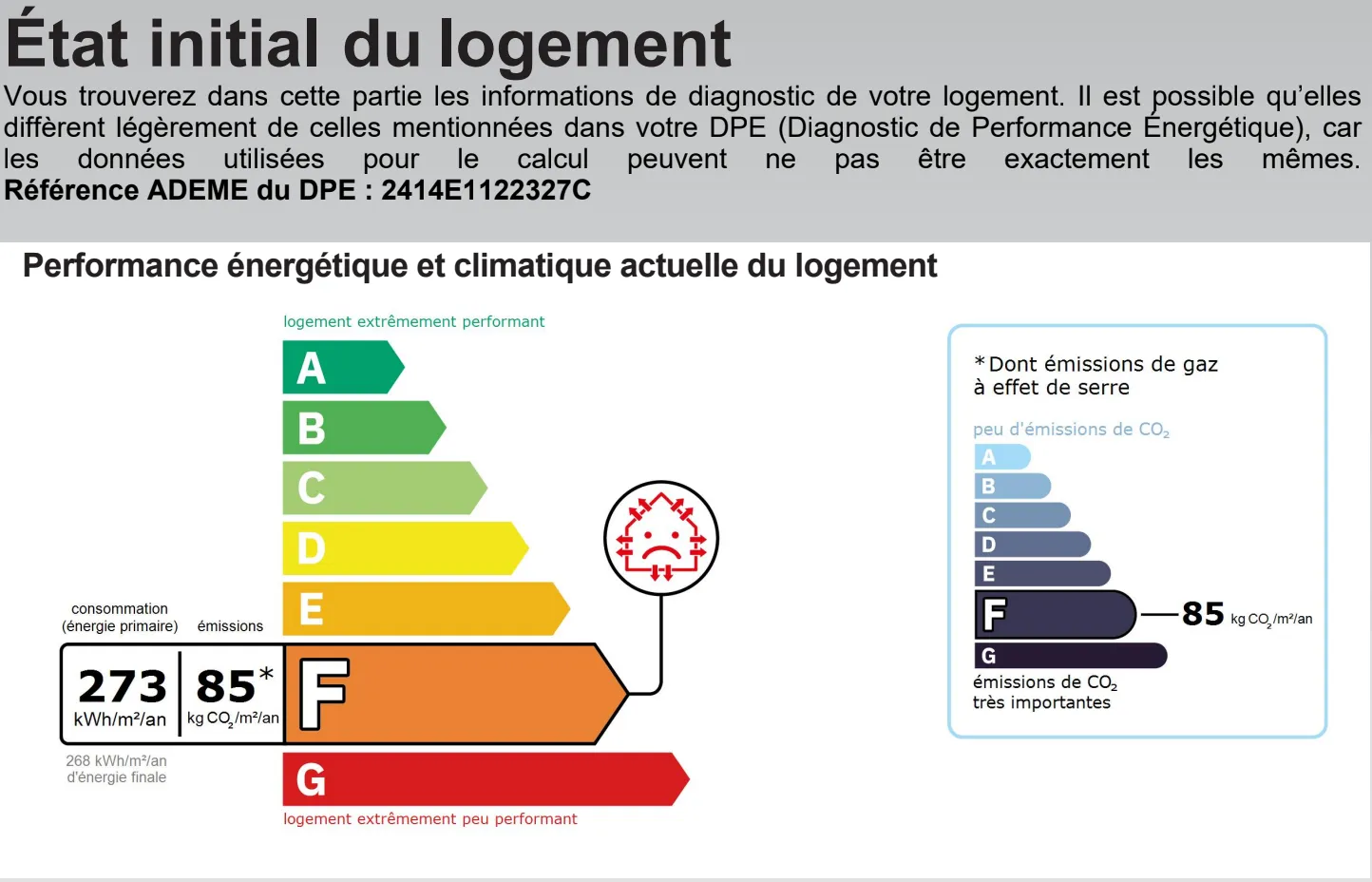
Why have an energy audit carried out in Normandy? Discover your long-term benefits
Normandy, with its historic buildings and charming country houses, is often faced with the challenge of energy sieves. In this article, we will explore why it is crucial for Normandy homeowners to consider an energy audit. Ready to find out how you
Read more →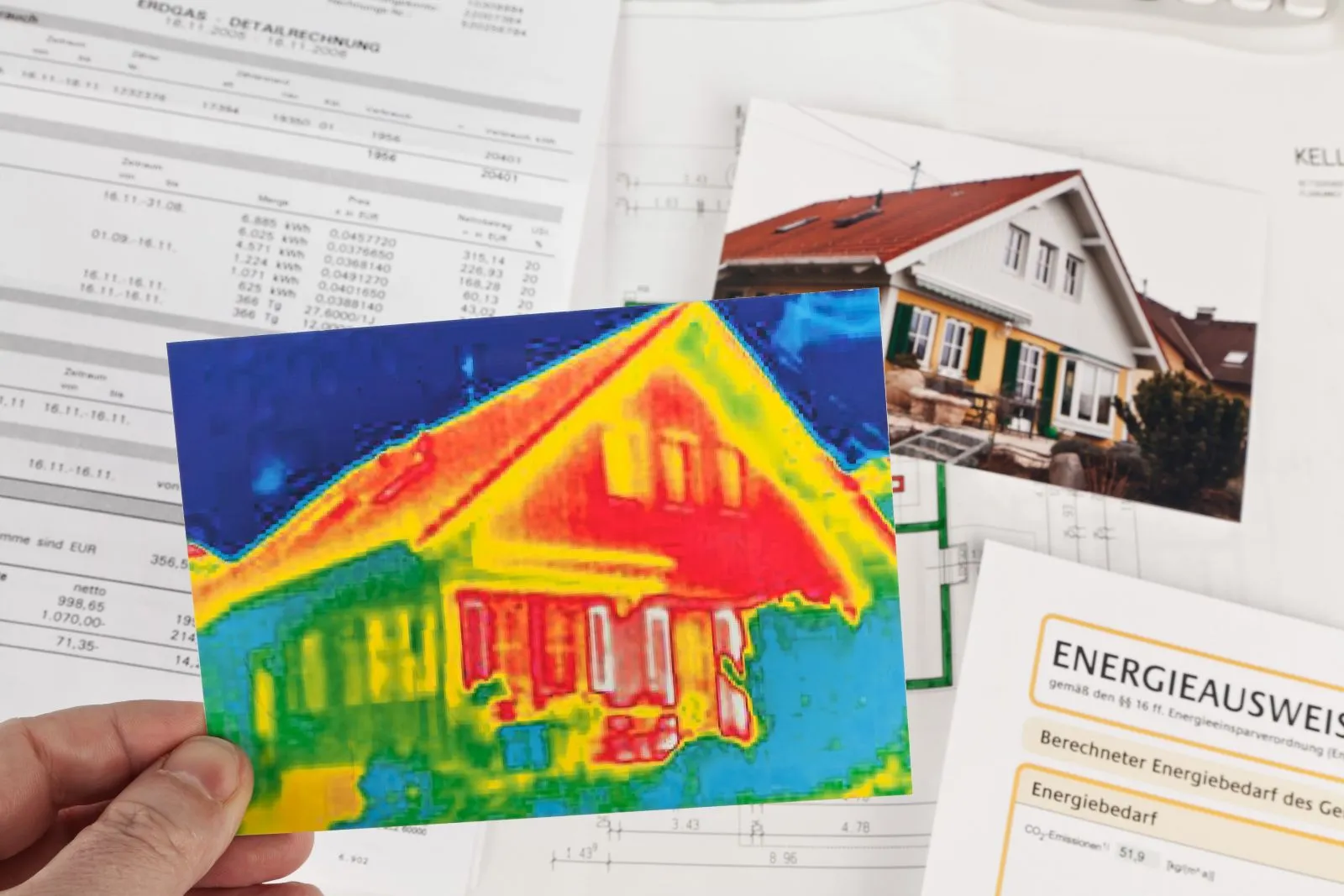
Building or renovating? Why a thermal study goes beyond simply meeting RE2020
When you decide to embark on a property project, one question inevitably arises: should you build new or renovate an existing home?
Read more →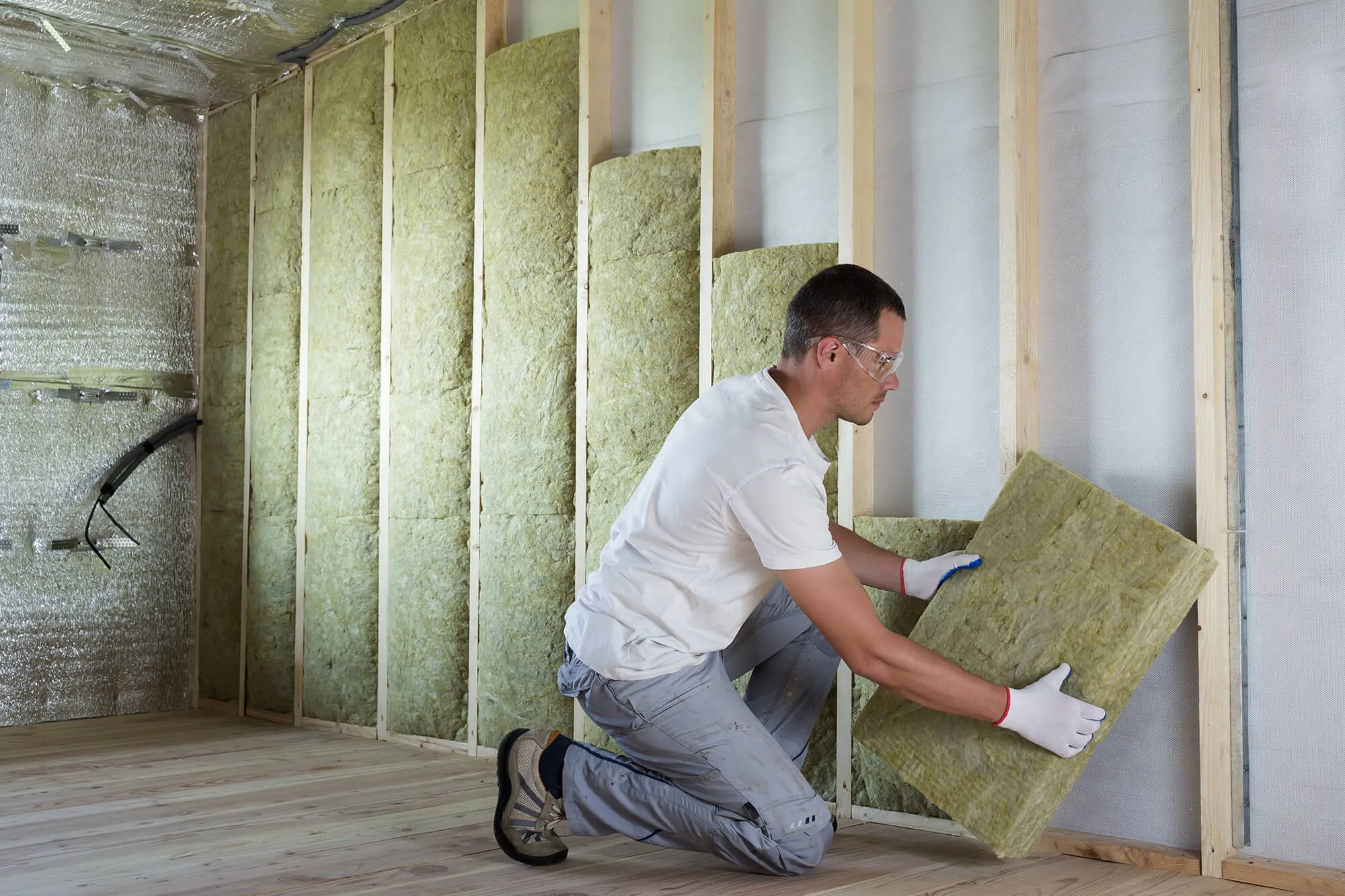
Insulation: the cornerstone of your energy renovation
In the face of rising energy prices, as well as the tightening of regulations concerning the energy transition, insulation is becoming the centrepiece of every energy renovation project.
Read more →