What's new for the EPC in 2024: what you need to know
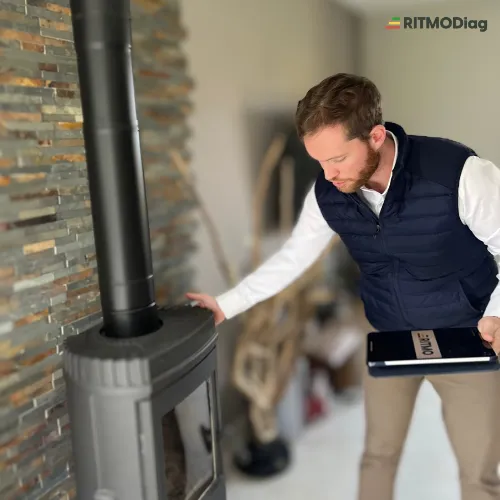
As 2024 dawns, the EPC is undergoing major transformations, heralding profound changes for both property owners and future occupants. We are going to analyse them.
Introduction
In a world where the energy performance of buildings is becoming as crucial as their location or their architecture, the Energy Performance Certificate (EPC) sits at the heart of the concerns of owners, landlords, as well as buyers and tenants. As a decisive tool in the property sector and a vehicle for environmental commitments, the EPC significantly influences property decisions in France.
As 2024 dawns, the EPC is undergoing major transformations, heralding profound changes for both property owners and future occupants. These developments, driven by a desire to strengthen energy efficiency and reduce the ecological footprint of homes, require an updating of knowledge and strategies for all players in the property market.
Why are these changes important? How will they affect your property or your selection criteria as a buyer or tenant? What new obligations should you anticipate and what opportunities might arise from them? This article offers you a complete overview of the answers to these questions, guiding you through the maze of new regulations.
This is not the first time the EPC has undergone significant changes. By exploring our article on « The Energy Performance Certificate (EPC) in France: rules, laws and impact on property », you will discover how the diagnostic has evolved to become a central element of property transactions and asset management.
So what are the changes planned for 2024 and how might they concretely impact owners and future occupants? This article will reveal everything you need to know to navigate this new regulatory landscape with confidence. Follow us in this detailed exploration to anticipate the necessary adaptations and maximise your advantages under the new EPC provisions.
Key changes in EPC regulations in 2024
The Energy Performance Certificate (EPC) is constantly evolving to align with energy transition objectives and environmental requirements. In 2024, the property sector must prepare to integrate significant changes in EPC regulations, thus affecting the way the energy performance of buildings is assessed, reported and improved. These changes aim to make the EPC more accurate, reliable and useful for all the stakeholders concerned.
Updating assessment methodologies
The first major new development in 2024 concerns the assessment method used to determine a property's EPC score. The authorities have revised the protocols to incorporate new scientific and technical data, making diagnostics more representative of the energy reality of buildings. This methodological revision could lead to changes in EPC scores for certain properties, with a direct impact on their energy rating.
To understand these changes in detail, consulting the official guide to the new EPC assessment method on the website of the Ministry for Ecological Transition can offer valuable insights.
New energy performance criteria
With the 2024 update, new criteria are being incorporated into the calculation of energy performance, such as indoor air quality or the environmental impact of construction materials. These criteria reflect a growing awareness of the environmental and health issues linked to the building sector. The addition of these new criteria means that a property's energy performance will no longer be assessed solely on its energy consumption, but also on its overall ecological impact.
For those who wish to delve deeper, the article EPC, the new measures for homes under 40m2 on our website offers a comprehensive exploration of the new developments concerning homes under 40m2.
Changes to improvement recommendations
The recommendations for improving the energy performance of properties are also undergoing an overhaul. Not only will the proposals be more detailed and personalised, but they will also include more precise estimates of costs and returns on investment. These recommendations aim to encourage owners to undertake energy renovations by providing them with clear information on the potential economic and environmental benefits.
These changes to EPC regulations for 2024 mark an important step towards a deeper awareness of the importance of energy efficiency and sustainability in the property sector. They aim to provide all market players with more accurate and useful information, thus facilitating the transition to a greener and more sustainable property stock.
To stay up to date with the latest information and advice on the EPC and energy performance, keep consulting our website www.ritmodiag.com, your reliable and up-to-date source of information in the field of property diagnostics.
Impact on owners and landlords
With the EPC reforms in 2024, owners and landlords find themselves facing a new era of responsibilities and opportunities. These changes have been designed to encourage the improvement of the energy performance of the French property stock, with a direct impact on owners' obligations and the characteristics of properties on the market.
New obligations for owners
The revisions made to the EPC introduce a series of new legal obligations for owners and landlords. Among the most notable is the need to carry out a more comprehensive energy diagnostic before putting a property up for sale or rent. This diagnostic must now include an assessment of indoor air quality and an estimate of the property's carbon footprint.
In addition, owners of properties rated F or G, the least energy-efficient, will now be required to carry out energy improvement works in order to continue renting them out. This forms part of the national low-carbon strategy and the fight against “energy sieves”.
For an exhaustive list of the new obligations, the website of the Ministry for Ecological Transition offers detailed resources.
Consequences for properties rated F and G
Properties rated F and G, i.e. the most energy-intensive, are particularly affected by the EPC reform. Owners of these properties now face a choice: invest in energy renovation works or face a significant devaluation of their property. Ultimately, these properties could become unsellable or unrentable, which represents a considerable financial risk for owners.
This measure aims to accelerate the renovation of the French property stock to make it more energy-efficient and more environmentally friendly. It strongly encourages owners to consider renovations, sometimes supported by government financial assistance.
Impact on buyers and tenants
The new EPC provisions in 2024 also influence the dynamics of the property market from the point of view of buyers and tenants, changing their expectations and selection criteria.
What buyers should check
Potential buyers must now pay increased attention to the energy performance of properties. In addition to the usual criteria such as location or the size of the property, the EPC is becoming a decisive factor. Buyers are advised to check not only the property's current energy rating but also the improvement recommendations and the existence of energy renovation works already carried out or planned.
This can influence both the purchase decision and price negotiation, as a property with a better EPC is likely to generate lower future energy costs and enhance the investment over the long term. To check your EPC you can contact a professional at Ritmodiag.
Advantages for tenants
For tenants, the EPC reforms offer promising prospects in terms of living comfort and control of energy expenditure. Better-rated homes will not only be more pleasant to live in, thanks to better insulation and optimised indoor air quality, but they will also allow significant savings on energy bills.
The new regulations encourage landlords to invest in the energy improvement of homes, which should gradually increase the quality of the available rental stock.
How to prepare for the new EPC developments?
The entry into force of the new EPC regulations in 2024 requires careful preparation on the part of owners, buyers and tenants. Here is a practical guide to navigating these changes and making the most of them.
For owners: Step-by-step guide
- Initial assessment: Start by having a new EPC carried out by a certified professional to find out the current energy rating of your property and identify areas for improvement.
- Analysis of recommendations: Study the energy improvement recommendations provided in the EPC report. These may include measures such as improving insulation, updating the heating system, or installing double-glazed windows.
- Planning the works: Draw up a works plan taking into account your budget, the financial assistance available, and the urgency of the recommended interventions. Prioritise the works that have the best return on investment in terms of energy savings.
- Searching for financial assistance: Find out about the grants and financial assistance offered by the government, local authorities, or other bodies. Schemes such as MaPrimeRénov’ can cover a significant part of the cost of energy improvement works.
- Carrying out the works: Call on qualified professionals to carry out the energy improvement works. Make sure that these works are carried out in accordance with the standards in force.
- Reassessment of the EPC: Once the works are completed, have a new EPC carried out to obtain an update of your property's energy rating. This will increase its value and appeal on the market.
For buyers and tenants: Tips for using the EPC as a decision-making tool
- Interpreting the EPC: Learn to read and understand the EPC, focusing not only on the overall energy rating but also on the details of energy consumption and CO2 emissions.
- Assessing future energy costs: Use the information provided by the EPC to estimate the future energy costs of the property. A better-rated property will allow you to make savings over the long term.
- Consideration of improvement works: If the property you are considering buying or renting requires energy improvement works, assess the cost of these works and their potential impact on comfort and energy expenditure.
- Negotiation: Use the EPC as a negotiating tool. A low energy rating can give you leverage to negotiate the purchase or rental price.
- Long-term planning: Consider the property's potential for energy improvement in your decision. An initial investment in the works can translate into considerable savings and greater comfort over the long term.
By adopting a proactive approach to the new EPC developments, owners, buyers and tenants can not only comply with the new regulations but also contribute to the collective effort towards a more sustainable and energy-efficient property stock. To be supported under the best conditions, contact us here.
FAQ: Frequently asked questions about the EPC changes in 2024
As professionals, we are regularly confronted with questions concerning the changes made to the Energy Performance Certificate (EPC) in 2024. Here are the answers to the most common questions, which reflect the main concerns of owners, landlords, buyers, and tenants.
- What are the main changes made to the EPC in 2024?
The EPC changes in 2024 include an update to the assessment methodology to incorporate more precise and comprehensive criteria, such as indoor air quality and the carbon footprint of construction materials. In addition, the diagnostic report will include more detailed and personalised energy improvement recommendations, with an estimate of potential costs and returns on investment.
- How do the new EPC criteria affect my property's energy rating?
The new criteria are designed to provide a more complete and faithful assessment of the actual energy performance of buildings. This means that some properties could see their energy rating change, depending on their compliance with the new standards. Buildings that use eco-friendly materials and have good indoor air quality could benefit from a better assessment.
- As an owner, am I required to carry out energy improvement works?
Yes, especially if your property is rated F or G, you will be required to carry out energy improvement works to put it back on the rental or sales market. These works are necessary to meet the objectives of reducing energy consumption and CO2 emissions. Financial assistance is available to support these initiatives.
- What are the advantages of a well-rated EPC for buyers and tenants?
A well-rated EPC indicates not only that the property is more energy-efficient, but also that it offers greater living comfort thanks to effective insulation and better indoor air quality. For buyers, this translates into long-term savings on energy bills and potentially a capital gain on resale. For tenants, it means reduced heating and air-conditioning costs.
- How can I obtain an EPC for my property and who can carry it out?
The EPC must be carried out by a certified professional diagnostician. You can find certified diagnosticians by consulting professional directories or specialist websites in the energy and building fields. It is important to choose a professional who follows the new EPC assessment methodology to guarantee the accuracy and compliance of your diagnostic. For this, you can contact Ritmodiag.
Conclusion
Throughout this article, we have explored in detail the significant changes made to the Energy Performance Certificate (EPC) in 2024, highlighting the importance of these developments for owners, landlords, buyers, and tenants. These changes reflect a growing commitment to improving the energy performance of buildings, in line with broader environmental objectives.
These changes represent an opportunity for all players in the property market to act in favour of the environment while optimising the value of their property assets. For owners and landlords, investing in energy improvements is not only a regulatory obligation but also a chance to increase the appeal and value of their properties. For buyers and tenants, choosing high-energy-performance properties is becoming a wise choice for living comfort and reducing energy expenditure.
We strongly encourage the implementation of the recommendations mentioned to improve energy performance. This starts with an accurate and up-to-date assessment of your property. To obtain an estimate of your EPC in line with the latest regulations, we invite you to visit the “Estimate your EPC” section on our website www.ritmodiag.com. It is the first step towards a more sustainable, more comfortable property that better meets tomorrow's requirements.
By taking part in this evolution, together we contribute to building a more responsible and sustainable energy future for our homes.
Related diagnostic
EPC (Energy Performance Certificate)
A property project? Get a quote for your diagnostics.
Related articles

Property, EPC, energy renovation - where do we stand?
As the regulations surrounding the Energy Performance Certificate (EPC) and renovation are constantly evolving, many buyers and sellers are wondering: is it still worth investing in a property to renovate?
Read more →
The impact of energy regulations on the property market in 2024: what owners need to know to be compliant
The property market in France is undergoing a major transformation, driven by legislative developments that directly affect owners and investors.
Read more →
Property diagnostics in Normandy: understanding them better and who to choose
Property diagnostics are mandatory assessments when selling or letting a property in France. They inform buyers or tenants about certain aspects of the house or flat, particularly in terms of safety and energy performance.
Read more →