
What is an EPC?
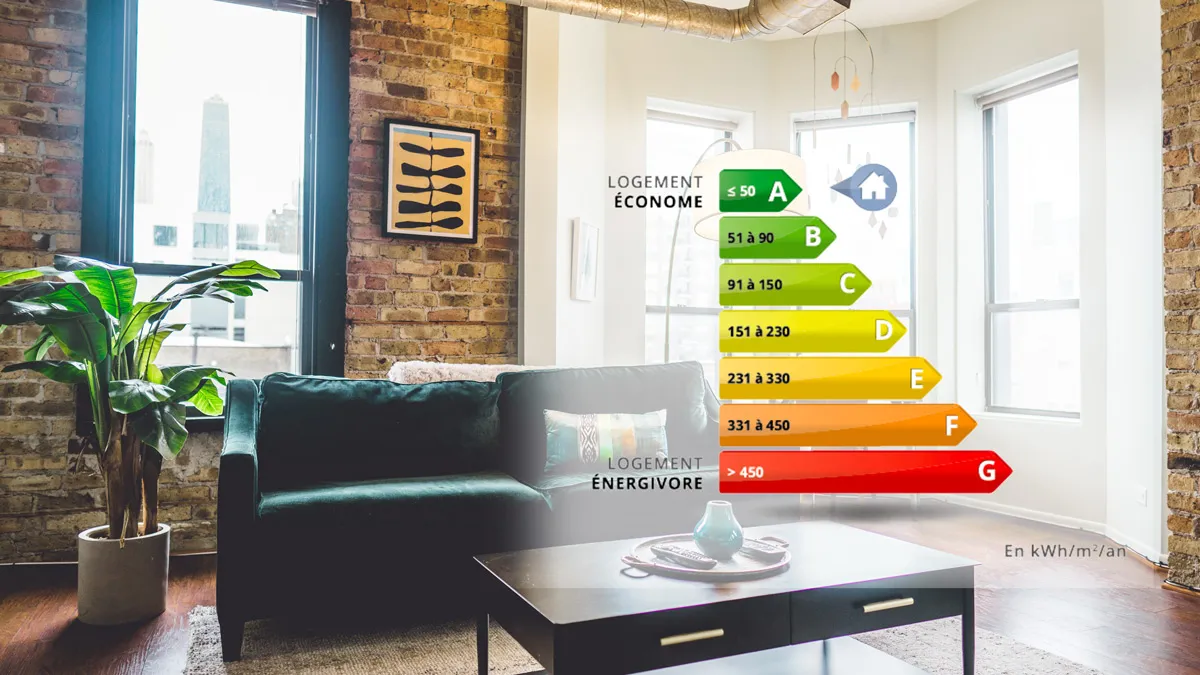
In 2023, obtaining an EPC for a rental agreement or a deed of sale is mandatory. Discover the specifics.
The Energy Performance Certificate is a property diagnostic that addresses environmental challenges in the housing sector. In France, the building stock is ageing and, given the current climate context, this highlights the concept of the energy sieve: homes with poor insulation. The EPC is a document that calculates the energy performance of a home and rates it from A to G according to its consumption. In 2023, the regulations are changing and the method for calculating a home's rating is being revised. RITMO-Diag explains everything in this guide.
What is specific to an EPC
As we mentioned in the summary of this article, the EPC, or Energy Performance Certificate, measures the energy performance of a home or building.
This scheme was introduced in France in 2006. It reflects the aim of establishing an energy policy defined more broadly at European level. The objective is to include the management of building stock, homes and buildings in the progress being made on climate action and to limit greenhouse gas emissions.
The labelling system
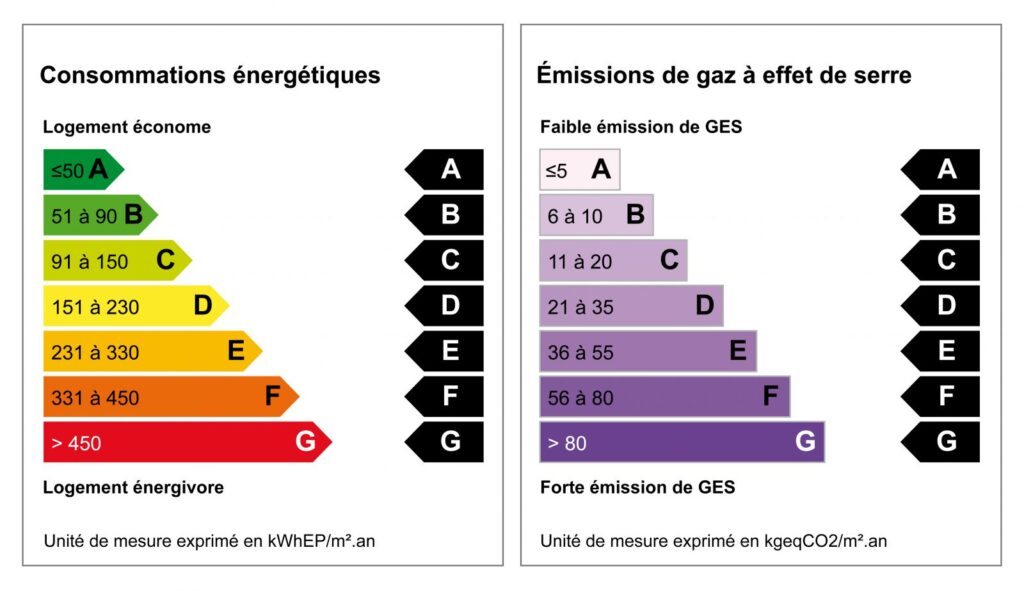
Once the EPC is complete, the assessor in charge of the analysis will be able to provide two labels: energy and climate (usually within 48 hours).
The energy label provides a letter from A to G, with A representing the most energy-efficient homes and G the most energy-hungry ones. A figure in kilowatt-hours is also shown.
The climate label, also a letter from A to G, indicates the home's greenhouse gas emissions, which are likewise expressed in carbon dioxide.
What the EPC contains
In addition to the label that rates the home's energy performance, the EPC must include the following:
- The energy-climate label
- Recommendations for improving the home's energy performance
- The precise floor area of the home
- An estimate of annual energy costs
- A summer comfort and building envelope indicator
A tool to help choose a home
For sellers and tenants alike, the EPC thus becomes an important selection criterion that helps anticipate significant costs relating to the home's energy consumption.
Period of validity
An EPC is valid for 10 years. In addition, a body, ADEME, oversees the submission of EPCs, allowing them to be authenticated and preventing scams around the issuing of diagnostics. A 13-digit number identifies each EPC. Without this number, the EPC is considered invalid.
There are, however, exceptions to the period of validity of EPCs:
- If your EPC was carried out between 1 January 2013 and 31 December 2017 (inclusive), it will expire on 31 January 2022.
- If your EPC was carried out between 1 January 2018 and 30 June 2021 (inclusive), it will expire on 31 December 2024.
These exceptions reflect the various changes in the calculation methods used to produce the diagnostics. It is therefore important to check whether your EPC needs renewing in order to comply with the 2022 climate act.
Who can carry out an EPC
The diagnostic of your property must be carried out by a certified assessor. Often a self-employed professional, they must have taken out professional indemnity insurance.
At RITMO-Diag, we carry out your EPCs throughout Normandy.
How an EPC works
With RITMO-Diag, an expert contacts you after you have expressed your interest in obtaining an Energy Performance Certificate. Together we confirm the requirements for producing the EPC and check the information about your home to best prepare for the assessor's visit.
This preliminary discussion is completely free and with no obligation; you can request it directly from our website or by booking an appointment directly in our expert's calendar.
After this discussion, a final quote will be sent to you and we will propose a visit date to suit your availability.
Ahead of the assessor's visit, a summary email will also be sent to you listing all the documents and items you need to gather and provide on the day of the visit. These documents must be handed to our assessor on the day itself.
Within 48 hours of the visit, our technician submits the information about your diagnostic to ADEME to obtain the 13-digit identification code that certifies the validity of your EPC. Within the same timeframe, you receive a full report drawn up by our expert, including all the elements of your EPC, from the energy-climate labels to the recommendations for optimising your home's performance.
How much does an EPC cost
The price of an EPC in 2023 is not regulated. Prices typically range between €150 and €250.
The price generally varies according to your home's characteristics:
- The year your home was built
- The floor area to be assessed in m²
- The number of rooms to be assessed
- The type of property (is it a flat or a house)
- The heating system installed in your property
To give you a transparent and highly competitive price, we have built an algorithm on our website that estimates the price of your EPC. You can access it by clicking the button below.
What changes in 2023 for EPCs
The calculation method
Since July 2021, the method for determining your home's energy-climate labels has changed. Note that a major update was also introduced in October 2021. In practice, it is therefore the 3CL-DPE method that is used to measure the energy performance of properties in 2023.
The 3CL-DPE method
This method takes two main factors into account when calculating your home's energy performance.
- The primary energy of your building/home: the expert analyses energy-consuming appliances such as the heating system, ventilation, lighting, and so on. With this information, they can determine the amount of energy consumed and assign the energy label.
- The greenhouse gas emissions released by your home based on the data collected. This value is expressed in kg CO2 eq/m².year.
In practice, the 3CL-DPE calculation method allows a closer match to the home's actual energy performance by taking insulation and its quality into account. The old calculation method relied on the energy bills of the people living in the property, a calculation that was skewed by comfort preferences that affect a home's energy consumption.
Ban on renting out energy sieves
Since 1 January 2023, in addition to being one of the mandatory technical diagnostics required to draw up a rental lease, the EPC can completely change your ability to rent out your property. Indeed, all class G properties are entirely banned from being rented out.
It is worth noting that only the primary energy label of your EPC is taken into account when classifying your home as an energy sieve.
You will then need to plan renovation works that address the recommendations in your EPC in order to raise the energy label rating and enable you to sign a lease with your future tenants.
Requirement to have an energy audit for single-family homes or the sale of a building owned by a single person
In the case of a property transaction, if you own a single-family home or an entire building that is rated F or G, you will be required to carry out an energy audit in addition to your obligation to provide an EPC.
These documents make you liable if the information you provided when the diagnostics were carried out turns out to be inaccurate.
To sum up:
- An EPC is a diagnostic that determines the energy performance of your property.
- A new, more reliable calculation method has been in place since October 2021, as it focuses on the quality of insulation and technical characteristics of your home rather than on energy bills.
- All homes rated G have been banned from being rented out since 1 January 2023
- For single-family homes, an EPC rated F or G requires you to carry out an energy audit in addition to the Energy Performance Certificate.
Related diagnostic
EPC (Energy Performance Certificate)
A property project? Get a quote for your diagnostics.
Related articles

Property, EPC, energy renovation - where do we stand?
As the regulations surrounding the Energy Performance Certificate (EPC) and renovation are constantly evolving, many buyers and sellers are wondering: is it still worth investing in a property to renovate?
Read more →
The impact of energy regulations on the property market in 2024: what owners need to know to be compliant
The property market in France is undergoing a major transformation, driven by legislative developments that directly affect owners and investors.
Read more →
Property diagnostics in Normandy: understanding them better and who to choose
Property diagnostics are mandatory assessments when selling or letting a property in France. They inform buyers or tenants about certain aspects of the house or flat, particularly in terms of safety and energy performance.
Read more →