
 By Tristan TORNATORE
Mandatory diagnostics for student housing: what to prepare before renting for the 2026 academic year?

EPC, lead, electrical, gas, ERP, noise, asbestos, floor area: a complete overview of the diagnostics to prepare before renting a studio, a one-bed flat or a shared flat to students for the 2026 academic year, without holding up the lease signing.
The start of the academic year is rarely something to leave to the last minute. For a landlord, an estate agent or an investor who wants to rent out a studio, a one-bed flat, a self-contained room or a shared flat to students, the stakes are simple: publish a compliant listing, sign quickly, reassure the parents acting as guarantors and avoid an incomplete file blocking the move-in.
Mandatory diagnostics for student housing are not a single diagnostic. They are a set of documents, most of which are grouped together in the technical diagnostic file (the DDT) to be handed to the tenant when the lease is signed. Even if the home is small, furnished, rented for nine months or intended for a student, the property diagnostic requirements remain largely the same as for a standard rental used as a main residence.
For the 2026 academic year, planning ahead matters all the more because the regulatory timetable around energy performance is gradually tightening. A home rated G is already a blocking issue for renting out a main residence, and homes rated F will be affected by the rental ban from 2028. If you are preparing a student buy-to-let investment or a re-letting between two academic years, it is therefore better to check the diagnostics before the summer, not the day before handing over the keys.
Why are diagnostics essential when renting to a student?
Student housing is often rented in a tense context: strong demand between June and September, quick viewings, files sent in a hurry, and signing sometimes done remotely with parents or guarantors. In this context, property diagnostics play three key roles.
First, they secure the lease legally. The landlord must inform the future tenant about energy performance, certain risks linked to the building, the internal installations and the property's surroundings. An incomplete file can delay signing or weaken the rental relationship.
Second, they reassure the occupants. A student and their parents want to know whether the home is properly heated, whether the electrical or gas installations are safe, and whether the home is exposed to natural or technological risks or to aircraft noise. On small floor areas, the EPC is also a concrete argument for anticipating running costs.
Finally, they help the landlord avoid nasty surprises. A poor EPC, an old electrical installation or a positive lead report do not necessarily mean the home cannot be rented, but this information must be known before publishing the listing and before setting a re-letting schedule.
Which diagnostics are mandatory for student housing?
For an unfurnished or furnished rental, including one intended for a student, the landlord must provide the diagnostics applicable to the home's situation. The main diagnostics to prepare are as follows.
1. The EPC, the central diagnostic from the listing stage
The energy performance certificate (EPC) is generally the first document to check. It rates the home from A to G according to its energy and climate performance. It is mandatory for renting out a residential home, apart from a few limited exceptions.
For student housing, the EPC is particularly important for three reasons:
- it must be available as soon as the listing goes live, because the energy label and the climate label must be communicated;
- it lets the future tenant estimate the level of comfort and running costs;
- it determines whether the home can be rented in view of the energy decency rules.
For the 2026 academic year, a home rated G should not be treated as a simple "energy-hungry home": it can pose a real problem for renting out. Homes rated F remain rentable in 2026 subject to meeting the other decency criteria, but they enter a medium-term risk zone, since the rental ban on F-rated homes is planned from 2028.
For studios and small floor areas under 40 m², the reform that came into force in 2024 changed some EPC thresholds to better account for their specificities. This does not remove the need to carry out the diagnostic, but it can change the analysis of a small student home.
Good reflex for 2026: if the EPC is old, if works have been carried out, or if the label is F or G, take stock before the summer. That leaves time to study useful works or to update the file.
2. The CREP, the lead diagnostic for homes built before 1949
The lead exposure risk assessment (CREP) applies to homes built before 1 January 1949. It mainly targets old paint that may contain lead.
In student housing, this diagnostic can be overlooked because the property is small or renovated. Yet it is the year of construction that triggers the requirement, not the floor area or the tenant's profile. An old studio in a city centre, common in student markets, can therefore be affected.
The CREP identifies coatings containing lead and their condition. If it reveals a risk, the landlord must take the appropriate measures before renting under good conditions.
3. The electrical diagnostic if the installation is more than 15 years old
The condition of the internal electrical installation is mandatory when the installation is more than 15 years old. For a student studio, this point deserves particular attention: multi-plug adaptors, electric hotplates, heating, a computer, chargers, small appliances… usage can be intensive in a small floor area.
The electrical diagnostic does not bring the installation "up to new-build standards". It identifies anomalies that could present a danger to occupants. For a landlord, it is a prevention tool: it is better to discover a fault before the viewing or the lease signing than during the entry inventory.
4. The gas diagnostic if the installation is more than 15 years old
If the home has an internal gas installation more than 15 years old, a gas diagnostic must be provided. It covers in particular the risks of leaks, carbon monoxide poisoning and explosion.
Many student homes are heated with electricity, but some older flats still have an individual boiler, a gas cooker or a gas installation. In that case, the diagnostic is essential before renting out.
5. The risks and pollution statement (ERP)
The risks and pollution statement (ERP) informs the tenant about the risks linked to the property's address: natural, mining, technological, seismic, radon or other regulated zones. The ERP is required when the home is located in a regulated zone or perimeter.
Unlike other diagnostics, the ERP can be drawn up directly by the landlord using official information. However, it must be accurate and up to date. In practice, many owners prefer to include it in their diagnostics order to avoid an error of zone or date.
Point to watch: the ERP must be less than six months old at the time the lease is signed.
6. The airport noise diagnostic (ENSA) if the home is affected
If the property is located in an airport noise exposure zone, a noise information document must be given to the tenant. This point is sometimes overlooked in student rentals, even though it can affect certain municipalities or neighbourhoods.
Like the ERP, this document can be drawn up by the landlord, but it must match the home's real situation.
7. The asbestos file: to be kept available in certain cases
The subject of asbestos is often misunderstood in rentals. For flats located in a building whose planning permission predates 1 July 1997, the landlord may be affected by an asbestos file for the private areas. This diagnostic is not always appended to the lease like the other documents, but it must be able to be kept available to the tenant on request.
For the owner of an old studio in a co-ownership building, especially in a city centre, it is therefore wise to check whether the asbestos file exists before renting out.
8. Floor area and the home's decency
The habitable floor area is not always presented as a "diagnostic" in the same way as the EPC or lead, but it is essential in a rental. The lease must state the home's habitable floor area, and the home must meet the decency criteria, including a minimum floor area.
For student housing, the temptation can be strong to rent out a very small floor area, a converted room or a repurposed space. That is precisely where the risk increases. A space located in a basement, a home that is insufficiently ventilated, poorly lit or that does not meet the minimum decency criteria must not be offered as a main residence.
Reliable measurement helps avoid a later dispute and secures the listing, the lease and the inventory.
Furnished student rentals: do the diagnostics change?
No, renting furnished to a student does not remove the applicable diagnostics. A nine-month furnished student lease remains a residential rental. The mandatory diagnostics therefore depend on the nature of the property, its age, its installations and its location.
The difference lies more in the additional documents: furniture inventory, detailed statement of equipment, adapted lease, security deposit, insurance, any guarantor, and the move-in schedule.
To avoid mistakes, three subjects should be distinguished:
- the property diagnostics, which provide information about the home;
- the decency criteria, which determine whether the home can be rented;
- the rules of the furnished student lease, which govern the duration and contractual obligations.
A nine-month student lease can be convenient for following the academic year, but it does not turn a non-compliant home into a rentable one.
The ideal timetable to rent for the 2026 academic year
For a smooth start to the year, the best timetable is simple: plan ahead before the wave of demand.
March to May 2026: audit of the existing file
Start by gathering the old diagnostics. Check their date, the property's exact address, any lot number, the consistency of the floor areas and that all pages are present. If the home has been renovated, if the heating has changed or if the electrical installation has been modified, it may be relevant to update some diagnostics.
This is also the right moment to look at the EPC. An F or G label should trigger specific thinking: works, quotes, timetable, re-letting options, asset strategy.
June 2026: updating and preparing the listing
Before publishing the listing, the EPC must be ready. The energy-climate information must be consistent with the report. The listing must avoid vague wording such as "EPC in progress" if the diagnostic is mandatory and expected by applicants.
This is also the time to prepare the full DDT: EPC, CREP if necessary, electrical, gas, ERP, noise, and the asbestos file available where relevant.
July to September 2026: viewings, signing and move-in
At the time of signing, the DDT must be appended to the lease, except for documents that fall under a specific availability requirement. If signing is done remotely, electronic transmission is possible unless the landlord or the tenant objects.
Keep a clear record of the transmission: this avoids later discussions about which documents were or were not handed over.
Common mistakes to avoid for the new academic year
Waiting until the last minute to order the EPC
During the back-to-school period, appointment lead times can stretch out. Ordering the diagnostics a few days before the student arrives risks a postponed signing or the publication of an incomplete listing.
Thinking a small studio is exempt from diagnostics
Floor area does not automatically exempt you from the requirements. A student studio may need an EPC, a CREP, an electrical diagnostic, a gas diagnostic, an ERP or a noise document depending on its situation.
Forgetting the conditional diagnostics
Lead before 1949, electrical and gas beyond 15 years, ERP depending on the municipality, noise depending on airport exposure, asbestos depending on the building: the conditional diagnostics are the easiest to forget.
Confusing the diagnostic's validity with the home's compliance
A diagnostic that is still valid does not mean the home is automatically rentable. The EPC, the decency criteria, the condition of the equipment and the home's safety must be looked at together.
Not checking the EPC before buying a property intended for students
For a buy-to-let investor, the EPC is a strategic criterion. A well-located studio rated F or G may require works, a renegotiation or a renovation strategy. Before buying to rent for the 2026 academic year, you must factor in the cost and the lead time to bring it into compliance.
Summary table of diagnostics for student housing
| Diagnostic / document | When to prepare it? | Point to watch for student housing |
|---|---|---|
| EPC | Renting a residential home, apart from a few exceptions | Mandatory from the listing stage; watch out for F and G ratings |
| CREP (lead) | Home built before 1 January 1949 | Common in old city centres |
| Electrical | Internal installation more than 15 years old | Very important in small, intensively used floor areas |
| Gas | Gas installation more than 15 years old | To check if there is a boiler, gas cooker or individual installation |
| ERP | Property located in a risk zone or perimeter | Must be up to date, generally less than six months old |
| Noise / ENSA | Property located in an airport noise exposure zone | Often forgotten in rental files |
| Asbestos | Certain flats in buildings predating 1 July 1997 | To be kept available to the tenant depending on the case |
| Habitable floor area | Stated in the lease and compliance with decency | Crucial for studios, rooms and small floor areas |
Why call on a diagnostician before the new academic year?
A certified diagnostician does more than produce an administrative document. They help identify the diagnostics that are actually needed based on the address, the year of construction, the installations and the type of rental. For an owner preparing several student re-lettings, or for an estate agency managing a portfolio of studios, this is a significant time saving.
RITMO Diagnostic carries out the property diagnostics needed for sales and rentals: EPC, lead, electrical, gas, ERP, floor area and other checks depending on the property's situation. The goal is to hand over a clear, usable and compliant file to publish the listing, respond to applicants and sign without delay.
Express checklist before renting to a student in 2026
Before publishing the listing:
- check that the EPC is available and consistent with the home;
- check whether the home is rated F or G;
- identify the year of construction for lead and asbestos;
- check the age of the electrical and gas installations;
- prepare the ERP and the noise document if the home is affected;
- confirm the habitable floor area;
- check that the home meets the decency criteria;
- prepare the lease, the furniture inventory and the inventory of fixtures;
- keep the proof of transmission of the DDT.
Conclusion: for the 2026 academic year, the right diagnostic is prepared before the listing
Mandatory diagnostics for student housing should be anticipated as a step in renting out, not as a last-minute formality. EPC, lead, electrical, gas, ERP, noise, asbestos and habitable floor area help secure the lease, reassure the tenant and avoid mistakes at the very moment the student market is most active.
To rent with confidence for the 2026 academic year, the best reflex is to have the file checked before the listing is published. A missing diagnostic or a problematic EPC can waste time; a complete file, on the contrary, makes the viewing, the signing and the move-in easier.
Need to prepare your student home for the 2026 academic year? Contact RITMO Diagnostic to review the diagnostics needed for your flat, studio, house or shared home, and get a file ready for renting out.
FAQ
Which diagnostics are mandatory to rent a student studio?
The diagnostics depend on the property. In practice, you need to prepare the EPC, then depending on the situation: lead if the home dates from before 1949, electrical if the installation is more than 15 years old, gas if the installation is more than 15 years old, ERP if the property is in a risk zone, noise if the home is exposed to airport noise, and asbestos to be kept available in certain cases.
Is the EPC mandatory for student housing?
Yes, the EPC is mandatory for renting a residential home, apart from specific exceptions. It must be available as soon as the listing goes live and included in the technical diagnostic file when the lease is signed.
Can you rent a student home rated G in 2026?
For a rental used as a main residence, a home rated G has posed an energy decency problem since 2025. You must therefore check the home's exact situation before any renting out. A diagnostician and, if necessary, a renovation professional can help define the actions to plan.
Are the diagnostics the same for a furnished student rental?
Yes, the main property diagnostics still apply to furnished rentals. The nine-month furnished student lease does not remove the requirements linked to the EPC, lead, electrical, gas, ERP, noise or asbestos when the home is affected.
Do the diagnostics need to be redone every time the student changes?
Not systematically. Some diagnostics have a validity period, while others must be updated depending on the date, the works carried out or the property's situation. Before each re-letting, you must check that the documents are still valid, accurate and suited to the home.
Which diagnostics should be prepared for a student shared flat?
For a shared flat, the diagnostics depend on the home as a whole: EPC, lead, electrical, gas, ERP, noise and asbestos depending on the case. You must also pay attention to the floor area, the equipment, the safety and the decency of the home.
When should the diagnostics be ordered for the 2026 academic year?
Ideally, check the file between March and May 2026, then order the missing diagnostics before the listing is published, often in June or July. Waiting until September increases the risk of delay at the time of signing.
Related diagnostic
EPC (Energy Performance Certificate)
A property project? Get a quote for your diagnostics.
Related articles

ERP and ENSA: aircraft noise expertise integrated into your property surveys
When selling or letting a property, you are required to provide property surveys to ensure transparency for future buyers or tenants.
Read more →
The ERP: the survey you're bound to forget before your sale
Do you think you've planned everything for your property sale? The EPC has been approved, the asbestos survey is in the bag, the electrical survey too… And yet, chances are you're still missing an essential survey in your DDT (Technical Survey File).
Read more →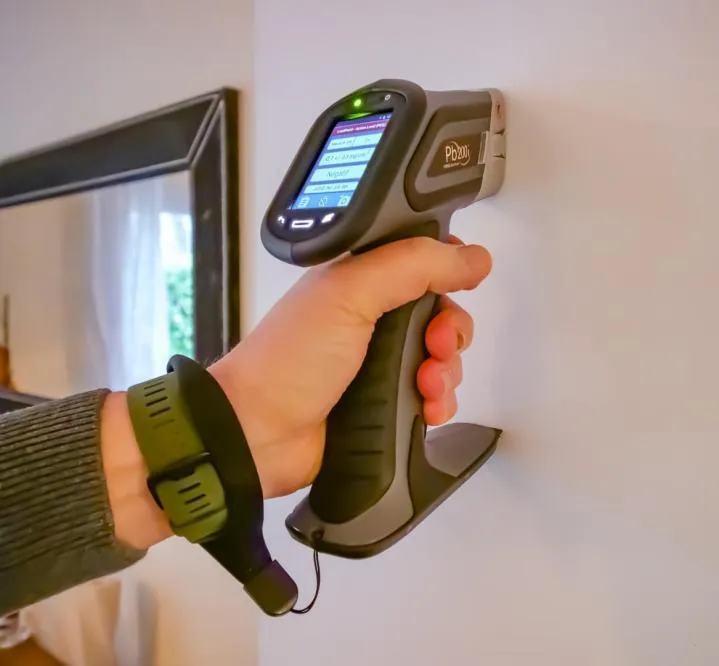
Positive lead survey: the actions to take
Whether you carried out this property survey as part of a sale or a letting, RITMODiag offers you a short guide to review together the steps to take.
Read more →