
Property diagnostics: the importance of choosing an expert
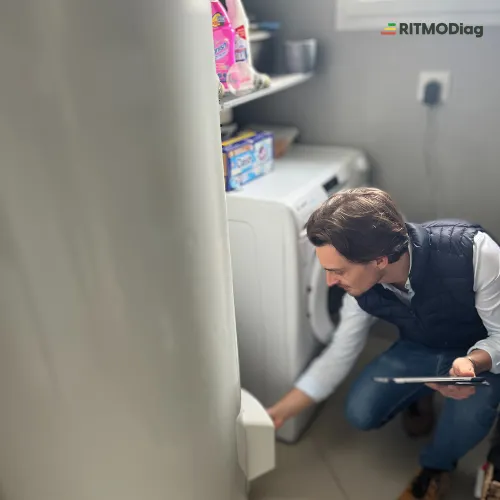
Buying or selling a property is a complex process that requires meticulous attention to many details. Among these details, property diagnostics play an essential role
Introduction
Buying or selling a property is a complex process that requires meticulous attention to many details. Among these details, property diagnostics play an essential role, offering transparency and security for both parties to the transaction. For more information on this subject, you can consult our article EPC 2024. These assessments, carried out by certified experts, can influence the purchase decision, adjust the sale price, or even be decisive in finalising a sale. This is why choosing a qualified and experienced diagnostician is not simply a formality, but a fundamental step that guarantees the validity and reliability of the results obtained.
The different types of property diagnostics
Property diagnostics cover a wide range of checks and are required at different stages of the sale or rental of a property. Each diagnostic has a specific purpose and complies with strict regulatory standards:
- Energy Performance Certificate (EPC): This diagnostic measures the energy performance of the property, assessing its energy consumption and its impact on the environment. The EPC is crucial for informing the potential buyer or tenant about the foreseeable energy consumption and the associated costs.
- Energy audit: More detailed than the EPC, the energy audit offers an in-depth analysis of a building's energy performance. It assesses the possibilities for improving energy efficiency and suggests concrete recommendations to reduce energy consumption and CO2 emissions.
- Lead diagnostic (CREP): Mandatory for all homes built before 1949, this diagnostic aims to detect the presence of lead paint, which can be toxic, especially for young children.
- Asbestos diagnostic: Before any sale of a building constructed before 1997, an asbestos diagnostic must be carried out to check for the presence of materials or products containing asbestos, which are liable to release harmful fibres.
- Diagnostic of indoor gas installations: This diagnostic assesses the condition of gas installations to prevent the risk of leaks, which can lead to serious accidents such as explosions or poisoning.
- Diagnostic of electrical installations: Carried out on installations more than 15 years old, this diagnostic makes it possible to identify anomalies that may compromise the safety of occupants and require upgrading works.
Each of these diagnostics is governed by specific standards and must be carried out by a competent professional such as the RITMO-Diag agents. The precision of these diagnostics not only protects the health and safety of occupants, but also brings the sale or rental into compliance with the legislation in force, thus avoiding disputes.
Why carry out these diagnostics?
Carrying out property diagnostics is much more than a legal obligation; it is a decisive step in ensuring the safety, health and well-being of future occupants. Each diagnostic meets a specific need and provides crucial information to the parties involved in the transaction:
- Safety and compliance : The gas and electricity diagnostics make it possible to detect outdated or non-compliant installations that may present serious risks such as fires or gas leaks. Upgrading following these diagnostics protects occupants and ensures compliance with the regulations in force.
- Public health: The lead diagnostic and the asbestos diagnostic are essential for preventing the risk of exposure to harmful substances. By identifying the presence of lead or asbestos, owners can take the necessary measures to eliminate these potential dangers, thus protecting the health of current and future residents.
- Economic impact : The Energy Performance Certificate (EPC) offers an assessment of the property's energy consumption. A poor score can negatively influence the sale or rental price, whereas a good score can increase its value, thus offering an advantageous economic perspective for both seller and buyer. For more information, you can consult the ADEME website.
The expertise of a specialist in carrying out these diagnostics is essential to guarantee the accuracy of the information provided and to advise owners on possible improvements, thus maximising the value and safety of the property.
The importance of choosing a certified expert
The expertise of a certified diagnostician is essential not only for the accuracy of the diagnostics but also for the legal validity of the documents produced. Here is why it is crucial to choose a qualified expert for these assessments:
- Professional qualification: Property diagnostic experts must hold certifications that attest to their ability to correctly assess properties in accordance with current standards. These certifications are issued by recognised bodies such as Bureau Veritas and ensure that the specialist is up to date with the latest legal and technical requirements.
- Impartiality and precision: A certified expert offers a guarantee of impartiality and precision in carrying out diagnostics. This is essential for the credibility of the results, particularly in the event of disputes or negotiations over the value of the property.
- Legal protection: Engaging a certified diagnostician minimises the risk of the diagnostics being contested by the stakeholders. In the event of error or omission, the professional liability of the expert can be engaged, thus offering an additional layer of legal security for both seller and buyer.

The expertise of a certified specialist is therefore not only a regulatory requirement but also a quality assurance that protects all parties involved in the property transaction.
These sections highlight the fundamental reasons why it is essential to carry out these diagnostics and to opt for a certified expert, underlining the importance of specialised expertise in the property field.
How to choose the right expert for each type of diagnostic?
The choice of an expert to carry out property diagnostics is crucial and must be made carefully to guarantee the accuracy and reliability of the results. Here are some tips for selecting the right specialist:
- Checking qualifications and certifications: Make sure that the diagnostician holds the certifications required for each type of diagnostic. These certifications must be issued by accredited and recognised bodies.
- References and customer reviews: Consult the reviews and references of other customers to assess the reliability and professionalism of the specialist; at RITMO-Diag we are transparent about our customer reviews. A reputable expert with positive reviews is often a mark of quality.
- Professional insurance and guarantees: Check that the diagnostician holds professional liability insurance. This provides protection in the event of an error or omission in the diagnostics carried out.
Case study or testimonials
Including case studies or testimonials from customers who have called on an expert for their property diagnostics can concretely illustrate the importance of choosing a qualified specialist. Here are a few examples:
Case study on the asbestos diagnostic: A RITMO-Diag asbestos expert identified materials containing asbestos in an old building, enabling the owner to carry out safe asbestos removal before the sale. Thanks to this specialised expertise, the health risks to future occupants were eliminated.
Testimonial on the energy diagnostic: An owner testified to how a detailed energy diagnostic made it possible to highlight potential improvements that considerably reduced their energy bills and increased the value of their property.
Conclusion
In conclusion, property diagnostics are an essential component of any property transaction, influencing both the safety, the health, and the economic aspect of buying or selling a property. The expertise of a qualified and certified diagnostician is essential to guarantee the precision and reliability of these assessments. Choosing the right expert not only ensures that you comply with all legal obligations, but also offers you peace of mind by protecting your investment over the long term.
For all stakeholders in the property field, the importance of specialised expertise cannot be underestimated. It is a pillar for ensuring a secure, compliant and beneficial transaction for all.
Related diagnostic
EPC (Energy Performance Certificate)
A property project? Get a quote for your diagnostics.
Related articles

Energy performance: an essential criterion when selling a property
Energy performance is now becoming a decisive criterion for the success of a property transaction. The energy performance certificate, or EPC, is no longer seen as a constraint but as a selling point that will influence the value of your property and
Read more →
The ERP: the survey you're bound to forget before your sale
Do you think you've planned everything for your property sale? The EPC has been approved, the asbestos survey is in the bag, the electrical survey too… And yet, chances are you're still missing an essential survey in your DDT (Technical Survey File).
Read more →
How to enhance the value of your property before selling?
Have you decided to sell your home? In order to attract potential buyers and obtain the best sale price, it is essential to prepare properly for this new adventure!
Read more →