
The criteria to meet for good insulation of your home
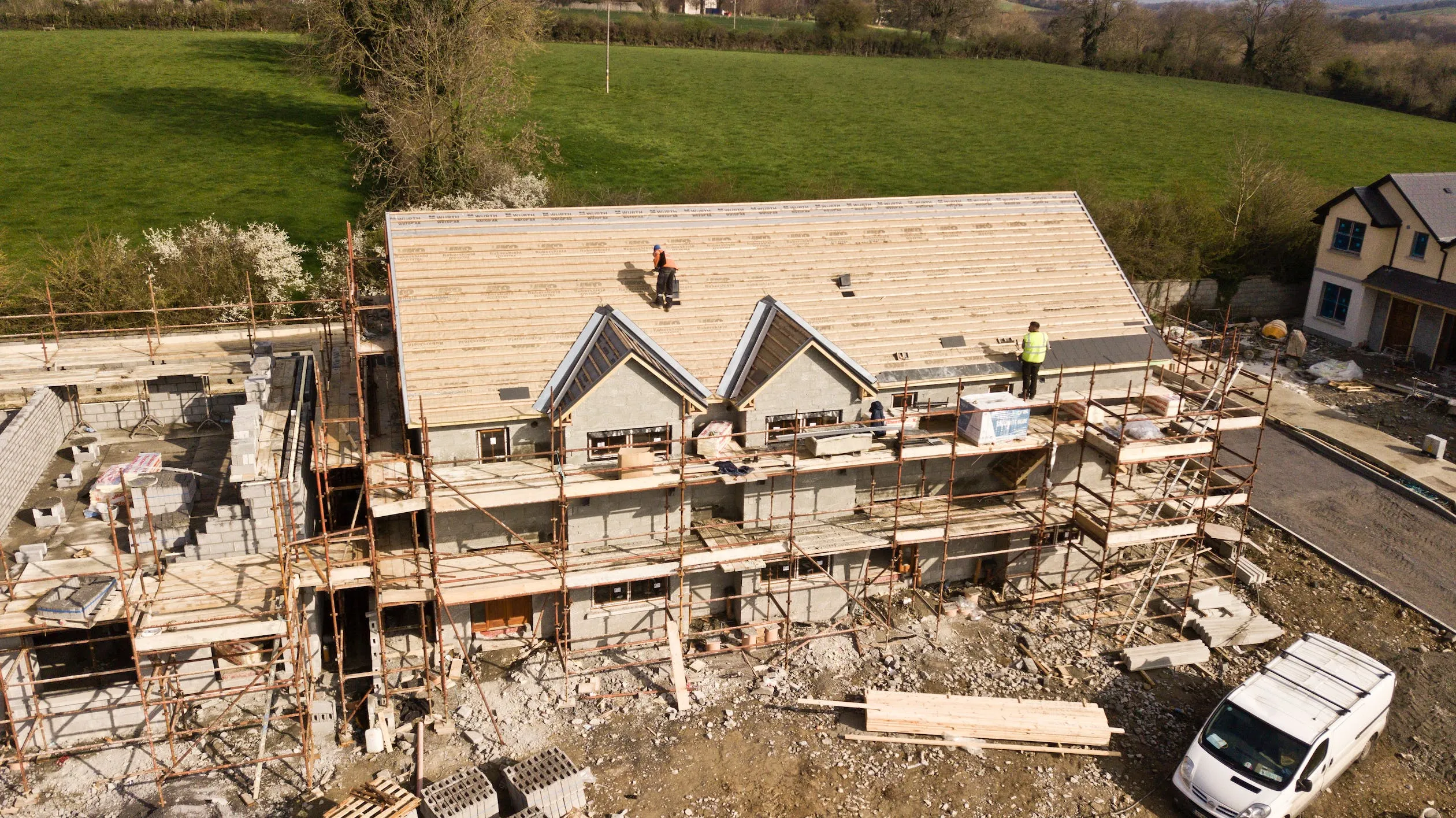
When undertaking thermal renovation works, the main benefit to remember is the comfort provided by good thermal insulation. It adapts to the outside environment and keeps the inside of the home at a lastingly more stable temperature.
The benefits of good thermal insulation for your home
When undertaking thermal renovation works, the main benefit to remember is the comfort provided by good thermal insulation. It adapts to the outside environment and keeps the inside of the home at a lastingly more stable temperature.
Another advantage: good thermal insulation has a major influence on the indoor air quality of your home, as does the impact of a good EPC on indoor air quality.
Quality insulation will not only reduce your energy consumption in winter but also guarantee those living there better indoor air quality.
The benefits of good thermal insulation for your home are therefore manifold:
– The home retains heat more easily in winter and stays cooler in summer,
– Quality thermal insulation helps to better manage energy losses,
– Good insulation provides greater comfort for the home's occupants,
– Considerable energy savings thanks to good thermal insulation,
– Better indoor air quality, which has beneficial effects on the occupants, their health and a balanced quality of life.
The real question to ask yourself now is: why didn't you do it sooner?
What criteria should you consider when insulating your home?
The quality and thermal efficiency of your home are two of the main objectives to achieve in order to improve your building's energy performance.
To improve the efficiency and comfort of your home, you need to be aware of the key criteria to consider when installing insulation:
• Identify and assess the type of insulation suited to your needs. This depends on the level of performance required and on your financial or time constraints.
• Accurately assess the quality and effectiveness of the insulating materials, which can affect your home's EPC. There are many materials that provide good thermal insulation : mineral wool, glass wool, polyurethane foam, flax wool, or even wood fibre.
• It is important to choose the optimal location to fit the insulation. You must also make sure the thermal barrier is well positioned to improve your home's thermal efficiency. Adding an external vapour barrier improves protection and increases thermal efficiency.
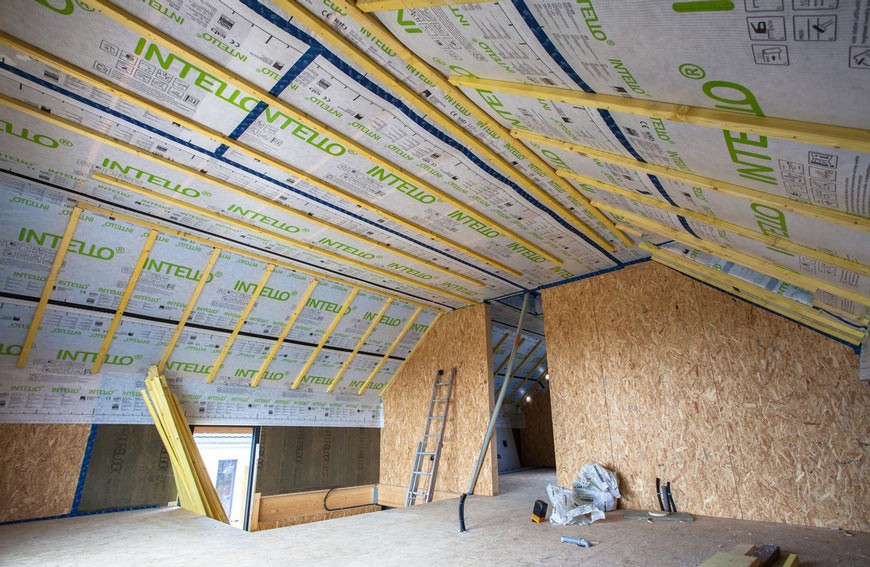
• Thermal insulation works are complex and must be carried out by certified, competent professionals with the experience and technical knowledge needed to achieve quality results.
By identifying and taking these key criteria into account, you can achieve optimal performance and thermal insulation for your home and get the most out of your investment.
The different types of insulation
When embarking on the thermal improvement of a home, it is important to know the different types of insulation available.
Each insulation solution adds value and requires specific materials and tools for optimal installation.
What are the different types of insulation on offer?
– Internal insulation: This method involves insulating using panels fitted into a narrow space inside the walls. It is often supplemented by the installation of false ceilings. As part of a renovation, this technique offers many advantages, particularly regarding heat transfer and improving the EPC. It is also very quick to install.
– External insulation: In this case, the insulation is installed directly on the outside of the building, insulating all the walls. To do this, a cladding system made of foam, hay, wool or wood fibre is applied. This technique certainly delivers very good results, but it is also very expensive and time-consuming, although it has the advantage of not reducing the floor space in your home.
– Loft insulation: Installing insulation in the home's loft is essential if you want to retain heat. It can be carried out either entirely on its own or as a complement to another type of installation. Glass, wood or rock wool is the most commonly chosen material for this insulation method.
– Foundation and floor insulation: In order to preserve the thermal inertia of the ground, certain positive measures can be put in place, notably using thermal binders and absorbent materials. Installing pipes that capture heat and channel it to the home's floor is also worthwhile for improving the EPC.
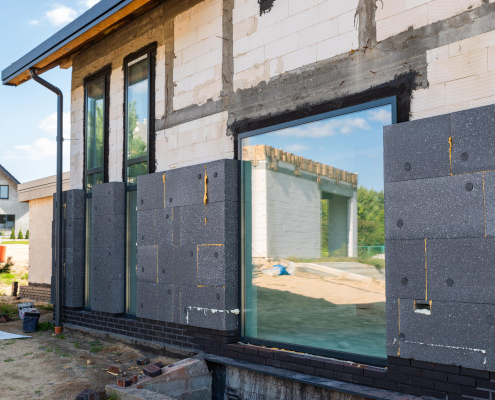
Finally, it is also possible to improve your home's thermal insulation by replacing old windows and doors with newer models, thereby combining thermal and acoustic insulation thanks to the latest technological advances.
In short, several options are available to homeowners wishing to improve their EPC ratings, each with different advantages and disadvantages.
How to test your home's insulation performance?
Knowing your home's thermal efficiency is essential to improve indoor air quality and avoid consuming too much energy, thereby reducing its impact on the environment.
For this reason, it is important to know the tools available to check its thermal efficiency.
In France, the Energy Performance Certificate (EPC) is the ideal tool for monitoring the condition of your home and providing you with recommendations to improve the insulation of your building and its technical systems.
When carrying out your EPC, RITMO-Diag's assessors analyse every opportunity to optimise your home's energy efficiency. It is a chance to have a qualified and experienced professional find solutions suited to your needs and budget.
Many other thermal audit solutions are also within your reach, such as:
- On-site thermal studies,
- Energy audits based on the analysis of bills and consumption profiles,
- Digital thermal simulations,
- Thermographic measurements,
- Measurements from installed sensors, and so on.
Finally, anyone can also carry out a few simple tests at home to check the condition of their insulation; this method can give you a general idea of your home's thermal efficiency.
For example, you can see whether certain doors and windows are poorly insulated or whether there are air leaks around the door and window frames.
Have you considered RITMO-Diag for your EPC?
We support our clients in analysing the energy performance of their homes. Feel free to estimate the price of your EPC directly on our website or to contact us with your requirements.
Related diagnostic
EPC (Energy Performance Certificate)
A property project? Get a quote for your diagnostics.
Related articles
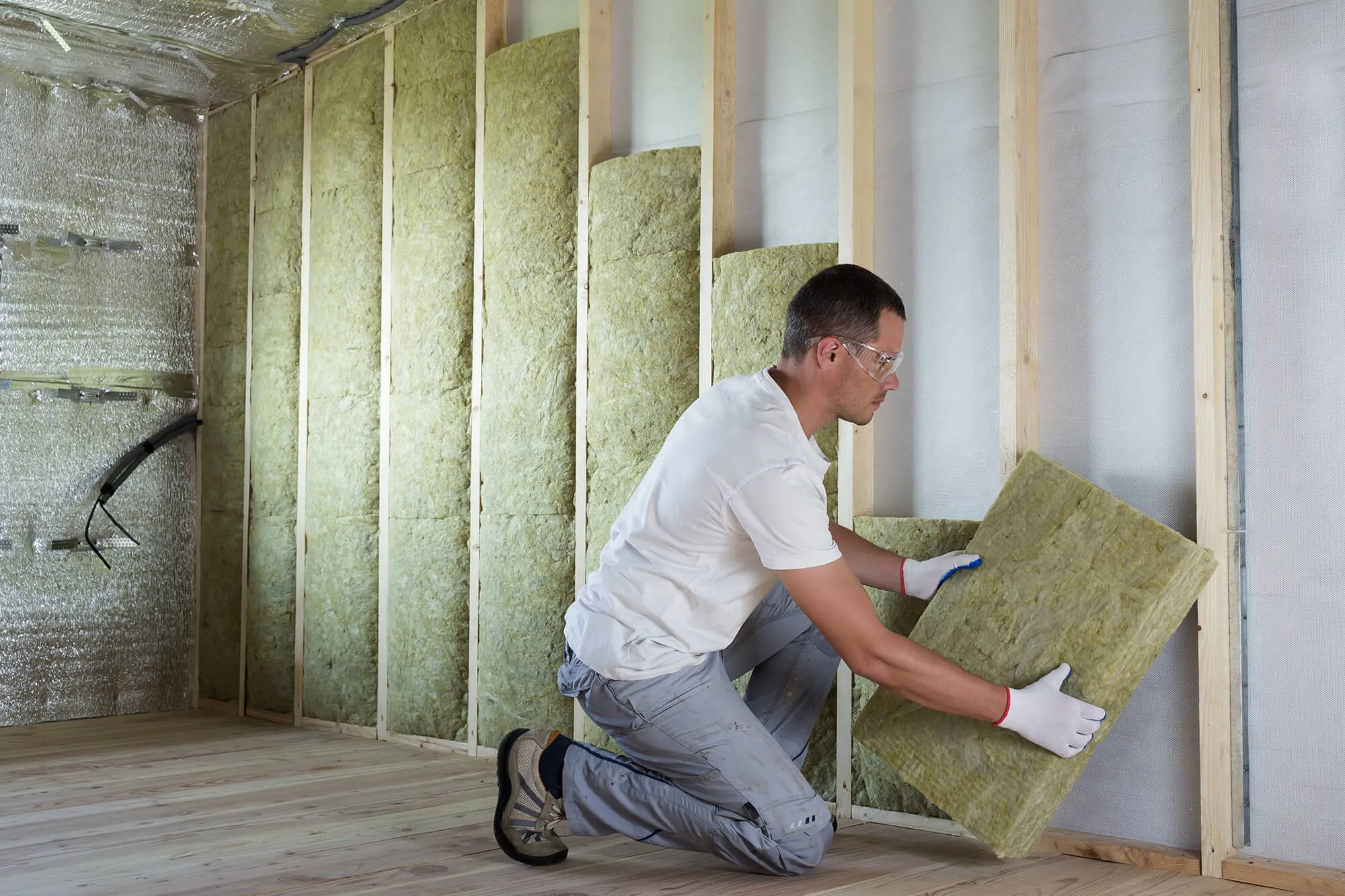
Insulation: the cornerstone of your energy renovation
In the face of rising energy prices, as well as the tightening of regulations concerning the energy transition, insulation is becoming the centrepiece of every energy renovation project.
Read more →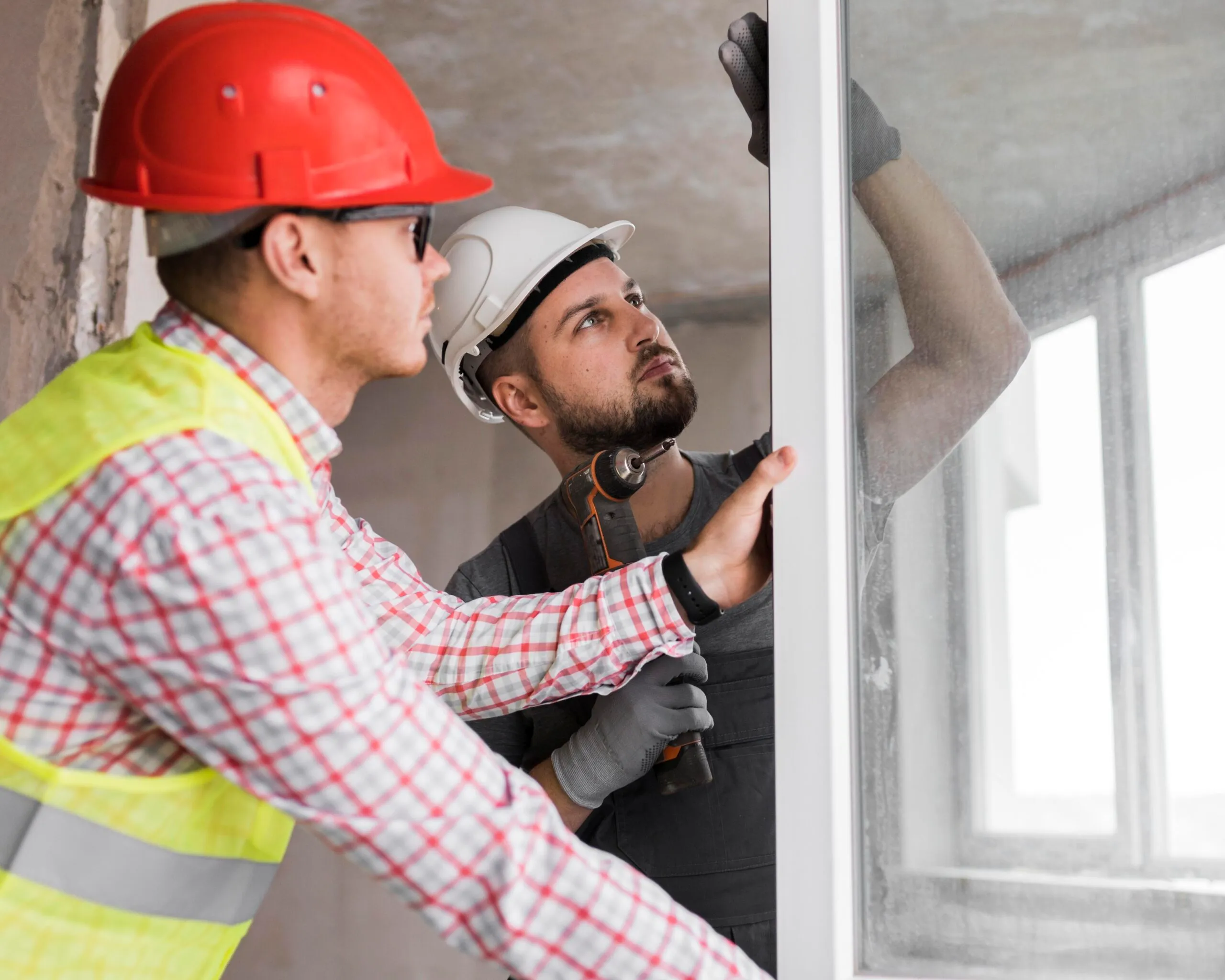
Changing your windows to improve your EPC rating: a miracle solution?
Among the works most frequently considered to improve your EPC rating, replacing windows is an appealing solution. But, between received ideas and technical reality, is changing the joinery really the key to improving your home’s energy rating?
Read more →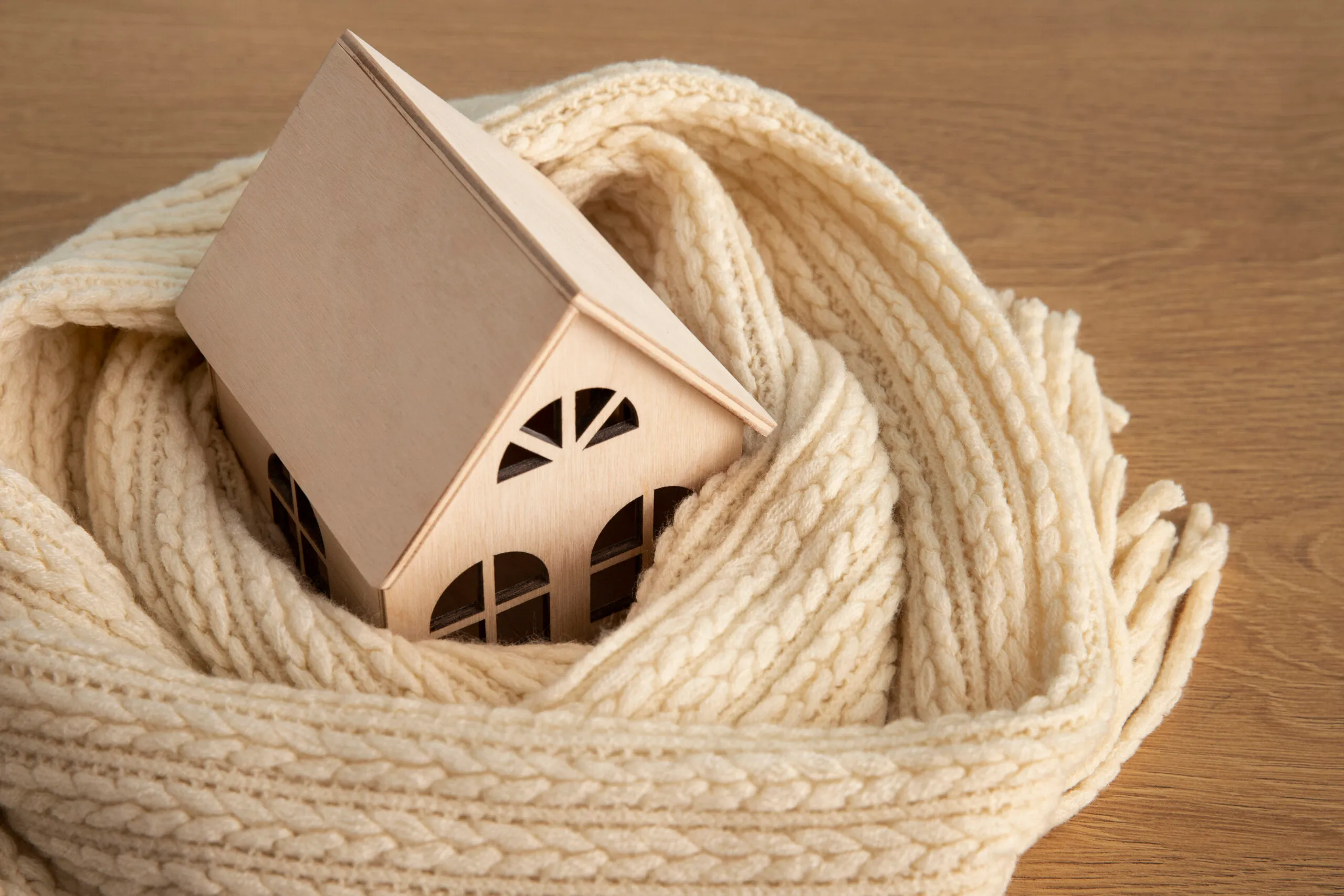
Tackling energy sieves: the importance of carrying out an EPC
The Energy Performance Certificate is an essential tool for accurately assessing the energy consumption of a property (home or building). But what exactly do we mean today by a home described as an energy sieve?
Read more →